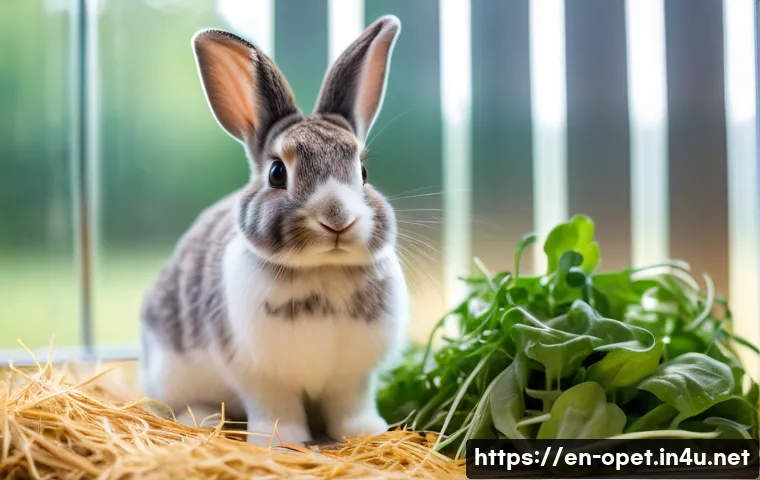
Rabbits are incredibly delicate creatures, and even subtle signs of illness can quickly turn serious if left untreated. Understanding common rabbit diseases and their treatments is crucial for any bunny owner who wants to ensure their pet’s health and happiness.

From respiratory infections to digestive issues, early detection and proper care can make all the difference. Having firsthand experience with my own rabbits, I’ve learned how important timely intervention is in preventing complications.
If you’re looking to become more confident in managing your rabbit’s health, this guide will walk you through essential treatment methods. Let’s dive in and get clear on how to keep your furry friend thriving!
Recognizing and Managing Respiratory Issues in Rabbits
Common Symptoms of Respiratory Distress
Rabbits rarely show obvious signs of illness until a condition worsens, so spotting respiratory problems early can be tricky but vital. Watch out for sneezing, nasal discharge, labored breathing, and a decrease in appetite.
I remember one of my bunnies suddenly stopped eating and had a runny nose, which prompted an immediate vet visit. The vet explained that rabbits can develop bacterial infections like Pasteurella, which if left untreated, lead to pneumonia.
Early signs might seem subtle, but any unusual breathing patterns or nasal noises should never be ignored.
Treatment Approaches and Medication
When it comes to treating respiratory infections, antibiotics prescribed by a vet are usually the first line of defense. In my experience, injectable antibiotics tend to work faster and more effectively than oral ones, especially in severe cases.
Supportive care like keeping the rabbit warm and hydrated also plays a crucial role in recovery. Sometimes, nebulization therapy is recommended to help clear the airways—this involves using a saline mist, which I found surprisingly easy to administer at home after some practice.
Always avoid self-medicating, as incorrect dosages can worsen the condition.
Preventive Measures to Keep Airways Clear
Prevention is often more effective than treatment for respiratory diseases. Ensuring your rabbit’s living environment is clean, dust-free, and well-ventilated can significantly reduce the risk of infections.
I switched to dust-free hay and sanitized my bunny’s enclosure weekly, which helped my rabbits stay healthy through cold seasons. Additionally, minimizing stress by maintaining a consistent routine and avoiding overcrowding is essential since stress can compromise their immune system.
Addressing Digestive Health Challenges
Identifying Gastrointestinal Stasis Early
Gastrointestinal stasis (GI stasis) is a common and potentially fatal condition in rabbits, characterized by a slowdown or stop in digestive motility.
My firsthand experience with GI stasis taught me how urgent it is to act quickly. Signs include a sudden drop in fecal output, lethargy, and a loss of appetite.
Rabbits rely heavily on constant gut movement to stay healthy, so any disruption can lead to toxin buildup and severe illness.
Effective Treatment Strategies for GI Stasis
The treatment for GI stasis often involves fluid therapy, pain management, and encouraging the rabbit to eat fibrous foods. I recall how syringe feeding critical care formula helped my rabbit regain strength during a stasis episode.
Administering motility drugs under veterinary guidance also supports gut movement. Keeping your rabbit hydrated is crucial—subcutaneous fluids can be a lifesaver if your pet refuses to drink.
The key is rapid intervention combined with consistent monitoring.
Diet and Lifestyle Adjustments for Prevention
Preventing GI stasis largely depends on diet and lifestyle. A high-fiber diet rich in fresh hay encourages regular digestion, while sudden dietary changes should be avoided.
My rabbits thrive on a routine of unlimited timothy hay, fresh leafy greens, and limited pellets. Regular exercise also stimulates gut motility, so creating a safe play area for your bunny to hop and explore can be surprisingly beneficial.
Dealing with Skin and Fur Problems
Spotting Parasites and Skin Conditions
Rabbits’ dense fur can hide skin issues like mites, fleas, or fungal infections, which often go unnoticed until itching or hair loss becomes severe. I once discovered mites on my rabbit after noticing constant scratching and dandruff-like flakes.
Skin problems often manifest as redness, scabs, or crusty patches. Regular grooming and close observation are crucial since untreated skin diseases can lead to secondary infections.
Treatment Options and Home Care
Veterinary-prescribed topical or oral medications are typically necessary to eliminate parasites. I found that medicated baths are sometimes recommended but should be done cautiously to avoid stress.
Keeping the rabbit’s habitat clean and regularly washing bedding helps prevent reinfestation. Natural remedies like diluted apple cider vinegar sprays can soothe mild irritations but should never replace professional treatment.
Maintaining Healthy Fur and Skin
Routine grooming not only helps detect problems early but also promotes healthy skin and fur. Brushing your rabbit daily reduces loose fur and prevents matting, which can trap moisture and bacteria.
I use a soft brush and gently comb through my rabbits’ coats, turning it into a bonding time that they actually enjoy. Balanced nutrition with adequate vitamins and minerals also supports skin health and fur quality.
Understanding and Treating Dental Issues
Signs Your Rabbit May Have Dental Problems
Dental disease is a silent but serious issue in rabbits due to their continuously growing teeth. Common signs include drooling, difficulty eating, weight loss, and facial swelling.
I noticed my rabbit dropping food frequently and developed a habit of chewing on cage bars, which led me to suspect dental pain. Early detection through regular vet checkups is crucial since untreated dental issues can cause abscesses and chronic pain.
Dental Treatment and Veterinary Care
Treatment often involves filing down overgrown teeth or extracting problematic ones under anesthesia. My vet used a dental burr to carefully trim my rabbit’s teeth, which provided immediate relief.

Follow-up care includes pain management and dietary adjustments to softer foods if needed. Regular dental exams every six months are essential to prevent recurrence.
Dietary Tips to Promote Dental Health
A diet high in fibrous hay naturally wears down teeth, preventing overgrowth. I always ensure my rabbits have unlimited access to quality hay and fresh veggies to promote chewing.
Avoiding sugary treats and pellets with excessive starch also helps maintain dental health. Providing safe chew toys designed for rabbits encourages natural grinding and keeps their teeth healthy.
Recognizing and Responding to Urinary Tract Issues
Common Symptoms and Causes
Urinary tract problems in rabbits can range from infections to bladder stones. Symptoms include frequent urination, blood in urine, and straining to urinate.
One of my rabbits had a urinary tract infection that initially manifested as discomfort and excessive licking of the genital area. Causes often include poor hydration, diet high in calcium, or lack of exercise.
Medical Treatment and Supportive Care
Antibiotics prescribed by a vet are necessary for infections, while stones might require surgical removal. In my case, encouraging water intake with fresh leafy greens and occasional wet vegetables helped flush out the system.
Keeping the litter box clean and monitoring urination habits allowed me to catch issues early. Pain relief medications also help rabbits stay comfortable during treatment.
Lifestyle Changes to Prevent Recurrence
To reduce the risk of urinary problems, I switched to feeding my rabbits a balanced diet with controlled calcium levels and increased water availability.
Encouraging frequent exercise also promotes overall urinary tract health. Regular vet checkups and urine tests are effective preventive measures to catch any abnormalities before they escalate.
Essential Vaccinations and Routine Vet Care
Vaccines That Protect Rabbits
Vaccinations vary by region but often include protection against Rabbit Hemorrhagic Disease (RHD) and myxomatosis. I always make sure my rabbits are up-to-date on these vaccines, especially since outbreaks can be sudden and fatal.
These vaccines are safe and significantly reduce the risk of severe illness, making them a critical part of responsible rabbit care.
Scheduling Regular Health Checks
Even if your rabbit seems healthy, routine veterinary exams help catch subtle issues early. I schedule biannual checkups to assess dental health, weight, and general wellbeing.
These visits also give me a chance to ask questions and update preventative care plans. Early detection through vet visits can prevent costly and stressful emergencies.
Building a Relationship with a Rabbit-Savvy Vet
Finding a vet experienced with rabbits is invaluable. My vet’s expertise made a huge difference in diagnosing and treating complex issues efficiently.
Developing trust and open communication with your vet ensures your rabbit gets tailored care. Don’t hesitate to seek second opinions if you feel uncertain—your bunny’s health is worth it.
| Condition | Common Symptoms | Treatment | Prevention Tips |
|---|---|---|---|
| Respiratory Infections | Sneezing, nasal discharge, labored breathing | Antibiotics, supportive care, nebulization | Clean environment, dust-free hay, stress reduction |
| Gastrointestinal Stasis | Loss of appetite, reduced feces, lethargy | Fluids, pain relief, syringe feeding, motility drugs | High-fiber diet, regular exercise, gradual diet changes |
| Dental Disease | Drooling, difficulty eating, facial swelling | Dental trimming/extraction, pain management | Unlimited hay, chew toys, regular dental exams |
| Skin Parasites | Itching, hair loss, scabs | Topical/oral meds, habitat cleaning | Regular grooming, clean bedding |
| Urinary Tract Issues | Frequent urination, blood in urine, straining | Antibiotics, surgery for stones, pain relief | Hydration, balanced diet, exercise |
Conclusion
Taking care of a rabbit’s health requires attentiveness and timely action. Recognizing early signs of illness, providing proper treatment, and maintaining a clean, stress-free environment are key to keeping your bunny happy and healthy. With regular vet visits and good daily care, many common health issues can be prevented or managed effectively.
Useful Information to Keep in Mind
1. Always observe your rabbit’s behavior closely; subtle changes can indicate serious health problems.
2. A high-fiber diet and plenty of fresh water are essential for digestive and dental health.
3. Regular grooming helps detect skin issues early and strengthens your bond with your pet.
4. Establish a relationship with a veterinarian experienced in rabbit care for expert guidance.
5. Preventive care, including vaccinations and stress reduction, greatly lowers the risk of disease.
Key Takeaways
Understanding common health concerns in rabbits—such as respiratory infections, gastrointestinal stasis, dental disease, skin parasites, and urinary tract issues—allows owners to respond quickly and effectively. Prevention through proper diet, hygiene, and environment, combined with prompt veterinary intervention, plays a vital role in your rabbit’s wellbeing. Staying informed and proactive ensures your furry friend enjoys a long, comfortable life.
Frequently Asked Questions (FAQ) 📖
Q: What are the most common signs that my rabbit might be sick?
A: Rabbits are masters at hiding illness, but some subtle signs you should watch for include changes in appetite or water intake, lethargy, sneezing or nasal discharge, unusual droppings, and changes in behavior such as hiding or aggression.
If your bunny suddenly stops eating or drinking, or you notice labored breathing or a dull coat, these are red flags that require prompt veterinary attention.
From my experience, catching these signs early often means a quicker recovery and less stress for both you and your rabbit.
Q: How should I treat respiratory infections in rabbits?
A: Respiratory infections in rabbits can escalate quickly, so early treatment is key. Typically, a vet will prescribe antibiotics tailored for rabbits, and it’s crucial to follow the full course even if symptoms improve.
Alongside medication, keeping your rabbit in a warm, dust-free environment helps reduce irritation. I’ve found that ensuring good ventilation without drafts and providing plenty of fresh water supports their recovery.
Never attempt to treat respiratory issues at home without professional guidance, as improper care can lead to serious complications.
Q: What can I do to prevent digestive problems in my rabbit?
A: Digestive health is central to a rabbit’s well-being. Feeding a high-fiber diet rich in hay, fresh leafy greens, and limited pellets is essential. Sudden changes in diet should be avoided to prevent upset stomachs.
Also, make sure your rabbit stays hydrated and gets regular exercise to promote healthy digestion. From personal experience, monitoring your rabbit’s droppings daily helps catch any digestive trouble early.
If you notice diarrhea, constipation, or a drop in appetite, contact your vet immediately since digestive issues can deteriorate rapidly in rabbits.