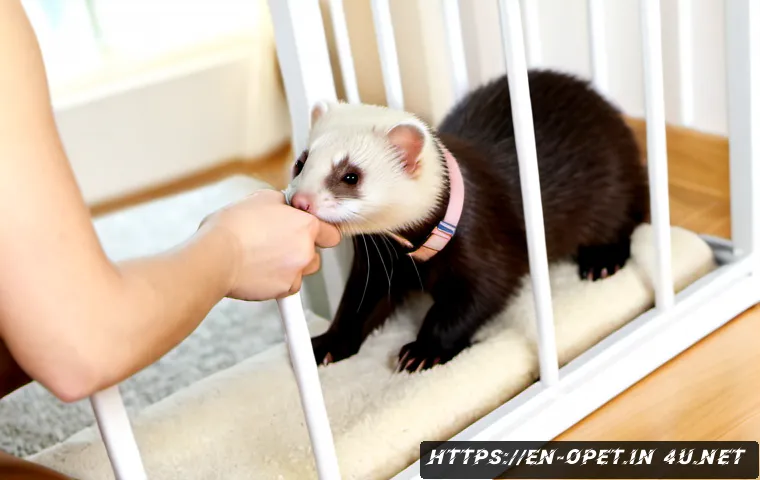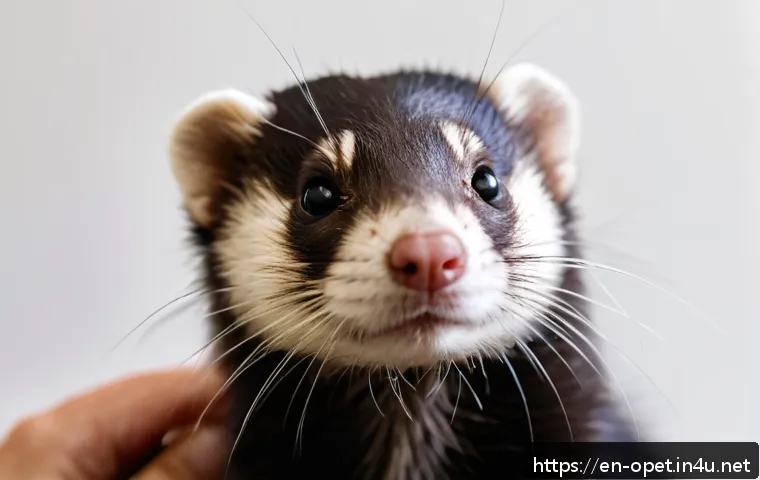
With pet ownership on the rise, more people are discovering the joys—and responsibilities—of caring for ferrets. These curious and playful companions thrive when their grooming needs are properly met, yet many new owners find this aspect challenging.
From shedding seasons to skin health, mastering ferret grooming is essential for keeping your pet happy and vibrant. If you’ve ever wondered how to maintain your ferret’s coat or prevent common grooming issues, you’re in the right place.
Let’s dive into practical tips that will make grooming a breeze and strengthen the bond with your furry friend.
Understanding Your Ferret’s Unique Coat and Skin
What Makes Ferret Fur Special?
Ferrets have a distinct double coat that serves as insulation and protection. The undercoat is soft and dense, while the guard hairs are longer and coarser.
This combination helps ferrets regulate their body temperature, which is why their fur texture changes with the seasons. You might notice their coat becoming thicker during colder months and shedding as the weather warms up.
Understanding this natural cycle is key to knowing when your ferret needs extra grooming attention. Unlike dogs or cats, ferrets don’t require frequent baths since over-bathing can dry out their skin and strip essential oils from their fur, causing irritation.
Recognizing Healthy Skin and Coat Conditions
A healthy ferret’s coat should be shiny, smooth, and free of bald patches or flakes. Dull fur or excessive dandruff can signal underlying issues such as poor diet, parasites, or stress.
When grooming, it’s important to check for signs of redness, bumps, or scabs on the skin. These can indicate infections or allergies that need veterinary care.
I’ve learned that gently running your fingers through your ferret’s fur regularly not only helps spot problems early but also strengthens your bond. Plus, it’s a great way to keep your little buddy calm and cooperative during grooming sessions.
Seasonal Shedding: What to Expect and How to Help
Ferrets go through two main shedding phases each year, typically in spring and fall. During these times, they lose a significant amount of their undercoat, which can lead to more fur around your home and potential matting if not addressed.
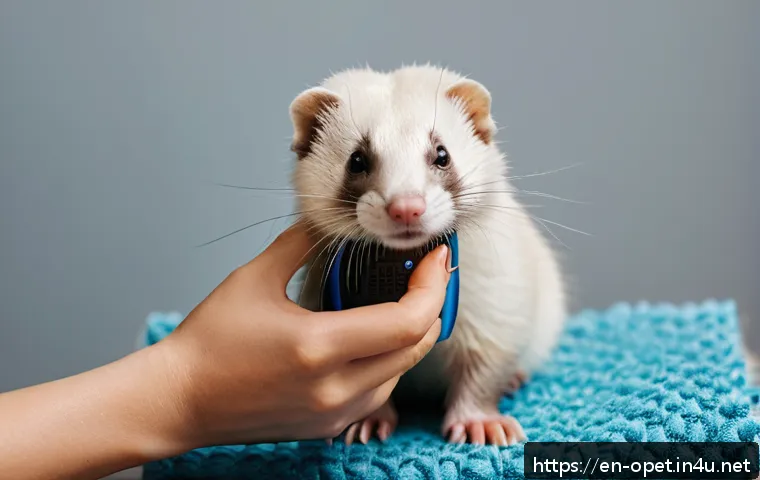
Using a soft-bristle brush or a grooming mitt designed for small pets can help remove loose fur without hurting their sensitive skin. I personally found that brushing daily during shedding seasons made a huge difference in reducing hairballs and keeping my ferret comfortable.
Just be gentle and patient; some ferrets love the attention, while others may need time to get used to the grooming routine.
Essential Tools for Effective Ferret Grooming
Choosing the Right Brush and Comb
Not all grooming tools are created equal when it comes to ferrets. A soft-bristle brush is ideal for everyday maintenance, helping to remove dirt and loose hairs without damaging their delicate coat.
For tangles or tougher fur during shedding, a fine-toothed comb can be used carefully to avoid pulling. I’ve experimented with different brushes and found that a rubber grooming mitt works wonders because it massages the skin while loosening dead hairs, and my ferret actually enjoys it!
Avoid wire brushes, as they can be too harsh and cause discomfort.
Using Nail Clippers and Ear Cleaners Safely
Trimming your ferret’s nails is crucial to prevent scratching injuries and discomfort. Small pet nail clippers with a safety guard are best to avoid cutting too close to the quick.
If you’re nervous, ask your vet or a professional groomer to show you the proper technique—once I learned the right angle and pressure, it became a quick and stress-free task.
For ear cleaning, use a gentle, vet-approved solution and a soft cotton ball or pad. Never insert anything deep into the ear canal. Regular checks help prevent wax buildup and infections, which can be painful and lead to more serious health issues.
Bath Time Tips and Tricks
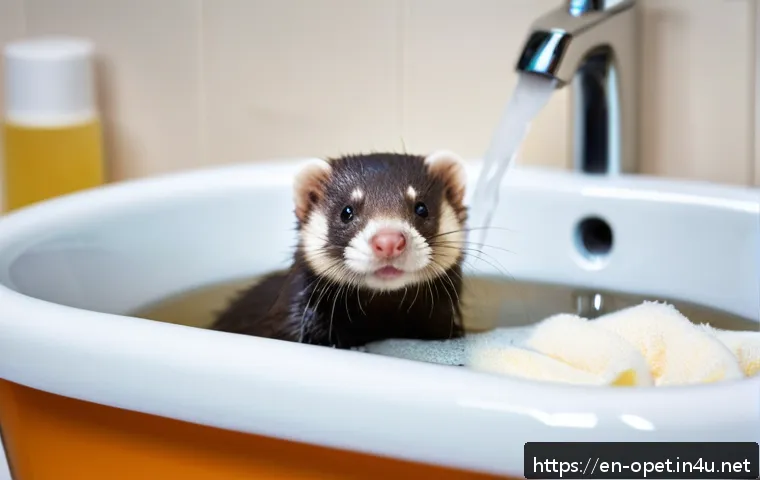
Bathing a ferret is not an everyday necessity but sometimes needed if they get particularly dirty or smelly. Use a mild shampoo formulated specifically for ferrets or small animals, as their skin is sensitive to harsh chemicals.
Before bathing, brush out loose fur to minimize shedding in the water. Make sure the water temperature is lukewarm—not too hot or cold—and keep the session short to reduce stress.
After the bath, towel dry thoroughly and keep your ferret warm until fully dry to avoid chills. I always reward mine with a favorite treat afterward, turning bath time into a positive experience.
Common Grooming Challenges and How to Overcome Them
Dealing with Shedding and Furballs
Shedding can be a messy ordeal, especially during peak seasons when ferrets lose a lot of their undercoat. Excess fur can lead to furballs if ingested during self-grooming, causing digestive discomfort.
Regular brushing is your best defense, but adding a bit of canned pumpkin or fiber to their diet can also help ease furball passage. I’ve noticed that consistent grooming routines prevent most problems, and keeping their environment clean reduces the amount of loose fur lying around.
Patience is key—some ferrets resist brushing at first, but gentle persistence pays off.
Preventing Skin Irritations and Allergies
Skin issues like redness, itching, or flaky patches can arise from allergies, parasites, or poor grooming habits. If you spot any suspicious signs, it’s best to consult a veterinarian promptly.
Using hypoallergenic bedding and avoiding harsh soaps or detergents in their living space also helps reduce irritation. In my experience, switching to a grain-free diet improved my ferret’s skin condition noticeably.
Always keep grooming tools clean and disinfected to prevent bacterial or fungal infections, which can exacerbate skin problems.
Managing Stress During Grooming Sessions
Ferrets are sensitive little creatures, and grooming can sometimes be stressful if they’re not accustomed to it. Creating a calm environment with soft lighting and quiet surroundings helps.
I found talking softly and offering small treats during grooming sessions keeps my ferret relaxed and cooperative. Short, frequent grooming sessions work better than long, infrequent ones.
Additionally, incorporating playtime before grooming can expend some of their energy, making them more willing to sit still. Remember, your patience and positive reinforcement will encourage your ferret to enjoy grooming over time.
Diet and Its Impact on Coat Health
Nutrition’s Role in Maintaining a Lustrous Coat
What your ferret eats directly influences the quality and appearance of their fur. High-quality protein and fat are essential for a healthy, shiny coat, as ferrets are obligate carnivores with specific dietary needs.
Supplements like omega-3 fatty acids can also promote skin hydration and reduce inflammation. I switched to a premium ferret-specific diet after noticing dull fur and dry skin in my pet, and the improvement was remarkable within weeks.
Avoid feeding sugary or carbohydrate-heavy treats, as these can disrupt digestion and coat condition.
Hydration and Its Effects on Skin
Proper hydration is often overlooked but vital for skin elasticity and preventing dryness. Ferrets may not drink as much water as other pets, so providing fresh water at all times is crucial.
Some ferrets prefer drinking from a water bottle, while others like a shallow bowl. Experiment to see which your ferret prefers to ensure they stay well hydrated.
I also noticed that wet food can supplement water intake, especially for ferrets reluctant to drink enough plain water.
Foods to Avoid for Optimal Coat Maintenance
Certain human foods and treats can harm your ferret’s coat and overall health. Dairy, sugary snacks, and grains are particularly problematic as ferrets lack the enzymes to digest them properly.
These foods can cause skin problems, gastrointestinal upset, and even obesity. Stick to ferret-formulated diets and occasional raw meat treats to keep their coat glossy and skin healthy.
I’ve learned that consistency in diet is just as important as the quality, so avoid frequent switching of food brands to prevent digestive disturbances that affect fur condition.
Recognizing When to Seek Professional Help
Identifying Signs of Serious Skin or Coat Problems
Sometimes, despite your best efforts, your ferret may develop issues that need expert attention. Persistent itching, hair loss, swelling, or unusual odors are red flags.
Parasite infestations such as mites or fungal infections require prompt veterinary diagnosis and treatment. I once overlooked a minor bald patch that turned out to be a fungal infection, and getting professional care early saved my ferret from prolonged discomfort.
Never hesitate to schedule a vet visit if you notice anything unusual during grooming.
How Groomers Can Assist with Ferret Care
Professional groomers experienced with ferrets can provide services like nail trimming, ear cleaning, and deep coat maintenance. If you’re uncomfortable with any aspect of grooming or your ferret is particularly squirmy, a groomer can make the process safer and less stressful.
I recommend finding someone who specializes in exotic pets or small mammals, as they understand ferret-specific needs. Regular professional grooming sessions, combined with your home care, create a balanced routine that keeps your ferret looking and feeling great.
Preventative Health Checks During Grooming
Grooming time is also an excellent opportunity to perform health checks on your ferret. Look for lumps, bumps, or changes in skin texture that could indicate tumors or infections.
Check the eyes for discharge or cloudiness and the ears for wax buildup or foul smell. I keep a checklist handy during grooming to ensure I don’t miss any important signs.
Early detection of health issues through routine grooming can save your ferret from more serious problems down the line.
Summary of Key Ferret Grooming Practices
| Aspect | Recommended Practice | Frequency | Tools Needed |
|---|---|---|---|
| Brushing | Use soft-bristle brush or grooming mitt to remove loose fur | Daily during shedding, 2-3 times weekly otherwise | Soft-bristle brush, grooming mitt |
| Nail Trimming | Trim nails carefully avoiding quick | Every 2-3 weeks | Small pet nail clippers with safety guard |
| Bathing | Mild ferret shampoo, short sessions | As needed, not more than once a month | Ferret shampoo, lukewarm water |
| Ear Cleaning | Gentle cleaning with vet-approved solution | Monthly or when dirty | Ear cleaner, cotton balls |
| Health Checks | Inspect skin, ears, eyes, and coat for abnormalities | During each grooming session | Hands, keen observation |
In Conclusion
Caring for your ferret’s coat and skin requires understanding their unique needs and natural cycles. With the right grooming techniques, tools, and nutrition, you can keep your ferret healthy, comfortable, and looking their best. Regular attention not only prevents common problems but also deepens the bond between you and your furry friend. Remember, patience and consistency are key to successful ferret care.
Helpful Tips to Remember
1. Always use gentle grooming tools like soft-bristle brushes or grooming mitts to protect your ferret’s delicate coat.
2. Maintain a consistent grooming schedule, especially during seasonal shedding, to reduce fur buildup and prevent matting.
3. Monitor your ferret’s skin regularly for signs of irritation, parasites, or infections and seek veterinary advice if needed.
4. Provide a balanced, high-protein diet and ensure adequate hydration to support healthy skin and a shiny coat.
5. Make grooming sessions calm and positive by using treats, soft voices, and short, frequent routines to reduce stress.
Key Points to Keep in Mind
Understanding your ferret’s grooming needs is essential for their overall well-being. Focus on gentle care practices that respect their sensitive skin and natural shedding cycles. Prioritize nutrition and hydration, as these greatly influence coat quality. Be vigilant about early signs of skin or health issues and don’t hesitate to consult professionals when necessary. Lastly, fostering a stress-free grooming environment helps your ferret feel safe and cooperative, making routine care easier and more enjoyable for both of you.
Frequently Asked Questions (FAQ) 📖
Q: uestions about Ferret GroomingQ1: How often should I groom my ferret to keep its coat healthy?
A: Ferrets generally require grooming once or twice a week to maintain a healthy coat. Regular brushing helps remove loose fur, especially during shedding seasons, which reduces hairballs and keeps their skin healthy.
However, be gentle and use a soft-bristled brush designed for small animals to avoid irritating their delicate skin. Over time, you’ll notice your ferret’s coat becoming shinier and softer, which is always a good sign of proper grooming.
Q: What are the signs of skin problems in ferrets, and how can I prevent them?
A: Watch out for excessive scratching, bald patches, redness, or flaky skin—these can indicate issues like dry skin, allergies, or even mites. To prevent skin problems, maintain a balanced diet rich in omega fatty acids, keep their living area clean, and avoid over-bathing, as too much washing can strip natural oils from their skin.
If you notice persistent skin issues, it’s best to consult a vet experienced with ferrets to get the right treatment.
Q: Can I bathe my ferret regularly, and what’s the best way to do it?
A: Bathing a ferret too often is not recommended since it can dry out their skin and cause irritation. Typically, a bath every month or so is enough unless they get particularly dirty.
When you do bathe your ferret, use lukewarm water and a shampoo formulated specifically for ferrets or gentle pet shampoos. Make sure to rinse thoroughly and dry them completely with a soft towel to avoid chills.
Personally, I found that keeping bath time calm and short makes the experience less stressful for both of us.