Maintaining the right humidity levels is crucial for the health and well-being of reptiles. These cold-blooded creatures rely on their environment to regulate moisture, which affects their skin shedding, hydration, and overall comfort.
Without proper humidity control, reptiles can face serious health issues that are often hard to detect early. Luckily, modern humidity control devices make it easier than ever to create the perfect habitat.
Whether you’re a seasoned herpetologist or a beginner reptile owner, understanding these tools can make a huge difference. Let’s dive deeper and uncover how to keep your scaly friends thriving with the right equipment!
Choosing the Ideal Humidity Monitoring Tools
Analog vs. Digital Hygrometers: Which One Works Best?
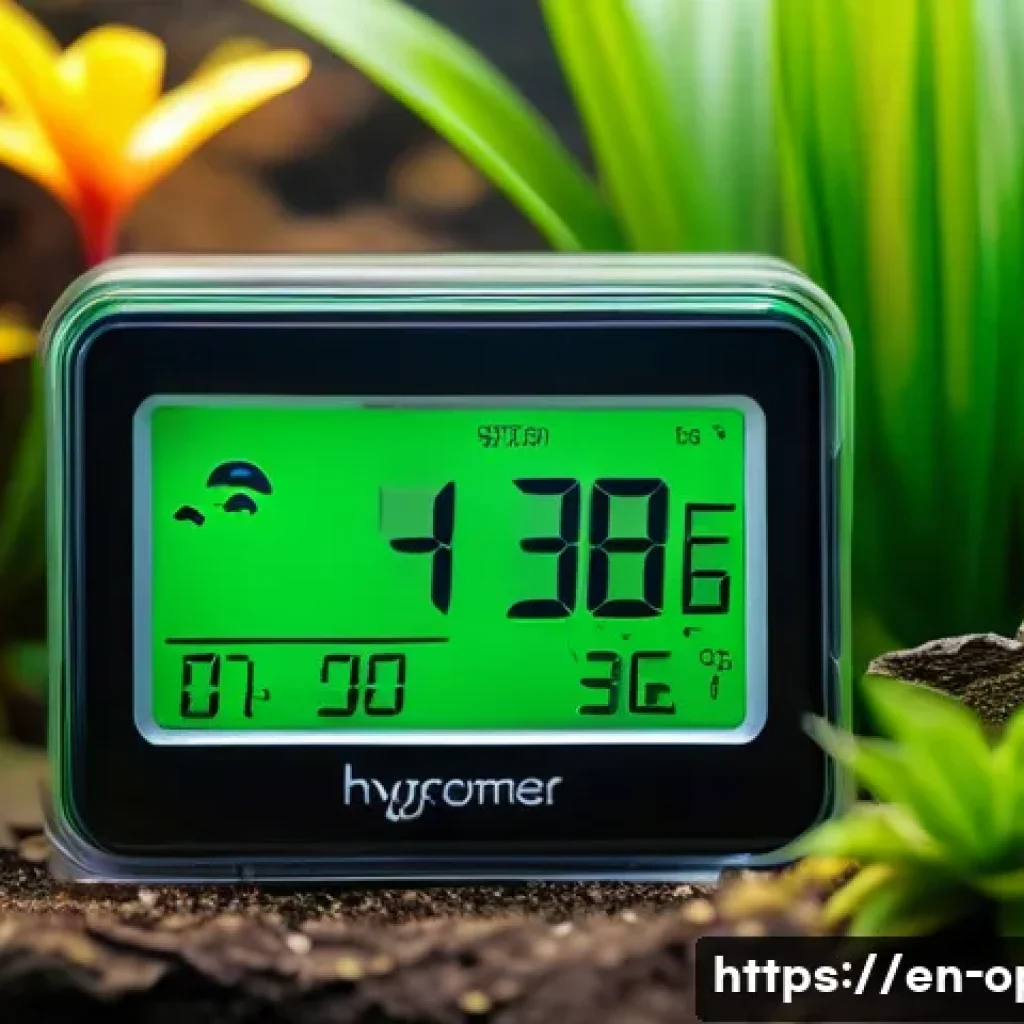
When it comes to tracking humidity levels in a reptile enclosure, the debate between analog and digital hygrometers is quite common. Analog models offer a classic, straightforward design and don’t require batteries, which some owners find reliable.
However, in my experience, they tend to lose accuracy over time and can be a bit tricky to calibrate properly. On the other hand, digital hygrometers provide quick, precise readings and often include additional features like temperature monitoring.
I’ve found digital options especially helpful for fine-tuning the habitat, as they give real-time feedback that can alert you to sudden changes in humidity before they become problematic.
Placement Tips for Accurate Readings
Where you place your humidity sensor inside the enclosure can dramatically affect the accuracy of the readings. It’s best to avoid positioning it right next to water bowls or misting devices, as this can cause spikes that don’t reflect the overall environment.
Instead, try placing the hygrometer at the midpoint of the enclosure’s height and away from direct heat sources like lamps or heat pads. From personal trial and error, positioning sensors near your reptile’s favorite basking or resting spots offers a better idea of the humidity they actually experience, which is crucial for maintaining their health.
Calibration: Why It Matters and How to Do It
Calibration is often overlooked but is essential for ensuring your humidity control devices provide trustworthy data. Without proper calibration, even the most advanced digital hygrometers can give misleading readings.
I recommend using a simple salt test method or a humidity calibration kit, which helps adjust the device to a known humidity level. This process might seem a bit tedious initially, but it’s worth the effort, especially when you consider the health risks improper humidity can cause for your scaly companions.
Humidification Techniques to Maintain Optimal Moisture
Automatic Mist Systems: Convenience Meets Consistency
Automatic misting systems are a game-changer for reptile owners who struggle with maintaining consistent humidity. These systems can be programmed to release fine water mist at specific intervals, mimicking natural rainfall or dew cycles.
From my own setup, I noticed a significant improvement in my gecko’s skin shedding and activity levels once I installed a timed misting system. The key is to fine-tune the frequency and duration based on the species’ humidity needs, which means some trial and error, but the payoff is a healthier, happier pet.
Manual Spraying: When to Use It and How to Avoid Overdoing
Manual spraying with a handheld misting bottle is the simplest way to boost humidity, especially for beginners or those with smaller enclosures. However, it requires regular attention and a keen eye to avoid excessive moisture buildup, which can lead to mold or respiratory issues.
I usually spray early in the morning and again in the evening to simulate natural humidity cycles. The trick is to observe your reptile’s behavior and enclosure conditions closely—if the substrate stays soggy for hours, you might be overdoing it.
Substrate Choices That Help Retain Humidity
The substrate in your reptile’s habitat plays a surprisingly important role in humidity control. Materials like coconut fiber, sphagnum moss, or cypress mulch have excellent moisture retention properties, which can help maintain stable humidity levels between mistings.
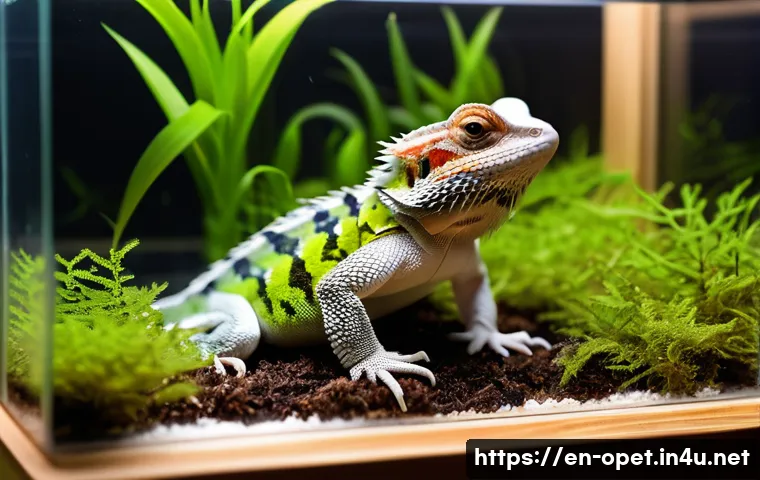
I switched to coconut fiber for my bearded dragon’s enclosure after struggling with dry air, and the difference was noticeable within days. These substrates not only hold moisture but also encourage natural burrowing and digging behaviors, contributing to your pet’s overall well-being.
Heating and Ventilation: Balancing Warmth and Moisture
How Heat Sources Influence Humidity Levels
Heat and humidity are closely linked in any reptile habitat, but managing both simultaneously can be tricky. Heat sources like ceramic heat emitters or under-tank heaters raise the ambient temperature but can also dry out the enclosure if not balanced properly.
I’ve learned that combining heat mats with localized misting or humidifiers can prevent the enclosure from becoming a desert or a swamp. Monitoring both temperature and humidity side by side is critical because a warm, dry environment can stress reptiles just as much as excessive moisture.
Ventilation Strategies to Prevent Mold and Stagnant Air
Good airflow is essential to prevent mold growth and maintain healthy respiration for your reptiles. Many beginners make the mistake of sealing enclosures too tightly in an effort to trap humidity, but this often backfires.
I recommend using enclosures with adjustable vents or adding small fans to circulate air without drastically reducing humidity. Balancing ventilation with moisture retention creates a stable environment that supports your pet’s immune system and comfort.
Creating Microclimates Inside the Enclosure
Reptiles often seek out different humidity levels within their habitat, so creating microclimates can mimic their natural environment effectively. For instance, placing a humid hide box filled with moist sphagnum moss in one corner provides a refuge with higher humidity, while the rest of the enclosure stays drier.
I’ve found that offering these diverse zones encourages natural behaviors like thermoregulation and hydration, which are important for their physical and psychological health.
Integrating Technology for Smarter Humidity Control
Smart Controllers and Sensors: Real-Time Adjustments
The latest reptile care technology includes smart humidity controllers connected to Wi-Fi, allowing owners to monitor and adjust conditions remotely via smartphone apps.
These systems can automate misting, heating, and ventilation based on preset parameters. In my experience, this technology reduces daily maintenance and helps maintain more stable environments, especially when I’m away from home.
Real-time alerts also prevent emergencies by notifying you if humidity falls outside the ideal range.
Combining Multiple Devices for Precision
Relying on a single device often isn’t enough for complex reptile habitats. Combining hygrometers, automatic misting systems, and smart controllers creates a feedback loop that fine-tunes conditions dynamically.
I use a digital hygrometer paired with a smart misting system, which adjusts mist intervals based on sensor input. This setup has minimized my guesswork and improved my reptiles’ health markers, such as smoother shedding and better hydration.
Cost vs. Benefit: Finding the Right Investment
High-tech humidity control equipment can be pricey, so it’s important to weigh costs against benefits. For casual hobbyists, a good digital hygrometer and manual misting might suffice.
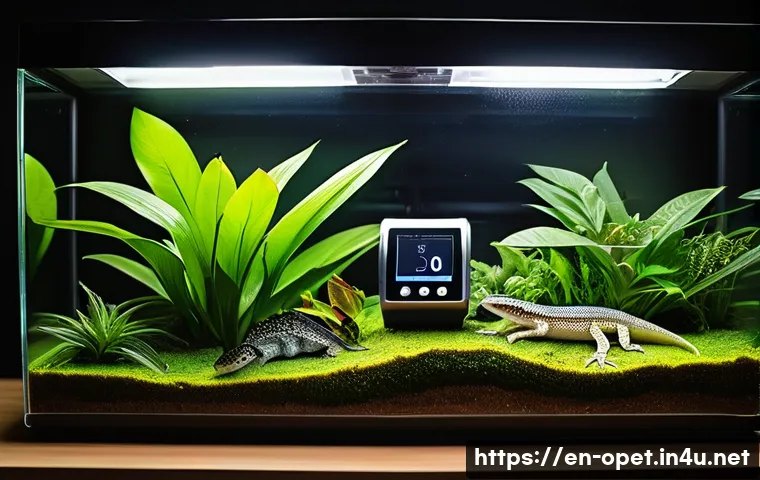
However, for serious keepers or breeders, investing in automated systems pays off through reduced stress for the animals and fewer health issues. I’ve balanced my budget by starting with basic tools and gradually upgrading based on my reptiles’ needs, which made the process manageable and effective.
Common Mistakes and How to Avoid Them
Ignoring Species-Specific Humidity Needs
One of the biggest errors I see among reptile owners is applying a one-size-fits-all approach to humidity. Different species have unique requirements; for example, tropical geckos need high humidity (around 70-80%), while desert species like bearded dragons thrive at much lower levels (30-40%).
Misjudging these needs can lead to stress, illness, or even death. Always research your reptile’s natural habitat and tailor humidity control accordingly.
Over-Humidifying: The Hidden Dangers
While low humidity is a concern, too much moisture can be equally harmful. Excess humidity encourages bacterial growth, respiratory infections, and skin problems.
I’ve encountered cases where owners over-misted their enclosures in a well-intentioned effort to help their pets but ended up creating a breeding ground for pathogens.
It’s vital to strike a balance and monitor both environmental conditions and your pet’s behavior closely.
Neglecting Regular Maintenance and Calibration
Humidity control devices require ongoing care to stay accurate and functional. Dust buildup, battery depletion, or sensor wear can skew readings and cause your setup to fail silently.
From personal experience, setting a monthly routine to clean and recalibrate equipment has prevented numerous health scares. Keeping a maintenance log helps track device performance over time and ensures your reptile’s environment remains stable.
Understanding the Impact of Humidity on Reptile Behavior and Health
Shedding and Skin Health
Humidity plays a critical role in the shedding process of reptiles. Insufficient moisture can cause incomplete sheds, leading to retained skin that restricts movement and causes discomfort.
I’ve noticed that maintaining proper humidity levels not only smooths shedding but also improves skin texture and coloration. Providing a humid hide or regular misting helps reptiles shed their skin cleanly and reduces the risk of infections associated with stuck shed.
Hydration and Appetite
Proper humidity levels assist in keeping reptiles hydrated, which directly affects their appetite and activity. Dehydrated reptiles often become lethargic and lose interest in food, which can spiral into more serious health problems.
In my care routine, I’ve seen that reptiles kept in optimal humidity environments drink less from water dishes because they absorb moisture through their skin and respiratory tract more effectively.
This subtle hydration mechanism is critical for desert and tropical species alike.
Respiratory Health and Immune Support
Too low or too high humidity can stress a reptile’s respiratory system. Dry air irritates mucous membranes, while overly moist conditions encourage fungal and bacterial growth.
I once had a snake develop mild respiratory symptoms due to fluctuating humidity levels, which resolved only after adjusting the habitat’s moisture balance.
Consistent humidity control supports a strong immune system, helping reptiles fight off infections and thrive.
Humidity Control Solutions: Features and Benefits Comparison
| Device Type | Advantages | Disadvantages | Best For |
|---|---|---|---|
| Analog Hygrometer | Simple, no batteries needed, budget-friendly | Less accurate over time, requires manual calibration | Beginners or secondary monitoring |
| Digital Hygrometer | Accurate, fast readings, often with temperature display | Needs batteries, can be pricier | Most reptile owners, precise monitoring |
| Automatic Misting System | Consistent humidity, programmable, reduces daily work | Higher upfront cost, requires installation and maintenance | Advanced setups, multiple reptiles, busy owners |
| Smart Controllers | Remote monitoring, automation, real-time alerts | Expensive, requires tech familiarity | Professional keepers, tech-savvy enthusiasts |
| Manual Sprayers | Inexpensive, flexible control, easy to use | Labor-intensive, risk of over-spraying | Small enclosures, beginners |
Conclusion
Maintaining the right humidity levels in your reptile enclosure is vital for the health and happiness of your pets. By choosing the appropriate monitoring tools, using effective humidification methods, and balancing heat and ventilation, you create a stable and comfortable environment. Remember, regular calibration and observation are key to success. With a bit of attention and the right equipment, you can ensure your reptiles thrive every day.
Useful Tips to Keep in Mind
1. Always research your reptile’s specific humidity needs before setting up your enclosure to avoid stress or health issues.
2. Position hygrometers away from water sources and heat to get accurate, representative humidity readings.
3. Combine different humidity control methods, like substrate choice and misting, to maintain consistent moisture.
4. Regularly clean and calibrate your humidity sensors to prevent inaccurate readings that could harm your pet.
5. Consider investing in smart controllers if you want hassle-free monitoring and automated adjustments, especially when you’re away.
Key Takeaways
Choosing the right humidity tools tailored to your reptile’s needs is the foundation of proper habitat care. Accurate placement and routine calibration of devices ensure reliable monitoring. Balancing humidification with heating and ventilation prevents common problems like mold or dehydration. Incorporating technology can simplify maintenance but should align with your budget and experience level. Ultimately, attentive care and understanding your pet’s behavior lead to a thriving reptile environment.
Frequently Asked Questions (FAQ) 📖
Q: How do I know if the humidity level in my reptile’s enclosure is too low or too high?
A: You can usually tell by observing your reptile’s behavior and physical condition. If the humidity is too low, your reptile might have trouble shedding its skin properly, leading to retained shed or dry patches.
They may also appear dehydrated or lethargic. On the other hand, too high humidity can cause respiratory problems, mold growth, and a damp enclosure that can stress your pet.
Using a reliable hygrometer to monitor the humidity daily is the best way to keep it within the ideal range specific to your reptile species.
Q: What are the best tools or devices to maintain proper humidity in a reptile habitat?
A: From my experience, a good digital hygrometer combined with a misting system or automatic fogger works wonders. Misting systems help keep the air moist without soaking the substrate, while foggers create a fine mist that raises humidity gently.
Additionally, using moisture-retentive substrates like coconut fiber or sphagnum moss can help maintain stable humidity. For beginners, I recommend investing in a digital hygrometer with an alarm feature so you get instant notifications if humidity falls outside the ideal range.
Q: Can improper humidity levels cause long-term health issues for reptiles?
A: Absolutely. Over time, consistently low humidity can lead to chronic dehydration, skin infections, and shedding problems that severely affect your reptile’s health.
High humidity, if unchecked, may result in respiratory infections, fungal growth, and stress-related behaviors. I’ve seen reptiles improve dramatically once their humidity is correctly regulated—it’s one of those care details that really separates thriving pets from those struggling silently.
Regular monitoring and adjustment not only prevent serious health risks but also ensure your reptile stays comfortable and happy.