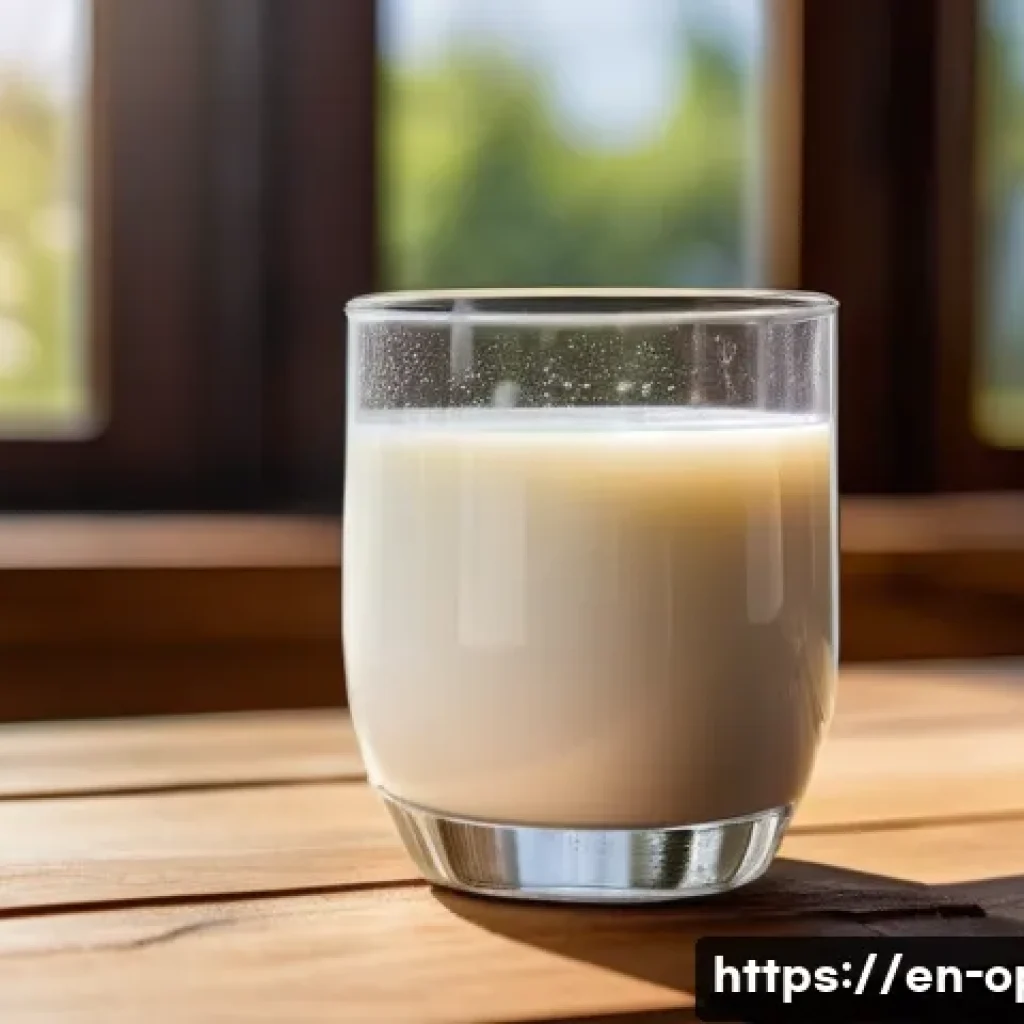
Goat milk has been gaining attention as a nutritious alternative to cow’s milk, offering a unique blend of vitamins, minerals, and easily digestible proteins.

Many people turn to it for its potential health benefits, including better tolerance for lactose and a rich supply of essential nutrients like calcium and potassium.
Its distinctive composition can support immune function and promote gut health, making it a fascinating choice for those exploring dairy options. Understanding the detailed nutritional profile of goat milk can help you decide if it fits your dietary needs and lifestyle.
Let’s dive deeper and uncover what makes goat milk truly special!
The Unique Protein Structure of Goat Milk and Its Digestibility
Why Goat Milk Feels Easier on the Stomach
Goat milk’s protein composition is quite different from cow’s milk, which is why many people report less digestive discomfort after consuming it. The casein protein in goat milk tends to form a softer curd during digestion, making it gentler on the stomach lining.
This means fewer people experience the bloating or heaviness commonly associated with cow’s milk. From my own experience, switching to goat milk helped ease mild digestive issues I had with lactose, which was a pleasant surprise.
The smaller fat globules also contribute to this smoother digestion process, allowing enzymes to break down the milk more efficiently.
Comparing Protein Types: A Closer Look
The main protein in goat milk is beta-casein, but its variant differs slightly from that in cow’s milk, particularly lacking the A1 beta-casein which some studies link to digestive discomfort.
This subtle difference can have a significant impact on how the body tolerates the milk. Furthermore, goat milk contains more medium-chain fatty acids, which are metabolized quickly and can provide a quick energy boost without taxing the digestive system.
For people sensitive to milk proteins, goat milk can be a game-changer, offering a creamy, nutritious option without the usual side effects.
Protein Content Breakdown in Goat vs. Cow Milk
| Nutrient | Goat Milk (per 100ml) | Cow Milk (per 100ml) |
|---|---|---|
| Total Protein | 3.1g | 3.3g |
| Beta-casein Type | A2 variant | Mostly A1 variant |
| Fat Globule Size | Smaller | Larger |
| Medium-Chain Fatty Acids | Higher | Lower |
Rich Mineral Content Supporting Bone Health and More
Calcium and Phosphorus Levels in Goat Milk
One of the stand-out features of goat milk is its impressive calcium content. Calcium is crucial for strong bones and teeth, and goat milk provides a highly bioavailable form, meaning your body can absorb and use it efficiently.
What I found interesting is that the calcium-phosphorus ratio in goat milk is closer to what human bodies need, which supports better bone mineralization.
People looking to improve bone density without relying heavily on supplements might find goat milk a natural ally.
Potassium and Magnesium for Heart and Muscle Function
Besides calcium, goat milk is packed with potassium and magnesium, two minerals essential for cardiovascular health and muscle function. Potassium helps regulate blood pressure by balancing sodium levels, while magnesium plays a role in muscle relaxation and nerve function.
Having incorporated goat milk into my diet, I noticed subtle improvements in my energy levels and muscle recovery after workouts, which I attribute partly to these minerals.
Trace Minerals that Make a Difference
Goat milk also contains smaller amounts of trace minerals like zinc and selenium, which support immune health and antioxidant defense. These micronutrients work behind the scenes to keep the body resilient against infections and oxidative stress.
While these minerals are present in modest amounts, their combined effect contributes to the overall health benefits of drinking goat milk regularly.
Fatty Acids and Their Impact on Health and Taste
The Role of Medium-Chain Triglycerides (MCTs)
Goat milk’s fat profile is fascinating because it includes a higher proportion of medium-chain triglycerides (MCTs) compared to cow’s milk. MCTs are unique because they’re metabolized directly by the liver, providing a quick source of energy rather than being stored as fat.
This makes goat milk especially appealing to those interested in weight management or athletes needing rapid fuel. Personally, I felt that goat milk gave me a lighter, more sustained energy boost, which helped on busy days when I needed to stay alert without feeling sluggish.
How Fat Content Influences Flavor and Creaminess
The fat in goat milk is not only nutritionally beneficial but also affects its taste and texture. Those smaller fat globules make the milk creamier and smoother, giving it a slightly sweet and tangy flavor that’s quite distinct from cow’s milk.
Some people describe it as earthy or grassy, which can be an acquired taste, but once you get used to it, it’s incredibly satisfying. I’ve found it pairs wonderfully with coffee and cereal, adding a subtle richness without overpowering other flavors.
Comparing Fatty Acid Profiles
Compared to cow’s milk, goat milk has more short- and medium-chain fatty acids like caproic, caprylic, and capric acid. These contribute to its characteristic aroma and potential antimicrobial properties.
While this might make goat milk smell a bit stronger, especially when raw, the benefits in terms of digestion and health are well worth it.
Vitamins That Boost Immunity and Skin Health
High Vitamin A Content for Vision and Skin
Goat milk is a great source of vitamin A, a fat-soluble vitamin essential for maintaining healthy vision, skin, and immune function. Vitamin A plays a role in cell growth and repair, which explains why some people notice improvements in their skin condition after regularly consuming goat milk.
From my own observation, drinking goat milk seemed to help my skin feel more hydrated and resilient, likely thanks to this nutrient.
Vitamin D: Supporting Bone and Immune Health
Vitamin D is another important nutrient found in goat milk, though in smaller amounts compared to fortified cow milk. It helps the body absorb calcium and phosphorus, reinforcing bone strength and supporting immune defenses.
If you’re relying on natural sources, goat milk can complement your vitamin D intake, especially in seasons with limited sun exposure.
Complex B Vitamins for Energy and Metabolism
Goat milk contains a range of B vitamins, including B2 (riboflavin), B3 (niacin), and B12, all vital for energy production and nervous system health. These vitamins work together to convert food into energy, keep your brain sharp, and maintain healthy red blood cells.
People who switched to goat milk often report feeling a subtle lift in energy levels, which I also experienced during periods of fatigue.
Lactose Content and Tolerance: What You Should Know
Lower Lactose Levels Compared to Cow’s Milk
One reason goat milk is favored by those with mild lactose intolerance is its naturally lower lactose content. While it’s not lactose-free, many people find it easier to digest without the common symptoms like cramps or gas.
In my case, I was pleasantly surprised to drink a glass without the usual bloating, which made goat milk a regular part of my breakfast routine.
How Goat Milk Affects Gut Microbiota
Beyond just lactose, goat milk contains oligosaccharides that act as prebiotics, feeding the beneficial bacteria in your gut. This can promote a healthier digestive environment and improve overall gut health.
After several weeks of drinking goat milk, I noticed improved digestion and less stomach discomfort, suggesting that the milk helped balance my gut flora.
Who Should Approach with Caution?
Despite its benefits, goat milk isn’t suitable for everyone. Those with severe lactose intolerance or milk protein allergies should still be cautious.
It’s always a good idea to try a small amount first and observe how your body reacts. Consulting a healthcare provider can also help determine if goat milk fits your personal dietary needs.
How Goat Milk Fits Into a Balanced Diet
Incorporating Goat Milk Into Meals and Snacks
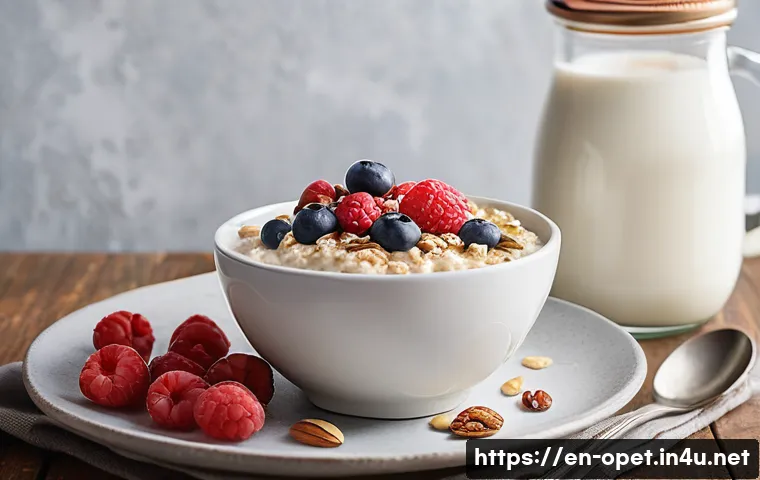
Goat milk is versatile and can be used just like cow’s milk — in coffee, smoothies, baking, or simply on its own. Its rich, creamy texture enhances the flavor of cereals and oatmeal, and it works well in recipes that call for dairy.
I personally enjoy it in homemade yogurt and cheese, which are delicious ways to get the benefits of goat milk with added probiotics.
Pairing Goat Milk With Other Nutrient Sources
To maximize the health benefits, pairing goat milk with foods rich in fiber, antioxidants, and healthy fats creates a well-rounded meal. For example, combining goat milk yogurt with berries and nuts makes a nutrient-dense snack that supports digestion, immunity, and sustained energy.
This balance helps prevent blood sugar spikes and keeps you feeling full longer.
Potential Drawbacks and How to Mitigate Them
While goat milk is nutrient-rich, it can be pricier and less available than cow’s milk. Additionally, its stronger taste might not appeal to everyone initially.
To ease the transition, mixing goat milk with regular milk or using it in recipes where the flavor is masked can help. Also, checking for fortified versions can ensure you get added vitamins like D and B12, which might be lower in some raw or unfortified goat milk products.
In Conclusion
Goat milk offers a unique blend of proteins, minerals, and fats that make it easier to digest and beneficial for overall health. Its distinct composition supports bone strength, boosts energy, and promotes gut health, making it a valuable addition to a balanced diet. From personal experience, incorporating goat milk brought noticeable improvements in digestion and skin vitality. Whether you’re exploring dairy alternatives or seeking nutritional variety, goat milk is worth considering.
Useful Information to Keep in Mind
1. Goat milk contains the A2 variant of beta-casein, which is generally easier on the digestive system compared to the A1 variant found in most cow’s milk.
2. It is rich in calcium and phosphorus with a ratio that supports better bone mineralization and absorption.
3. Medium-chain triglycerides (MCTs) in goat milk provide quick energy and may support weight management and athletic performance.
4. The naturally lower lactose content and prebiotic compounds in goat milk can help improve gut health and reduce lactose intolerance symptoms.
5. While nutritious, goat milk’s stronger flavor and higher price point may require some adjustment or blending with other dairy products for easier acceptance.
Key Takeaways
Goat milk stands out due to its unique protein and fat structure, making it gentler on digestion and an excellent source of vital nutrients. Its mineral profile supports bone and cardiovascular health, while vitamins enhance immunity and skin condition. Despite its benefits, individuals with severe lactose intolerance or milk allergies should exercise caution. Gradual introduction and consultation with a healthcare professional can help determine if goat milk fits your dietary needs. Overall, goat milk is a wholesome, versatile option that can enrich a balanced diet and support well-being.
Frequently Asked Questions (FAQ) 📖
Q: Is goat milk easier to digest than cow’s milk?
A: Yes, many people find goat milk easier to digest because it contains smaller fat globules and a different protein structure compared to cow’s milk. This means it forms a softer curd in the stomach, which can be gentler on the digestive system.
For those who experience mild lactose intolerance or stomach discomfort with cow’s milk, goat milk can often be a more comfortable alternative.
Q: What are the key nutritional benefits of goat milk?
A: Goat milk is packed with essential nutrients like calcium, potassium, and vitamin A, along with a good balance of proteins and healthy fats. Its unique composition supports immune health and gut function due to beneficial fatty acids and prebiotic compounds.
Personally, I’ve noticed that incorporating goat milk into my diet provides sustained energy and feels more nourishing, especially during busy days when I need a nutrient boost.
Q: Can goat milk help people with lactose intolerance?
A: While goat milk still contains lactose, many individuals with mild lactose intolerance report better tolerance because goat milk has slightly less lactose than cow’s milk and contains enzymes that may aid digestion.
However, it’s not lactose-free, so those with severe intolerance or allergy should proceed with caution. Trying small amounts first and observing your body’s response is a practical way to see if goat milk suits your digestive system.