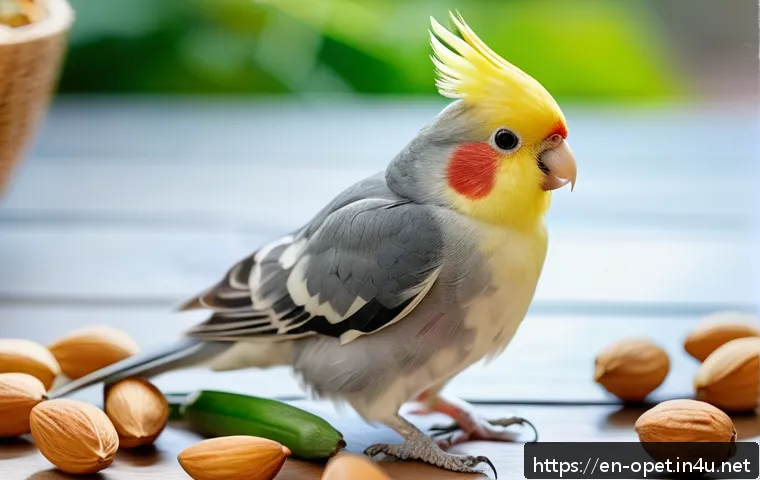
As more bird lovers welcome cockatiels into their homes, ensuring these charming companions stay happy and healthy has become a top priority. With the growing awareness of pet nutrition, finding the right nut mixes can make all the difference in your bird’s vitality and cheerful chirps.
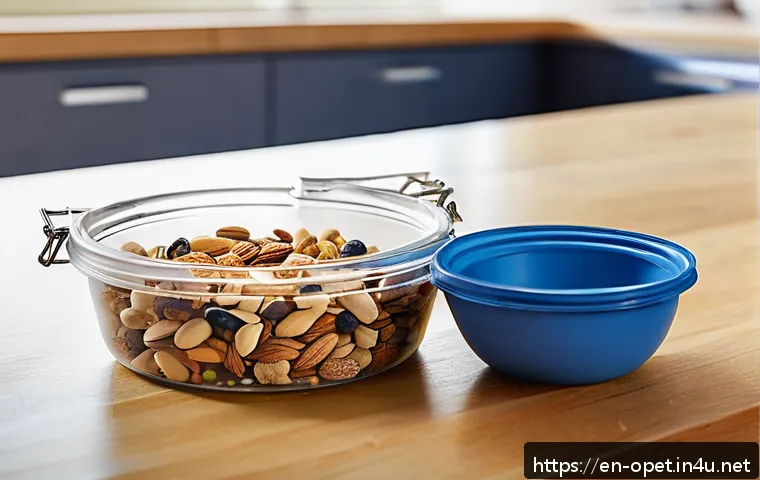
Recently, pet experts have highlighted the importance of balanced diets enriched with essential nutrients, especially for small parrots like cockatiels.
If you’ve ever wondered how to keep your feathered friend energized and thriving, exploring the best nut blends is a great place to start. Let’s dive into some tasty, nutrient-packed options that will have your cockatiel singing with joy every day!
Choosing Nut Mixes That Support Cockatiel Health
Understanding Nutritional Needs of Cockatiels
Cockatiels require a diet that balances fats, proteins, vitamins, and minerals to maintain their energy and vibrant plumage. Nuts are an excellent source of healthy fats and proteins, but not all nuts are created equal when it comes to feeding your feathered friend.
For example, almonds and walnuts provide essential omega fatty acids that support skin and feather health, while peanuts, if given in moderation, offer a protein boost.
It’s crucial to avoid salted or flavored nuts, as additives can harm your bird’s digestive system. Observing how your cockatiel responds to different nut types will help you fine-tune their diet for optimal health and happiness.
How to Incorporate Nuts into Daily Feeding Routines
Integrating nuts into your cockatiel’s daily meals should be done thoughtfully. Rather than offering large quantities all at once, try mixing small amounts of nuts with their regular pellet or seed mix.
This encourages natural foraging behavior and keeps your bird mentally stimulated. I personally noticed that my cockatiel became more active and playful after I started rotating different nut varieties throughout the week.
Remember to chop larger nuts into bite-sized pieces to avoid choking hazards and to make them easier to digest.
Common Nut Allergies and Sensitivities
Though rare, some cockatiels may show sensitivities to specific nuts, especially those with higher fat content like macadamias. Watch for signs such as excessive scratching, feather plucking, or digestive upset.
If you notice any of these symptoms, discontinue that nut and consult with an avian veterinarian. It’s always safer to introduce new nuts gradually and observe how your bird reacts over several days.
Balancing Nut Mixes with Other Nutrient Sources
The Role of Seeds and Pellets Alongside Nuts
While nuts are nutrient powerhouses, they shouldn’t be the sole component of your cockatiel’s diet. Seeds provide fiber and energy, while pellets are formulated to cover a broad spectrum of vitamins and minerals.
Combining these with nuts creates a balanced nutritional profile that mimics what cockatiels would find in the wild. When I started blending a variety of seeds, pellets, and nuts, I noticed my bird’s feathers became shinier and their vocalizations more frequent, indicating improved overall wellbeing.
Fresh Fruits and Vegetables Complementing Nut Intake
Adding fresh produce to your cockatiel’s diet introduces important antioxidants and hydration. Foods like leafy greens, carrots, and apples enrich their meals with vitamins that nuts alone can’t provide.
In my experience, offering fresh vegetables alongside nut treats encourages natural chewing behavior and keeps my cockatiel entertained for longer periods, which is vital for mental health.
Hydration and Its Connection to Diet
Proper hydration is essential, especially when feeding higher-fat foods like nuts. Always provide fresh water and monitor consumption to prevent dehydration.
I’ve found that cockatiels tend to drink more when nuts are part of their diet, likely because fats require additional water for digestion. Keeping water clean and accessible encourages regular drinking habits, supporting overall digestive health.
Safe Nut Varieties for Cockatiels and Their Benefits
Almonds: A Rich Source of Vitamin E
Almonds are packed with vitamin E, which helps protect cells from oxidative damage and supports immune function. I often give my cockatiel a few slivered almonds as an occasional treat, and it’s amazing how excited they get.
Just be sure to offer raw, unsalted almonds to avoid any harmful additives.
Walnuts: Boosting Brain Health
Walnuts contain omega-3 fatty acids that benefit cognitive functions and promote healthy brain development. I noticed that after introducing chopped walnuts into my bird’s diet, their alertness and problem-solving behaviors improved, which is a testament to the positive effects of these nuts.
Pistachios: Energy Dense and Flavorful
Pistachios are a great energy source due to their healthy fats and protein content. Their natural sweetness makes them a favorite among many cockatiels.
However, they should be given sparingly because of their higher fat content. Always choose unsalted and unroasted pistachios to keep your bird’s diet clean and safe.
Recognizing Quality Nut Mixes on the Market
Ingredients to Look For and Avoid
When shopping for nut mixes, carefully check the ingredient list. Avoid products with added sugars, salt, or artificial preservatives. The best mixes feature a variety of raw, organic nuts without fillers.
I once switched to a premium brand with clear labeling and noticed my cockatiel preferred their food more and showed fewer digestive issues.
Packaging and Freshness Considerations
Nuts can go rancid quickly due to their fat content, so freshness is critical. Look for packaging that is airtight and opaque to protect against light and moisture.
I’ve found resealable bags especially convenient to maintain freshness after opening. Buying smaller quantities more frequently also helps ensure your bird gets only the freshest nuts.
Price Versus Nutritional Value
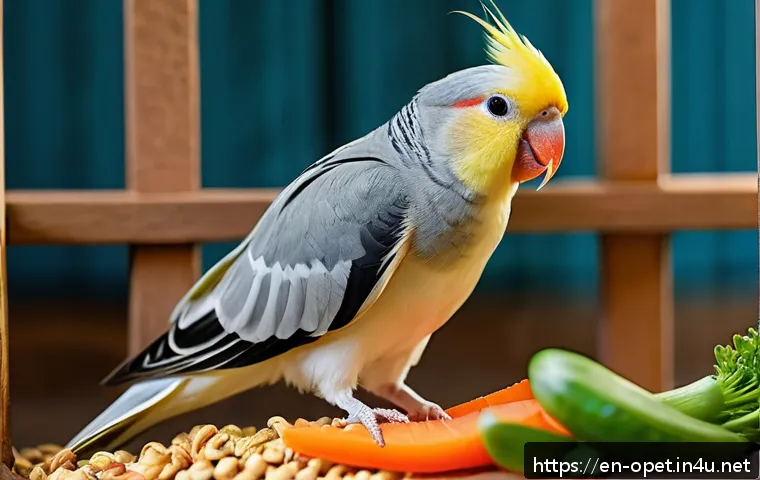
Higher price doesn’t always mean better quality, but extremely cheap mixes often contain lower-grade nuts or additives. I recommend balancing cost with quality by reading reviews and trying small packs before committing to bulk purchases.
Investing in nutrient-rich nuts might cost a bit more upfront but pays off in your cockatiel’s health and longevity.
Homemade Nut Mix Recipes Tailored for Cockatiels
Basic Nut Blend for Beginners
For those new to preparing their bird’s diet, a simple mix of raw almonds, walnuts, and pistachios chopped into small pieces is a great start. This blend offers a nice balance of fats and proteins without overwhelming your cockatiel’s digestive system.
I began with this basic recipe and gradually introduced other nuts as my bird adjusted well.
Enhanced Nut Mix with Seeds and Dried Fruits
To add variety, try mixing nuts with small amounts of bird-safe seeds like millet and dried fruits such as cranberries or blueberries (without added sugar).
This combo not only boosts nutrition but also keeps your cockatiel engaged through different textures and flavors. I noticed my cockatiel spent more time exploring this mix, which is excellent for mental stimulation.
Customizing Mixes Based on Your Bird’s Preferences
Every cockatiel has unique tastes and nutritional needs. Pay attention to which nuts your bird prefers and which ones they ignore. Adjust your homemade blends accordingly, adding more of the favorites while gradually introducing new nuts to expand their palate.
This personalized approach has worked wonders in my experience, leading to a happier and healthier pet.
Practical Tips for Storing and Serving Nut Mixes
Optimal Storage Conditions to Preserve Freshness
Store nuts in a cool, dry place, ideally in an airtight container to prevent exposure to air and humidity. I keep my nut mixes in the refrigerator, which extends their shelf life and maintains crunchiness.
Avoid storing near heat sources or sunlight, as these accelerate spoilage.
Serving Size and Frequency Recommendations
Nuts should be offered as treats, not the main diet, to avoid excessive fat intake. A handful a few times a week is usually sufficient. I tend to measure out portions in advance to prevent overfeeding and maintain a balanced diet.
Observing your bird’s weight and activity level helps guide appropriate serving sizes.
Encouraging Natural Foraging with Nut Treats
Instead of just placing nuts in a bowl, try hiding them in foraging toys or scattering them around the cage. This mimics wild behaviors and provides mental enrichment.
My cockatiel loves the challenge of searching for nut pieces, which keeps boredom at bay and promotes healthy exercise.
Summary of Nut Types and Their Nutritional Highlights
| Nut Type | Key Nutrients | Health Benefits | Feeding Tips |
|---|---|---|---|
| Almonds | Vitamin E, Healthy fats | Supports immune system and feather health | Offer raw, unsalted, chopped |
| Walnuts | Omega-3 fatty acids | Enhances brain function and cognition | Use chopped pieces, introduce gradually |
| Pistachios | Protein, Healthy fats | Provides energy and flavor variety | Feed sparingly, avoid salted or roasted |
| Peanuts | Protein, Fat | Good protein source but watch for allergies | Use in moderation, raw and unsalted only |
| Macadamia Nuts | Monounsaturated fats | Supports skin and feather condition | Feed very sparingly due to high fat content |
In Closing
Choosing the right nut mixes for your cockatiel is key to supporting their overall health and happiness. By understanding their nutritional needs and carefully selecting safe, fresh nuts, you can enhance their diet meaningfully. Remember, balance and moderation are essential to keep your feathered friend thriving. With thoughtful feeding and attention, your cockatiel will enjoy a vibrant and energetic life.
Helpful Tips to Keep in Mind
1. Always opt for raw, unsalted, and unflavored nuts to ensure your cockatiel’s safety and digestive health.
2. Introduce new nuts gradually and observe your bird for any signs of allergies or sensitivities.
3. Mix nuts with seeds, pellets, and fresh produce to provide a well-rounded and stimulating diet.
4. Store nuts in airtight containers in a cool, dry place to maintain freshness and prevent spoilage.
5. Use foraging toys or scatter nuts around the cage to encourage natural behaviors and mental enrichment.
Key Takeaways
Providing a balanced diet that includes a variety of safe nuts, combined with seeds, pellets, and fresh fruits and vegetables, is essential for cockatiel health. Always prioritize quality and freshness when selecting nut mixes and monitor your bird’s response closely. Moderation is crucial to prevent excessive fat intake, and encouraging natural foraging enhances mental well-being. With these guidelines, you can confidently support your cockatiel’s nutrition and happiness every day.
Frequently Asked Questions (FAQ) 📖
Q: uestions about Nut Mixes for CockatielsQ1: What types of nuts are safe and beneficial for cockatiels?
A: Cockatiels can enjoy a variety of nuts such as almonds, walnuts, pecans, and hazelnuts, all in moderation. These nuts are rich in healthy fats, proteins, and essential vitamins that support their feathers, energy levels, and overall health.
However, it’s crucial to avoid salted, flavored, or roasted nuts, as additives can be harmful. Offering small, unsalted, raw nuts occasionally can provide a nutritious treat that your cockatiel will love without risking their health.
Q: How often should I feed nut mixes to my cockatiel?
A: Nut mixes should be given as a supplement rather than a staple—about two to three times a week is ideal. Overfeeding nuts can lead to excessive fat intake, which might cause obesity or liver issues in cockatiels.
I’ve found that integrating nuts as part of a balanced diet alongside pellets, fresh fruits, and veggies keeps my bird happy and energetic. Always observe your bird’s reaction and adjust portions accordingly to maintain a healthy diet.
Q: Can nut mixes replace regular cockatiel food?
A: No, nut mixes should never replace a complete and balanced cockatiel diet. While nuts are nutritious, they lack certain vital nutrients that formulated pellets and fresh foods provide.
Think of nuts as an extra boost or treat, not the main course. In my experience, relying solely on nuts led to nutritional gaps that affected my bird’s vitality.
To keep your cockatiel thriving, combine nut treats with a well-rounded diet that meets all their dietary needs.