With more pet owners seeking meaningful connections with their furry friends, understanding how to boost your hamster’s social skills has never been more important.
As small companions become a bigger part of our daily lives, knowing the right ways to enhance their happiness and bonding can transform your relationship.
Whether you’re a seasoned hamster parent or just starting out, these proven tips will help you create a joyful and trusting environment. Stick around to discover simple yet effective strategies that truly make a difference in your hamster’s world.
Creating a Comfortable Environment for Social Interaction
Designing a Spacious and Stimulating Habitat
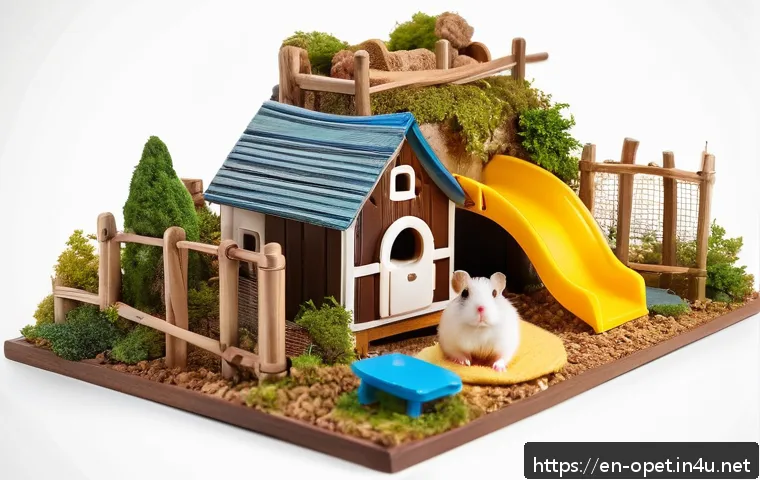
One of the foundational steps to encourage your hamster’s sociability is providing a habitat that feels safe yet engaging. Hamsters thrive when their environment mimics natural settings with plenty of tunnels, hiding spots, and climbing opportunities.
From my experience, adding various textures like wood, paper bedding, and chew toys not only satisfies their instinctual needs but also keeps them curious and less stressed.
A cramped or dull cage can make your hamster withdrawn or defensive, so think of their habitat as a playground that invites exploration and interaction.
Establishing a Routine That Builds Trust
Hamsters are creatures of habit and appreciate predictability. Establishing a consistent daily routine where feeding, cleaning, and playtime happen around the same hours each day can significantly reduce anxiety.
When your hamster knows what to expect, it becomes easier for them to relax and engage with you. I found that talking softly during these routines helps build familiarity—your hamster begins associating your voice with comfort, making social interaction feel safer and more inviting.
Setting Up a Safe Space for New Experiences
Socializing a hamster isn’t just about interaction with humans but also about how they handle new stimuli. Setting up a designated “safe zone” within or outside their cage where they can explore new toys, sounds, or even gentle handling allows gradual acclimatization.
I like to introduce new elements slowly, always observing their behavior closely. If they seem overwhelmed, stepping back is crucial. This patience helps your hamster associate new experiences with positive feelings rather than fear.
Understanding Hamster Body Language to Enhance Communication
Recognizing Signs of Comfort and Stress
Hamsters communicate largely through body language, and tuning into these subtle cues is key to fostering a social bond. For instance, a relaxed hamster often appears curious, with whiskers twitching and ears alert but not pinned back.
In contrast, a stressed hamster may freeze, hiss, or try to hide. I’ve learned that respecting these signals means not pushing interactions too quickly.
When your hamster shows signs of stress, giving them space reinforces trust and prevents negative associations with social moments.
Using Gentle Touch to Build Positive Associations
When your hamster is comfortable, gentle petting can reinforce your bond. I usually start by softly stroking their back or cheeks, observing how they respond.
Some hamsters love this kind of attention and may even nuzzle back, while others prefer brief touches. Over time, this gentle contact helps them associate your presence with safety and affection.
Remember, every hamster is unique, so patience and attentiveness to their reactions make all the difference.
Encouraging Curiosity Through Play
Playtime is a fantastic opportunity to read your hamster’s body language and encourage interaction. Using small toys or treats, I often initiate gentle games that stimulate their natural instincts, like foraging or climbing.
Watching their body posture—whether they’re eager or hesitant—helps me tailor play sessions to their comfort level. Play not only strengthens your bond but also enriches their mental and physical well-being, making social moments more enjoyable for both of you.
Introducing Your Hamster to New Social Experiences
Gradual Introduction to Handling
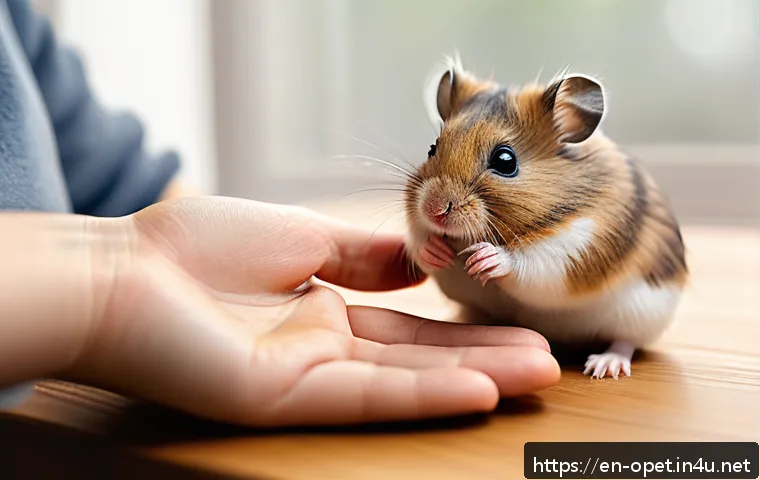
Handling is a crucial part of socialization but must be approached carefully. I start by letting my hamster get used to my hand’s scent by placing it near their food or bedding.
After a few days, I gently cup them without sudden movements, allowing them to climb in voluntarily. This step-by-step approach minimizes stress and builds positive associations with being held.
Forcing handling too soon can lead to fear and reluctance, so patience is essential.
Safe Interaction with Other Hamsters
While hamsters are generally solitary creatures, some species tolerate brief social interactions. If you have multiple hamsters, it’s vital to monitor their behavior closely when introducing them.
I recommend a neutral territory for their first meeting, with plenty of escape routes. Signs of aggression like biting or loud squeaking mean it’s time to separate them immediately.
Successful introductions require slow, supervised sessions and understanding that some hamsters simply prefer their own space.
Incorporating Family Members into Social Routine
Getting everyone in the household involved helps your hamster become accustomed to various people. I encourage family members to interact gently and consistently, using the same calm voice and slow movements.
This variety in social exposure helps your hamster become more adaptable and less fearful of unfamiliar humans. Consistency and calmness from all handlers create a trusting environment that fosters social confidence.
Using Positive Reinforcement to Encourage Sociability
Reward-Based Training Techniques
Positive reinforcement is an incredibly effective way to boost your hamster’s social skills. I use small, healthy treats to reward calm behavior during handling or exploration outside the cage.
Over time, my hamster started associating these treats with positive social experiences, which made them more eager to interact. Simple commands like “come” or “stay” can be taught this way, deepening the connection between you and your pet while making socialization fun and rewarding.
Timing and Consistency Matter
The timing of rewards is just as important as the reward itself. Delivering treats immediately after desired behavior ensures your hamster understands the connection.
Inconsistent or delayed rewards can confuse them, leading to frustration. I stick to short, frequent sessions rather than long, infrequent ones, which keeps my hamster engaged without overwhelming them.
Consistency in training helps establish a predictable pattern that your hamster can rely on.
Choosing the Right Treats
Not all treats are created equal when it comes to training. I opt for small, nutritious options like sunflower seeds or tiny pieces of dried fruit that my hamster loves but can’t overeat.
This keeps them motivated without compromising their health. Using treats sparingly also ensures they remain special incentives, not just routine snacks, which is crucial for maintaining their effectiveness during socialization training.
Maintaining Social Skills Through Regular Engagement
Daily Interaction Beyond Feeding Times
Feeding alone isn’t enough to keep your hamster socially engaged. I make it a point to spend at least 15-20 minutes daily interacting with my hamster outside of meals.
Whether it’s gentle petting, playtime, or simply sitting nearby talking softly, these moments reinforce your presence as a source of comfort. Over time, this regular attention helps your hamster stay sociable and less prone to stress-related behaviors.
Incorporating Enrichment Activities
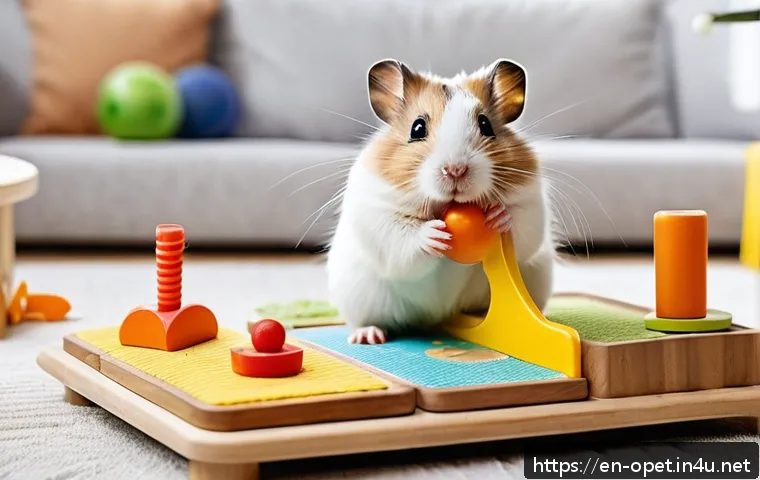
Enrichment activities like puzzle feeders, new toys, or scent trails stimulate your hamster’s mind and encourage exploration. I rotate toys every week to keep things fresh and exciting.
Engaged hamsters tend to be happier and more willing to interact. Plus, enrichment reduces boredom, which can lead to negative behaviors like biting or excessive chewing.
Monitoring Changes in Behavior
Regular observation of your hamster’s behavior is crucial to maintaining social skills. Changes such as increased hiding, aggression, or lethargy can signal stress or health issues.
I keep a journal of daily behaviors and interactions, which helps me detect subtle shifts early. Addressing these changes promptly ensures your hamster remains comfortable and open to social experiences.
Common Challenges and How to Overcome Them
Dealing with Fearful or Aggressive Behavior
Some hamsters may initially respond to socialization efforts with fear or aggression. I found that backing off and giving them space before trying again works best.
Forcing interaction can damage trust permanently. Instead, I focus on creating positive associations through treats and calm presence, gradually reducing fear and encouraging curiosity.
Understanding Species-Specific Temperaments
Different hamster species have varying social tendencies. For example, Syrian hamsters are more solitary and territorial, while dwarf varieties tend to be more social.
Knowing your hamster’s species helps set realistic expectations and tailor your approach. I recommend researching your hamster’s background to understand what social behaviors are typical and how best to support them.
Balancing Social Needs with Hamster Independence
While social interaction is important, hamsters also need time alone to recharge. Respecting their need for solitude is part of good care. I’ve noticed that after a period of active play, my hamster appreciates quiet time in their nest or tunnel.
Balancing these social and solitary moments ensures your hamster remains happy and well-adjusted.
| Socialization Aspect | Recommended Approach | Benefits | Common Pitfalls |
|---|---|---|---|
| Habitat Setup | Spacious cage with tunnels, hiding spots, and varied textures | Encourages exploration and reduces stress | Cramped or dull environments cause withdrawal |
| Handling | Gradual introduction, starting with scent familiarization | Builds trust and reduces fear | Forcing handling leads to aggression or fear |
| Positive Reinforcement | Use small treats immediately after desired behavior | Increases willingness to interact and learn | Inconsistent timing confuses the hamster |
| Play & Enrichment | Rotate toys, puzzle feeders, and scent trails regularly | Stimulates mental and physical activity | Boredom leads to negative behaviors |
| Social Exposure | Involve family members with calm, consistent interaction | Improves adaptability to different people | Sudden or rough interactions cause stress |
In Conclusion
Creating a comfortable and engaging environment is essential for fostering your hamster’s social skills. Consistency, patience, and gentle interaction build trust and encourage positive behavior. Remember, every hamster is unique, so adapting your approach to their needs will lead to a stronger bond. With time and care, socializing your hamster can be a rewarding and enjoyable experience for both of you.
Helpful Tips to Keep in Mind
1. Always provide a habitat that offers space and stimulation to keep your hamster curious and stress-free.
2. Establish a daily routine with consistent feeding and playtimes to help your hamster feel secure.
3. Introduce new experiences gradually, allowing your hamster to explore at their own pace.
4. Use positive reinforcement with timely treats to encourage social behavior effectively.
5. Involve all family members in gentle interactions to help your hamster become comfortable with different people.
Key Takeaways for Successful Hamster Socialization
Understanding your hamster’s natural behaviors and respecting their boundaries are crucial for building trust. Patience and gentle handling help reduce fear and aggression, while regular engagement through play and enrichment maintains their social skills. Always tailor your approach based on your hamster’s species and personality, balancing interaction with quiet time to ensure their happiness and well-being.
Frequently Asked Questions (FAQ) 📖
Q: How can I tell if my hamster is comfortable and happy when interacting with me?
A: You’ll notice your hamster showing relaxed body language, such as gentle sniffing, calm movements, and willingly approaching your hand. When they climb onto your finger or explore your palm without hesitation, it’s a great sign they trust you.
I’ve found that spending short, consistent sessions daily helps them feel secure and eager to engage, which really deepens the bond over time.
Q: What are some effective ways to encourage social behavior in a shy or nervous hamster?
A: Patience and gentle handling are key. Start by offering treats through the cage bars to build positive associations, then gradually move to hand-feeding inside the cage.
Using soft, slow movements and speaking softly helps reduce stress. Personally, I found that creating a cozy, quiet play area outside the cage encourages exploration and confidence without overwhelming them.
Q: Is it possible for hamsters to get lonely, and should I consider getting a second hamster?
A: Most hamsters, especially Syrian hamsters, are solitary by nature and can become stressed if housed together. However, some dwarf species enjoy companionship.
If you’re unsure, observe your hamster’s behavior closely—signs of loneliness might include excessive chewing or lethargy. Instead of adding a second hamster, enriching their environment with tunnels, toys, and interactive playtime often provides the social stimulation they need without the risks.