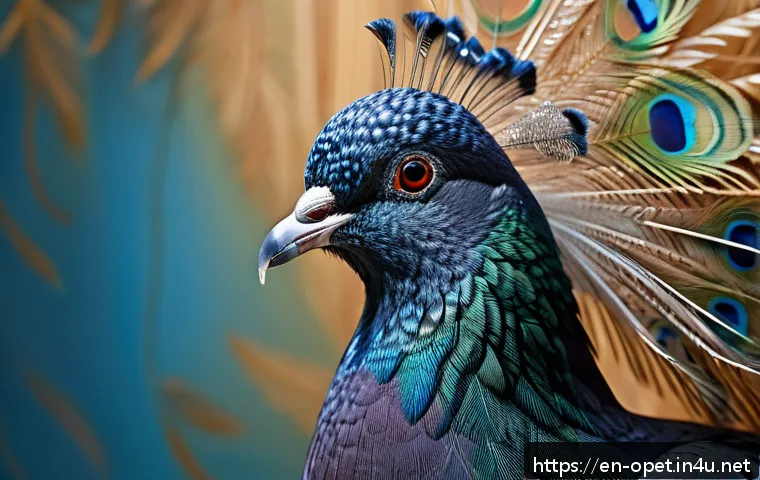
With the growing fascination for exotic and domestic birds alike, pigeon breeds have captured the curiosity of many enthusiasts around the world. From their striking feather patterns to unique behavioral traits, these birds offer a surprising depth of variety that often goes unnoticed.
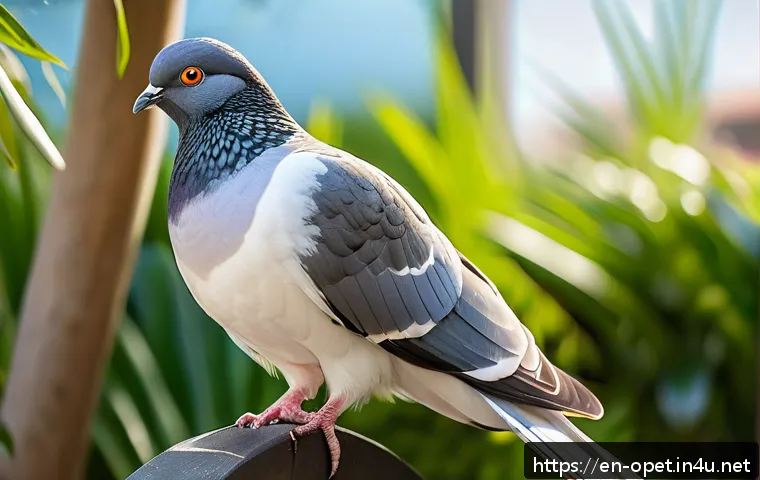
Whether you’re a seasoned bird lover or just starting your avian journey, understanding the distinct qualities of different pigeon breeds can truly enhance your appreciation.
Recent trends in avian care and breeding techniques have also brought fresh insights into their fascinating world. Let’s dive into the secrets behind these incredible creatures and uncover what makes each breed uniquely captivating.
Stick around—you might just discover a new favorite to admire!
Exploring the Visual Diversity of Pigeon Plumage
Intricate Feather Patterns That Tell a Story
Pigeon feathers are far more than just a simple covering—they’re a canvas of nature’s artistry. From the delicate lace-like markings of the Jacobin to the bold and iridescent hues of the Indian Fantail, each breed presents a visual narrative that can captivate anyone’s attention.
What fascinates me the most is how some pigeons display color gradients that shift under sunlight, almost as if their feathers are alive. This dynamic coloration often results from microscopic structures rather than pigment alone, adding a layer of complexity that’s easy to overlook at first glance.
It’s like discovering a hidden dimension of beauty every time you get a closer look.
Feather Shapes and Their Functional Charm
Not all pigeon feathers are created equal; the shape and arrangement serve different purposes and contribute to the bird’s personality. For example, the frilled feathers on the Archangel pigeon don’t just look stunning—they also influence flight dynamics subtly, making their movement appear almost balletic.
Then there are breeds like the Modena, whose compact and rounded feathers give them a sleek and muscular look. I’ve noticed that these feather shapes often correlate with the pigeons’ behavior, whether they’re more agile flyers or show birds bred for their ornamental appeal.
The Role of Selective Breeding in Plumage Variety
Selective breeding has played a huge role in expanding the spectrum of pigeon plumage we see today. Breeders have meticulously paired birds to emphasize traits like feather length, curliness, and coloration.
This process sometimes spans generations, and the patience involved is incredible. Personally, I’ve chatted with breeders who shared how they track bloodlines and genetic traits to maintain or enhance specific plumage features.
It’s a fascinating blend of science and art that shows how much dedication goes into these birds’ unique appearances.
Understanding Pigeon Behavior Across Breeds
Communication Styles and Social Dynamics
Pigeons communicate in ways that often go unnoticed if you’re not paying attention. Different breeds have unique cooing patterns and body language, which can indicate everything from mating readiness to territorial disputes.
For instance, the homing pigeon’s persistent and rhythmic coos are quite distinct from the softer, more variable calls of fancy breeds like the Lahore.
Observing these subtle differences has deepened my appreciation for how complex avian social interactions can be, especially considering their long history of coexistence with humans.
Flight Patterns and Their Breeding Influences
Flight behavior varies widely among pigeon breeds, influenced by both genetics and training. Racing Homers are bred for endurance and speed, often covering hundreds of miles with remarkable precision.
On the flip side, breeds like the Trompeter are prized for their aerial acrobatics and unique vocalizations during flight. Watching a flock of these perform their signature maneuvers is like witnessing an aerial ballet, and it’s clear that their flight styles are the result of both natural instincts and selective breeding efforts.
Breeds Known for Their Calm Temperament
While some pigeons are energetic and vocal, others are surprisingly docile, making them excellent companions for indoor aviaries. The American Show Racer, for example, is known for its gentle demeanor and ease around humans.
From my experience, having a calm pigeon breed around makes daily care routines less stressful and even enjoyable. These breeds often thrive in quieter environments and respond well to gentle handling, which is great for newcomers to pigeon keeping.
Breeding Practices That Shape Pigeon Populations
Ethical Considerations in Selective Breeding
Ethics in breeding is a topic that often sparks debate among pigeon enthusiasts. Responsible breeders prioritize the health and well-being of their birds over appearance or performance.
This means avoiding inbreeding, providing ample space, and ensuring nutritional needs are met. From what I’ve gathered talking to experts, the best breeders are those who see their birds as living companions rather than just showpieces.
It’s a refreshing approach that leads to stronger, happier pigeons.
Innovations in Avian Genetics and Health Management
Recent advances in genetics have opened doors to healthier breeding practices. DNA testing now helps identify carriers of hereditary diseases, allowing breeders to make informed decisions that reduce risks.
I’ve seen firsthand how these technologies improve the vitality of pigeon populations, especially in breeds prone to specific health issues. Additionally, modern supplements and tailored diets have enhanced pigeon immunity and feather quality, showing how science can elevate traditional aviculture.
Balancing Aesthetic Goals with Functional Traits
While many breeders focus on aesthetic qualities like feather color or shape, it’s crucial to maintain functional traits such as flight ability and reproductive health.
This balance is something that seasoned breeders strive for, often adjusting their breeding programs to avoid sacrificing one for the other. I’ve had conversations with breeders who explained how sometimes a beautiful feather pattern comes at the cost of reduced stamina, prompting them to rethink pairings to maintain overall breed robustness.
Decoding Pigeon Communication and Social Signals
Body Language: More Than Meets the Eye
Pigeons communicate volumes through their body posture and movements. A puffed-up chest, for example, often signals dominance or courtship, while lowered heads might indicate submission.
When I started observing these subtle cues, it was like unlocking a new language. Each gesture carries meaning that’s crucial for understanding group dynamics, especially in multi-breed aviaries where interactions can be complex.
Vocalizations Unique to Specific Breeds
Beyond the standard cooing, some pigeon breeds have developed unique vocal patterns that serve different purposes. The Trumpeter pigeons, for instance, are named for their distinctive, trumpet-like calls that can carry over long distances.
These vocal traits are often a result of selective breeding and serve as identifiers among enthusiasts. Listening closely to these sounds can reveal the bird’s mood, alertness, or even readiness to mate, making vocalization an essential part of pigeon care.
Social Behavior in Mixed Flocks
Managing a mixed flock of pigeon breeds can be challenging due to differing social behaviors and hierarchies. Some breeds are naturally more territorial, while others are more sociable.
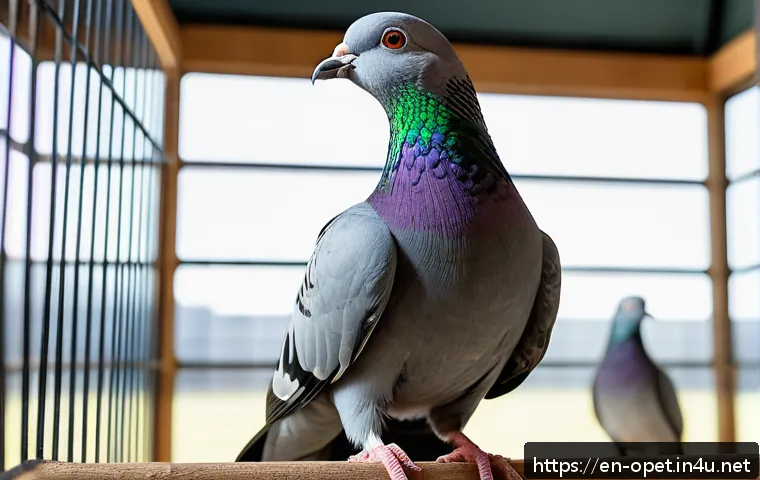
Through trial and error, I found that providing ample space and multiple feeding stations helps reduce conflicts. Understanding each breed’s social tendencies is key to fostering a peaceful environment where all birds can thrive without stress.
Health and Nutrition Tailored for Pigeon Varieties
Breed-Specific Dietary Needs
Not all pigeons thrive on the same diet; nutritional needs can vary based on breed size, activity level, and environmental conditions. Racing Homers, for example, require a protein-rich diet to sustain their intense flight schedules, while ornamental breeds might benefit more from balanced grains and supplements that promote feather quality.
When I adjusted my pigeons’ diets accordingly, I noticed significant improvements in their energy and plumage health.
Common Health Issues and Preventive Care
Certain breeds are predisposed to specific health challenges such as respiratory infections or foot problems due to feathering. Early detection and preventive measures, like regular cleaning and tailored vaccinations, can make a huge difference.
I’ve learned that spending time observing subtle changes in behavior or appearance is essential—catching issues early often means quicker recovery and less stress for both the bird and owner.
Supplements and Natural Remedies That Work
Incorporating supplements such as vitamins, probiotics, and minerals can boost immune function and overall vitality. Personally, I’ve experimented with natural remedies like herbal teas and garlic-infused water, which seem to support respiratory health and reduce parasites.
While these aren’t replacements for veterinary care, they provide an additional layer of wellness support that can be particularly beneficial in breeding or show seasons.
The Role of Pigeons in Culture and History
Symbolism and Mythology Across Civilizations
Pigeons have played symbolic roles in many cultures, representing peace, love, and spirituality. From ancient Mesopotamian carvings to modern peace movements, their image has been a constant.
Learning about this rich cultural backdrop adds a profound layer of meaning when observing these birds. For me, it feels like connecting with a living piece of history every time I watch a pigeon’s gentle coo or graceful flight.
Historical Uses Beyond Messaging
While homing pigeons are famously known for carrying messages, their utility extended into food sources and even competitive sports. Pigeon racing, with roots tracing back centuries, remains a popular and serious sport worldwide.
I’ve met enthusiasts who train their birds like athletes, investing time and resources to hone their performance. This historical context enriches how we see pigeons—not just as pets but as partners in human endeavors.
Pigeons in Modern Urban Ecosystems
Today, pigeons are an integral part of many city landscapes, adapting remarkably well to urban life. Their presence in parks and plazas connects us with nature in unexpected ways.
Observing their behavior amidst the hustle and bustle reveals resilience and adaptability, traits that often get overlooked. From my perspective, appreciating pigeons in urban settings encourages a broader respect for wildlife coexistence.
| Breed | Distinctive Feature | Typical Behavior | Care Consideration |
|---|---|---|---|
| Homing Pigeon | Exceptional navigation skills | Endurance flyer, strong homing instinct | High-protein diet, ample exercise space |
| Jacobin | Feather hood around the head | Calm, show-oriented | Requires gentle handling, clean environment |
| Indian Fantail | Large, fan-shaped tail feathers | Social, moderately active | Space for tail display, balanced diet |
| Trumpeter | Unique trumpeting vocalization | Vocal, aerial acrobatics | Regular health checks, enriched environment |
| American Show Racer | Sleek body, calm demeanor | Docile, good with humans | Indoor aviary suitable, consistent routine |
Creating the Ideal Environment for Pigeon Well-being
Designing Aviaries That Support Natural Behaviors
A well-designed aviary is more than just a cage; it’s a habitat that encourages natural behaviors like flying, foraging, and social interaction. I’ve found that including perches at varying heights and natural sunlight dramatically improves the mood and activity levels of my pigeons.
Providing nesting areas that cater to specific breed preferences also fosters successful breeding and chick rearing. These environmental enrichments contribute to healthier and happier birds.
Managing Climate and Seasonal Changes
Pigeons are surprisingly sensitive to environmental changes, especially temperature and humidity shifts. During colder months, certain breeds with less dense plumage need extra care like insulated housing or supplemental heat.
Conversely, hot climates require ample shade and hydration strategies to prevent heat stress. From my experience, adapting the living conditions seasonally can prevent many common health issues and improve overall vitality.
Integrating Technology for Monitoring and Care
Modern technology has transformed pigeon care, from automated feeders to environmental sensors that track temperature and humidity. I recently incorporated a smart monitoring system that alerts me to any sudden changes, allowing prompt intervention.
This proactive approach has minimized stress and improved health outcomes. Technology doesn’t replace hands-on care but certainly complements it by providing valuable data and convenience.
Concluding Thoughts
Exploring the diversity of pigeon plumage and behavior reveals a fascinating blend of nature’s artistry and human influence. Each breed offers unique traits that tell stories of history, genetics, and careful breeding. Understanding these aspects not only deepens our appreciation but also enhances the care we provide. Whether you’re a seasoned breeder or a curious enthusiast, there’s always more to discover in the world of pigeons.
Useful Information to Keep in Mind
1. Proper diet tailored to each breed’s needs is essential for maintaining health and vibrant plumage.
2. Observing subtle behavioral cues can improve communication and reduce stress among pigeons.
3. Ethical breeding practices ensure the long-term well-being and vitality of pigeon populations.
4. Seasonal adjustments in housing and care help prevent common health issues related to climate.
5. Integrating modern technology can enhance monitoring and improve overall pigeon management.
Key Takeaways
Recognizing the importance of both aesthetics and functionality in pigeon breeding is vital for sustainable care. Breeders should prioritize ethical standards and health management alongside visual traits. Attention to social dynamics and environmental enrichment supports natural behaviors and reduces conflicts. Lastly, staying informed about advancements in genetics and nutrition can significantly elevate the quality of life for pigeons in any setting.
Frequently Asked Questions (FAQ) 📖
Q: uestions about Pigeon BreedsQ1: What are some of the most popular pigeon breeds for beginners?
A: If you’re just starting out, I’d recommend breeds like the Racing Homer or the Utility King. Racing Homers are not only beautiful but also known for their homing ability, making them fascinating to watch.
Utility Kings, on the other hand, are hardy and easier to care for, which is perfect if you’re still learning the ropes. From my own experience, these breeds strike a nice balance between charm and manageability, helping beginners build confidence without overwhelming them.
Q: How do different pigeon breeds vary in behavior and care requirements?
A: It’s amazing how diverse pigeons can be! Some breeds, like Tumblers, are known for their acrobatic flight patterns, requiring more space and exercise opportunities.
Fancy breeds often have delicate feathering or unique postures, which means they might need extra grooming or specialized diets. When I started keeping Fantails, I noticed they demanded a bit more attention because their feathers are prone to damage.
So, understanding a breed’s natural habits and needs really makes a difference in providing the right care.
Q: Are there any new trends in pigeon breeding or care that enthusiasts should know about?
A: Definitely! One exciting trend is the growing emphasis on genetic health screening to reduce hereditary issues, which wasn’t common a few years ago. Also, many breeders now use digital record-keeping and even apps to track lineage and health data, making breeding more precise and informed.
Personally, I found that adopting these tech-savvy methods improved the health and quality of my birds noticeably. Plus, there’s a rising interest in sustainable feeding practices, like incorporating organic grains, which benefits both the pigeons and the environment.