Deciding to spay or neuter your rabbit is an important step in responsible pet ownership. Beyond preventing unwanted litters, this surgery can significantly improve your bunny’s health and behavior.

Many rabbit owners notice a calmer, more affectionate companion after the procedure. It also helps reduce the risk of certain cancers and aggressive tendencies.
While the idea of surgery might feel overwhelming, understanding its benefits can make the decision easier. Let’s dive deeper and explore everything you need to know about rabbit spaying and neutering!
The Health Perks You Might Not Expect
Lowering Cancer Risks
Spaying or neutering your rabbit dramatically reduces the chances of developing reproductive cancers. For female rabbits, uterine cancer is a common and serious threat, especially as they age.
When spayed early, this risk virtually disappears because the uterus and ovaries are removed entirely. On the male side, neutering lowers the likelihood of testicular cancer and can prevent prostate issues.
From my experience, rabbit owners who’ve chosen this surgery often report fewer vet visits for these health concerns, leading to less stress and better quality of life for their pets.
Decreasing Aggression and Territorial Behaviors
Rabbits can become quite territorial and aggressive, particularly intact males. Neutering helps tone down this behavior, making your bunny more sociable and easier to handle.
I noticed this firsthand with my own rabbit, who was quite nippy before neutering but turned into a cuddly companion afterward. This change not only improves your relationship but also reduces the risk of injuries from fighting if you have multiple rabbits.
Improved Longevity and Overall Wellness
Beyond cancer prevention and behavior improvements, spaying and neutering contribute to your rabbit’s overall health and longevity. The surgery helps stabilize hormone levels, which can reduce stress on the body and prevent complications related to hormonal imbalances.
Many owners find their rabbits are more energetic and maintain a healthier weight post-surgery, likely due to reduced anxiety and improved metabolism.
Timing and Age: When to Consider Surgery
Optimal Age for Surgery
The ideal age for spaying or neutering is typically around 4 to 6 months old. At this stage, rabbits have developed enough for the surgery to be safe but haven’t yet reached sexual maturity, which helps prevent unwanted behaviors from becoming established.
Waiting too long can increase risks during surgery and allow problematic habits to take root.
Considerations for Older Rabbits
While younger rabbits are preferred candidates, older bunnies can still benefit from spaying or neutering. Vets will assess the overall health and perform blood work to ensure your rabbit can safely undergo anesthesia.
In some cases, the benefits of reducing cancer risk and improving temperament outweigh the surgical risks, especially if your rabbit is showing signs of hormone-driven aggression or health issues.
Signs It’s Time for Surgery
If your rabbit has started marking territory, becoming aggressive, or if you notice signs of reproductive health problems like unusual discharge or lumps, it might be time to consult your vet about surgery.
Early intervention can prevent more serious complications down the line and improve your bunny’s comfort and behavior.
What to Expect During the Procedure
Pre-Surgery Preparation
Before surgery, your vet will likely perform a thorough physical exam and possibly blood tests to check your rabbit’s organ function and overall health.
You’ll be instructed to withhold food for a few hours prior, though water is usually allowed. It’s important to keep your bunny calm and comfortable during this time to reduce stress, which can impact anesthesia safety.
During the Operation
Spaying and neutering are typically done under general anesthesia. The vet makes a small incision—on the abdomen for females and near the scrotum for males—to remove reproductive organs.
The procedure usually lasts around 30 to 60 minutes. Experienced vets take special care to minimize blood loss and monitor vital signs closely throughout the process.
Post-Op Recovery at Home
Recovery time varies but generally lasts about 10 to 14 days. During this period, your rabbit needs a quiet, stress-free environment and limited activity to allow proper healing.
You’ll need to check the incision site daily for signs of infection such as redness, swelling, or discharge. Pain management is crucial; your vet will prescribe medication to keep your bunny comfortable.
I found that offering favorite treats and gentle petting helped my rabbit relax during recovery.
Behavioral Changes After Surgery
Calmness and Affection
Most rabbit owners notice a distinct shift in their pet’s demeanor post-surgery. The hormone-driven restlessness and irritability often fade, replaced by a more relaxed and affectionate bunny.
This change can make bonding easier and enhance the overall pet-owner experience.
Reduced Marking and Mounting
Intact rabbits frequently engage in marking territory with urine or mounting behaviors, which can be frustrating in the home environment. Neutering or spaying usually curtails these behaviors significantly.
I remember how my rabbit used to spray everywhere, but after neutering, the behavior disappeared almost overnight.
Improved Social Interactions
If you have multiple rabbits, spaying and neutering can help reduce fighting and territorial disputes. This often allows for safer bonding and cohabitation.
Rabbits become more tolerant and even playful with their companions, which is a joy to watch.
Common Concerns and Myths Debunked
Will Surgery Change My Rabbit’s Personality?
Many people worry that spaying or neutering will alter their rabbit’s unique personality. In reality, the surgery often reveals a calmer, happier version of their true self.
It doesn’t erase personality but rather removes the hormonal fluctuations that cause stress or aggression.
Is the Surgery Risky?
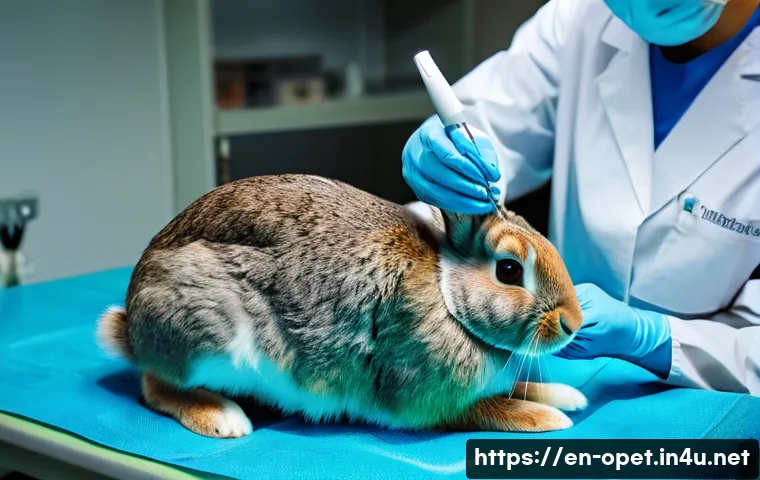
While any surgery carries some risk, modern veterinary medicine has made spaying and neutering quite safe for rabbits. Using experienced vets and following pre- and post-op care instructions minimizes complications.
Personally, the peace of mind and health benefits far outweigh the small risks involved.
Will My Rabbit Gain Weight After Surgery?
Weight gain can happen if activity levels drop post-surgery, but it’s not inevitable. By maintaining a balanced diet and encouraging gentle exercise, you can keep your bunny fit.
I make it a point to engage my rabbit in play sessions to prevent extra pounds from creeping on.
Cost and Long-Term Investment
Upfront Costs vs. Long-Term Savings
Spaying or neutering can seem expensive initially, with prices ranging from $100 to $300 depending on your location and vet expertise. However, this upfront investment often saves money in the long run by preventing costly health issues and unwanted litters.
Choosing the Right Veterinarian
Finding a vet who specializes in rabbits or has extensive experience is crucial. A skilled professional ensures the procedure is done safely and offers quality aftercare advice.
I always recommend asking for referrals or reading reviews from other rabbit owners before deciding.
Financial Assistance Options
Many communities offer low-cost spay/neuter clinics or financial aid for pet owners struggling with expenses. It’s worth researching local resources or animal welfare organizations that can help offset costs, making this essential surgery accessible to more owners.
| Aspect | Benefits | Considerations |
|---|---|---|
| Health | Reduces cancer risk, prevents reproductive diseases | Requires anesthesia, recovery period needed |
| Behavior | Calmer temperament, less aggression, reduced marking | May need behavior adjustment time post-surgery |
| Timing | Best done before sexual maturity (4-6 months) | Older rabbits may need health screening |
| Cost | Prevents costly health problems, avoids unwanted litters | Initial surgery cost, potential vet visits for follow-up |
| Recovery | Generally quick healing with proper care | Requires monitoring and restricted activity |
How to Support Your Rabbit Through the Process
Creating a Comfortable Recovery Space
After surgery, your bunny needs a quiet, warm, and cozy area to rest. I usually set up a small pen with soft bedding, easy access to food and water, and limited distractions.
This helps reduce stress and encourages healing. Avoiding loud noises and excessive handling during the first few days is crucial.
Monitoring for Complications
Keep a close eye on the incision site and your rabbit’s general behavior. Any signs of swelling, bleeding, or lethargy warrant an immediate vet visit.
From personal experience, quick action can prevent minor issues from turning serious.
Maintaining a Routine for Comfort
Rabbits thrive on routine, so try to keep feeding times and play sessions consistent during recovery. Gentle interaction helps your bunny feel safe and loved, which can speed up healing.
I found that speaking softly and offering treats also reassured my rabbit during this vulnerable time.
Long-Term Lifestyle Changes Post-Surgery
Diet Adjustments
Post-surgery, rabbits may become less active, so monitoring their diet is essential to prevent weight gain. High-fiber foods like hay should remain the staple, with limited pellets and treats.
Adjusting portion sizes while ensuring balanced nutrition supports healthy weight management.
Exercise and Mental Stimulation
Encouraging regular exercise is key to keeping your rabbit fit and happy after surgery. Interactive toys, safe play areas, and social time with you or other rabbits promote physical and mental health.
I make it a point to introduce new toys or rearrange their space to keep things interesting.
Regular Vet Check-Ups
Even after spaying or neutering, regular vet visits help monitor your rabbit’s health and catch any potential issues early. Establishing a good relationship with your vet ensures your bunny receives the best care throughout its life.
This ongoing attention contributes to a longer, happier life for your furry friend.
Wrapping Up
Spaying or neutering your rabbit offers a range of health and behavioral benefits that greatly enhance their quality of life. From reducing cancer risks to promoting a calmer temperament, this procedure supports your bunny’s well-being in many ways. With proper timing, care, and support, you can ensure a smooth experience for both you and your furry friend. Ultimately, it’s a decision that brings peace of mind and a happier, healthier pet.
Useful Information to Keep in Mind
1. The best time to spay or neuter your rabbit is between 4 to 6 months old to avoid early behavioral issues and minimize surgical risks.
2. Post-surgery recovery requires a quiet, comfortable space with limited activity to help your rabbit heal properly.
3. Behavior improvements like reduced aggression and marking typically appear within days or weeks after surgery.
4. Maintaining a balanced diet and regular exercise post-surgery is essential to prevent weight gain and keep your rabbit healthy.
5. Regular veterinary check-ups after the procedure ensure your rabbit stays in good health and any concerns are caught early.
Key Takeaways
Choosing to spay or neuter your rabbit is a proactive step that prevents serious reproductive diseases and curbs unwanted behaviors. While surgery carries some risks, selecting a knowledgeable vet and following proper care guidelines greatly reduce complications. Supporting your rabbit throughout recovery and adjusting lifestyle habits afterward contribute to their long-term happiness and health. Ultimately, this investment in your pet’s well-being pays off with a more peaceful home and a longer, healthier life for your bunny.
Frequently Asked Questions (FAQ) 📖
Q: At what age should I spay or neuter my rabbit?
A: Most veterinarians recommend spaying or neutering rabbits between 4 to 6 months of age, before they reach sexual maturity. Doing it within this window helps prevent unwanted behaviors and health issues later on.
However, if your rabbit is older, it’s still beneficial to have the surgery done—just make sure to consult with a vet experienced in rabbit care to assess any risks based on age and health.
Q: What are the health benefits of spaying or neutering my rabbit?
A: Spaying female rabbits dramatically lowers the risk of uterine cancer, which is unfortunately common in unspayed does as they age. Neutering males can reduce aggressive behaviors and the risk of testicular cancer.
Additionally, both sexes tend to become calmer and less territorial, making them easier to handle and more affectionate companions. From my experience, after neutering, my rabbit became noticeably more relaxed and sociable.
Q: Is the surgery risky for rabbits, and how is the recovery process?
A: While any surgery carries some risk, spaying and neutering rabbits are routine procedures when performed by a skilled vet. Rabbits do require careful anesthesia management, but advances in veterinary care have made the process quite safe.
Recovery usually takes about 10 to 14 days, during which your bunny may need a quiet space, pain relief, and close monitoring to prevent complications.
I remember after my bunny’s surgery, providing gentle care and watching for any signs of discomfort helped him bounce back quickly.