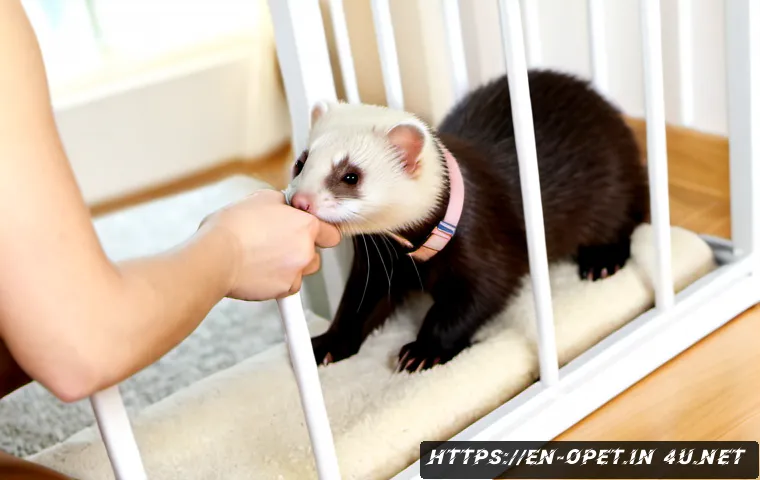
Ferret socialization is safest when you use short, predictable, reward-based interactions and let the ferret choose whether to approach. Home training is often a sensible starting point for mild shyness or overexcitement, but sudden withdrawal, pain signs, appetite changes, unusual lethargy, or escalating defensive behavior deserve veterinary or qualified behavior support.
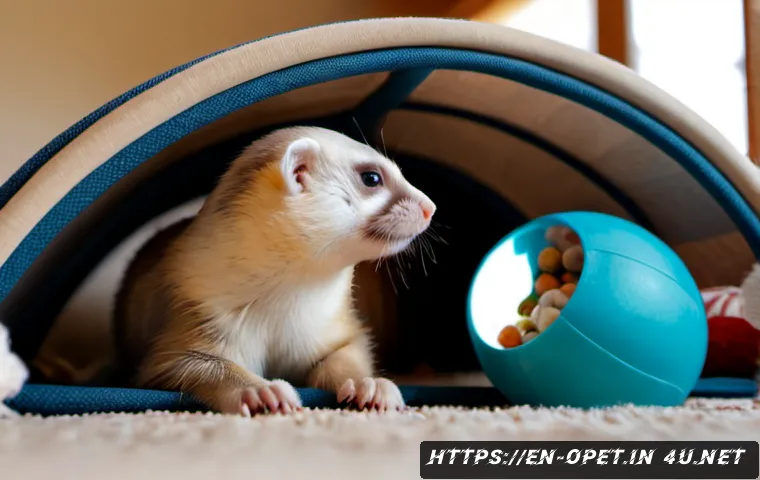
A secure training space and a few simple enrichment supplies can make practice more consistent without turning socialization into a shopping project. The best gear is not necessarily the most elaborate item; it should be escape-resistant, easy to clean, and useful for calm, repeatable sessions.
Introductions to visitors or other animals should move slowly, with supervision and no assumption that every pairing will work. Confidence can vary widely between individual ferrets, so progress is better measured by relaxed choices than by speed.
At a Glance
- Use gradual home training when your ferret can settle, take a ferret-safe treat, and choose brief contact without clear stress signals.
- Upgrade the setup with a secure playpen, tunnel, carrier, or enrichment toy when you need safer, more repeatable practice sessions.
- Seek veterinary or behavior support when behavior changes suddenly or social withdrawal comes with pain signs, appetite changes, or unusual lethargy.
| Option | Best For | What It Helps With | Key Check Before Choosing |
|---|---|---|---|
| Calm home training | Mild shyness, new routines, basic handling practice | Positive associations with people and brief contact | Can the ferret remain calm enough to choose engagement? |
| Secure playpen and washable bedding | Controlled sessions in a busy home | Clear boundaries, a familiar resting spot, easier cleanup | Is the enclosure escape-resistant and suitable for supervised use? |
| Tunnel, preferred toy, or puzzle-style enrichment | Ferrets that need a lower-pressure way to engage | Confidence building through exploration and play | Can it be used safely and cleaned easily? |
| Carrier practice | Ferrets uneasy about transport or transitions | A predictable retreat and calmer handling routine | Does the carrier close securely and allow comfortable supervised practice? |
| Exotic-animal veterinary or behavior help | Sudden changes, possible pain, repeated defensive behavior | Assessment when home practice may not explain the problem | Does the provider have relevant exotic-pet experience? |
The Safe Starting Point: Build Trust Before Asking for Interaction
The first goal is not to make a ferret tolerate more handling. It is to create a routine where the ferret learns that people are predictable, calm, and worth approaching. Ferrets are social and curious, but their comfort with handling can vary widely. A shy ferret may need more space, while an overexcited one may need clearer, calmer boundaries.
A Quick Three-Step Plan for Calmer Daily Contact
First, be present without pursuing. Sit near the ferret’s safe area or supervised play space. Let the ferret investigate, hide, explore, or simply watch you. Avoid reaching in repeatedly just to test whether they are ready.
Second, pair calm contact with something valued. A small ferret-safe treat or access to a preferred toy can help create a positive association with your presence and gentle handling. Offer the reward when the ferret approaches calmly or accepts a brief, relaxed interaction.
Third, end while the interaction is still going well. Short, predictable sessions are generally less overwhelming than prolonged forced contact. A session that ends with the ferret returning to the floor calmly is more useful than one that continues until the ferret tries to escape.
Body-Language Signs That Mean “Continue,” “Slow Down,” or “Stop”
Look at the whole picture rather than one isolated behavior. A ferret that voluntarily approaches, explores nearby, takes a treat, or returns after moving away may be ready for another small step. Those are useful signs to continue at the same gentle pace.
Slow down if the ferret becomes distracted by escape routes, moves away repeatedly, or appears less comfortable as contact continues. Give more room, shorten the interaction, and return to an easier step next time.
Stop and create distance when you see hiding, repeated escape attempts, hissing, defensive biting, a flattened posture, or tense body movement. These signs do not tell you the exact cause, but they do tell you that pressure is not helping in that moment.
Why Choice-Based Handling Builds Confidence More Reliably Than Chasing or Restraining
Choice-based handling means the ferret has a clear path to approach, leave, and return. This can be as simple as allowing the ferret to come toward your hand before you offer a brief lift, then returning them to the floor before they struggle. The message is simple: contact does not remove control forever.
Chasing a hiding ferret around a room or restraining one to “get them used to it” can turn your presence into something to avoid. Use a tunnel, familiar bedding, or a secure playpen to make the environment easier to manage instead of using your hands to force a result.
Training Tools and Support Options: What Is Worth Buying or Booking?
Supplies should support a safer routine, not replace one. Start with the few items that make training controlled, cleanable, and escape-resistant. Add optional enrichment gear only when it solves a real issue in your household, such as chaotic play sessions, difficult transitions, or a lack of quiet space.
Essential Low-Cost Supplies for Controlled Practice Sessions
A small supply set can be enough for many home sessions: a ferret-safe treat kept ready in a treat pouch or small container, washable bedding, a preferred toy, and a calm supervised area. A familiar bedding item can give a hesitant ferret a known place to retreat. A treat pouch can keep rewards available without interrupting the moment to search through a cupboard.
Choose items you can keep clean and use consistently. The training value comes from the routine: the same calm space, the same gentle approach, and the same predictable end to the session.
When a Secure Playpen, Carrier, Tunnel, or Puzzle Toy Adds Real Value
A secure playpen can be useful when open-room practice creates too many escape routes, distractions, or unsafe places to hide. It can give the ferret room to move while helping you avoid chasing. Check for escape resistance, secure closures, and a setup that can be supervised.
A carrier can become a familiar, low-pressure place for resting or transitions when introduced calmly. Rather than bringing it out only when something stressful happens, include it in gentle routine practice with familiar bedding or a preferred toy.
Tunnels and enrichment toys can help a reserved ferret interact through exploration instead of direct touch. For an overexcited ferret, they can redirect energy into a more appropriate activity before you attempt handling. Consider cleanability, durability, and whether the item supports safe supervised play.
When to Consider an Exotic-Animal Veterinarian or Qualified Behavior Professional
A veterinary check may be appropriate if social withdrawal appears suddenly or occurs alongside pain signs, appetite changes, or unusual lethargy. It is not possible to determine from behavior alone whether fear, environment, pain, illness, socialization history, or another factor is involved.
A qualified exotic-pet behavior professional may be worth considering when defensive biting continues, household management is difficult, or you need a structured plan for visitors or other pets. Before booking, ask about the provider’s experience with ferrets, how they assess the home environment, and whether their approach relies on gradual, reward-based handling rather than forced exposure.
A Step-by-Step Routine for People, Handling, and Gentle Play
Keep the routine simple enough that every household member can follow it. Consistency matters because mixed messages can make a cautious ferret less sure of what will happen next. The practical target is not constant handling; it is calm, voluntary cooperation in small moments.
Start With Calm Presence and Treat-Based Associations
Begin in a quiet, supervised area. Let the ferret explore while you sit nearby and avoid sudden reaching. When the ferret comes near calmly, offer a small ferret-safe treat or access to a preferred toy. If the ferret moves away, allow that choice rather than following.
Repeat this pattern across short sessions: calm person, optional approach, positive outcome, no pressure. If the ferret is hiding or repeatedly trying to escape, make the next session easier by increasing distance or reducing activity around the training area.
Progress From Voluntary Approach to Brief Lifts and Return-to-Floor Practice
When the ferret is comfortably approaching, introduce very brief handling. Support the body gently, lift only for a short moment, then return the ferret to the floor before tension builds. Follow with a positive association if the ferret remains calm.
If the ferret stiffens, struggles, hisses, or bites defensively, do not turn it into a contest of endurance. End the attempt safely and return to approach-and-reward practice. The exact pace cannot be predicted; individual comfort levels vary widely.
Teach Visitors How to Interact Without Overwhelming the Ferret
Visitors should be given a simple rule: let the ferret come to you. Ask them to sit calmly, keep movements slow, and avoid reaching into a hiding space. A visitor can offer a ferret-safe treat or present a toy at a comfortable distance, but should not insist on holding the ferret.
For a ferret that becomes anxious around guests, a familiar carrier, tunnel, bedding area, or secure playpen can provide a quieter option. Socialization does not require greeting every visitor. A calm retreat is often the better outcome.
Common Socialization Mistakes That Can Set Training Back
Many setbacks come from asking for too much too soon. The fix is usually not stricter handling. It is reducing pressure, improving the environment, and returning to a step the ferret can handle without obvious stress.
Forcing Contact When the Ferret Is Hiding or Signaling Stress

A hiding ferret is communicating a need for distance. Pulling them from a hiding spot or repeatedly reaching after them can make hiding more valuable and people less predictable. Instead, make a safe, supervised training area where you can limit unsafe access without cornering the ferret.
If you need to move the ferret for practical reasons, aim for the least stressful option available and then rebuild positive associations later. Do not treat a necessary move as a training test.
Confusing Rough Play With Fear, Pain, or Defensive Biting
Ferrets can play roughly, and playful interaction can look intense. However, repeated escape attempts, tense movement, hissing, flattened posture, or defensive biting indicate a need to slow down. You cannot reliably identify the underlying cause from one behavior alone.
For a mouthy young ferret, redirect toward an appropriate toy and lower the level of excitement before handling resumes. If biting appears fearful, escalates, or accompanies other changes, consider veterinary or qualified behavior guidance rather than assuming it is only play.
Introducing Unfamiliar Pets Without Safe Separation and Supervision
Do not assume that a ferret will be compatible with a dog, cat, or another ferret. Introductions to unfamiliar animals should be gradual and supervised. Start with management that keeps animals safely separated while you observe their responses.
Use secure barriers, separate spaces, and controlled sessions rather than immediate free access. Compatibility cannot be guaranteed, even when early meetings appear calm. Keep the option of permanent separation in mind if interactions do not remain safe.
Adjust the Plan for Shy Rescues, Young Ferrets, and Multi-Pet Homes
The same principles apply across situations, but the setup should match the challenge. A shy rescue may need less direct interaction. A young, mouthy ferret may need better redirection. A multi-pet home may need stronger environmental management before any face-to-face contact is considered.
A Slower Confidence Plan for Fearful or Recently Rehomed Ferrets
For a fearful or recently rehomed ferret, prioritize predictable routines and a reliable retreat area. Start with calm presence near the ferret’s space. Use treats or a preferred toy to reward voluntary approach, not to lure the ferret into being trapped or held.
Keep handling goals modest at first. A ferret choosing to come out, explore near you, or take a reward can be meaningful progress. Avoid comparing that pace to another ferret’s behavior.
Redirecting Nipping and Overexcitement in Younger Ferrets
Young ferrets may become highly excited during play and use their mouths more than expected. Keep a suitable toy available so you can redirect attention away from hands. When the energy level rises, shift toward a calmer activity or pause the interaction rather than escalating the game.
Use consistent household rules. If one person encourages hand-focused rough play while another expects gentle contact, the ferret receives conflicting information. A tunnel, toy, or controlled playpen session can provide a more repeatable outlet for active play.
Managing Scent, Space, and Supervised Contact Around Other Household Animals
In a multi-pet home, create separate, secure areas first. Let each animal maintain access to rest, food, and retreat spaces without pressure. Supervised contact should be gradual, and a secure barrier may be more appropriate than direct interaction at the beginning.
Watch for stress signals from the ferret and the other animal. Do not continue simply because the household hopes the pets will become friends. The safe plan is the one that protects each animal’s space and does not assume compatibility.
Choosing the Right Support and Supplies: A Decision-Stage Comparison
Before buying more equipment or booking support, identify the actual obstacle. Is the issue a lack of a controlled training space, too much stimulation, transport discomfort, sudden behavior change, or uncertainty about interactions with another pet? The right answer may be a simple routine adjustment rather than a larger purchase.
Home Training Versus Professional Help: Practical Selection Criteria
- Choose home training first when the ferret can take a reward, recover after brief uncertainty, and show some voluntary interest in people or play.
- Consider enrichment upgrades when the environment makes calm practice difficult and a playpen, tunnel, carrier, or washable resting area would create safer structure.
- Consider veterinary input when withdrawal is sudden or paired with pain signs, appetite changes, or unusual lethargy.
- Consider qualified behavior support when defensive behavior persists, family members cannot follow a consistent plan, or multi-pet management requires tailored guidance.
Product Checklist: Safety, Cleanability, Size, Escape Resistance, and Enrichment Value
- Does the item have secure closures and an escape-resistant design?
- Can it be cleaned easily after routine use?
- Does it provide enough usable space for the intended supervised activity?
- Will it reduce chasing, crowding, or overstimulation during training?
- Can the ferret enter, explore, or rest in it without being forced?
- Does it add a practical enrichment benefit rather than duplicate an item you already use successfully?
Questions to Ask Before Paying for a Consultation or Buying New Equipment
- What specific training problem will this product or service help me manage?
- Does the behavior provider have experience with ferrets or other exotic pets?
- Will the plan include gradual, reward-based steps and household management?
- What safety checks should I make before using this playpen, carrier, tunnel, or toy?
- Can I use this item repeatedly in a way that supports calm, short sessions?
Selection Criteria and Comparison Summary
Choose home-based training when your ferret can engage voluntarily and the challenge is mild or situational. Choose a secure playpen, carrier, tunnel, washable bedding, or enrichment toy when it improves safety, structure, or calm exploration. Prioritize escape resistance, cleanability, usable space, and a clear training purpose over novelty. Consider veterinary evaluation for sudden changes or possible health-related concerns, and compare behavior services by relevant exotic-pet experience and reward-based methods. For product specifications, safety details, and service terms, check the relevant product or provider page before deciding.
In Closing
Good ferret socialization is built through small, repeatable moments of safety. Let the ferret approach when possible, reward calm choices, and keep sessions brief enough to end well. Avoid forcing contact when stress signals appear. When behavior changes suddenly or home training does not feel safe or manageable, professional guidance can help you choose the next step more carefully.
Useful Things to Know
1. Social does not always mean eager to be held; individual handling comfort can differ widely.
2. A quiet retreat area is part of socialization because it gives the ferret a way to regulate distance.
3. Play can be rough, so assess body language and context rather than assuming every nip has the same meaning.
4. A secure, familiar carrier can be useful for calm routine practice, not only for transport.
Important Notes
The time needed for a ferret to become comfortable with people, visitors, handling, or other pets cannot be predicted. Compatibility between individual animals cannot be assumed, even with gradual introductions. Fearful or biting behavior can have different causes, including environmental factors or possible health concerns, and behavior alone cannot confirm the cause. Seek veterinary advice when sudden social withdrawal occurs with pain signs, appetite changes, or unusual lethargy.
Frequently Asked Questions
Q1. How long does it take to socialize a ferret that is scared of people?
A1. There is no fixed timeline. Individual confidence levels and comfort with handling vary widely. Focus on whether the ferret can gradually choose to approach, take a ferret-safe treat, explore calmly, or tolerate brief contact without clear stress signals. Short, predictable sessions are generally less overwhelming than forced interaction.
Q2. What supplies are most useful for ferret socialization training at home?
A2. Useful basics include a ferret-safe treat, a preferred toy, washable bedding, and a calm supervised area. A secure playpen can help create boundaries, while a tunnel, carrier, or enrichment toy may add value when they make practice safer and more repeatable. Choose products based on safety, cleanability, escape resistance, and practical use in your routine.
Q3. Is it safe to introduce a ferret to a dog, cat, or another ferret?
A3. Introductions to unfamiliar animals should be gradual and supervised, with safe separation available. Do not assume compatibility based on species or an early calm interaction. Watch for stress signals, manage space carefully, and keep animals separated if interactions do not remain safe.