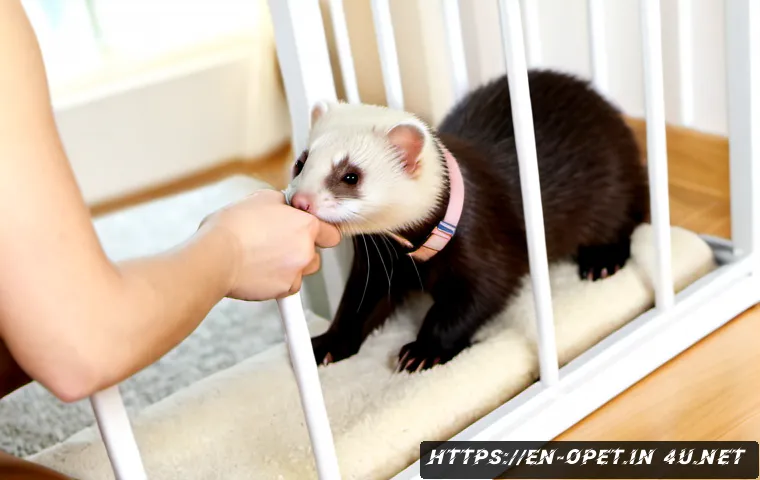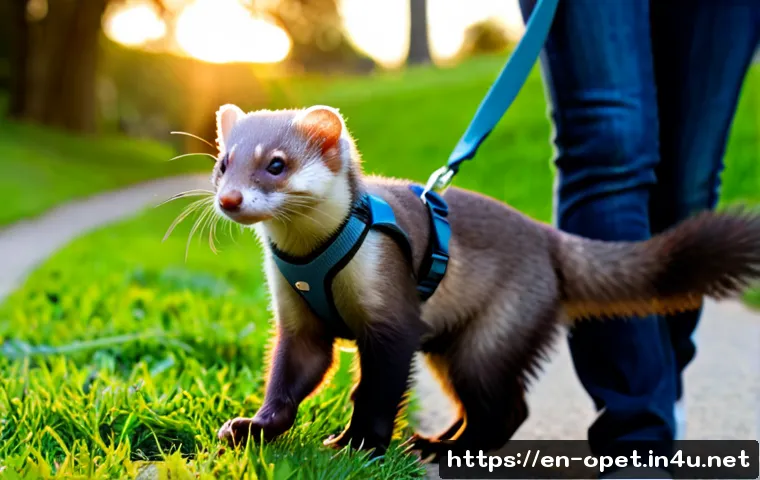
A ferret should be walked on a secure, well-fitted harness with a lightweight lead, not on a collar. The best setup is the one your ferret cannot easily slip out of and can tolerate during short, supervised outings.
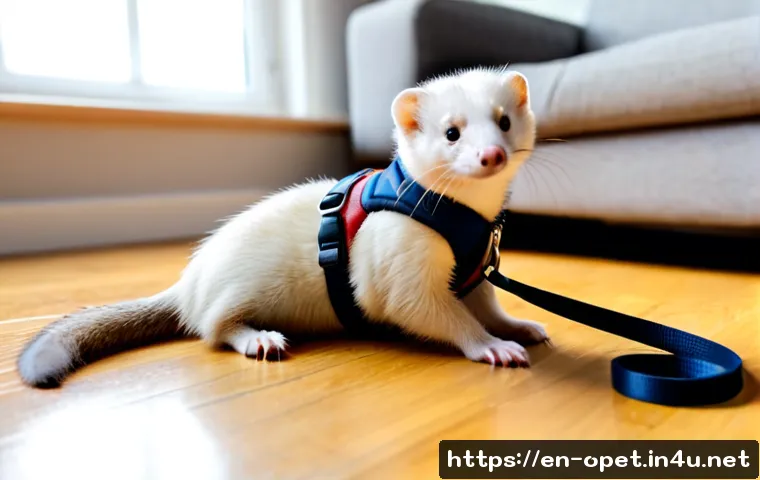
H-style, vest-style, and adjustable harnesses each offer different trade-offs in fit, coverage, and ease of use. For first-time buyers, adjustability and a reliable buckle matter more than appearance.
Start indoors, check the fit often, and treat outdoor exploration as optional rather than necessary. Local pet-access rules, vaccination requirements, weather, and the individual ferret’s temperament should all be checked before heading outside.
At a Glance
- Choose a harness over a collar: a collar can put pressure on a ferret’s neck and is not usually the preferred walking restraint.
- Prioritize a secure fit over style: flexible ferrets may slip out of a poorly fitted harness.
- Keep walks short and supervised: outdoor hazards, fear, and escape risks can change quickly.
| Harness Type | Ideal Use | Adjustment Range | Lead Compatibility | Value Consideration |
|---|---|---|---|---|
| H-style harness | Owners who want a light, simple setup | Often depends on strap design | Usually paired with a lightweight clip-on lead | Worth considering when fit can be adjusted securely |
| Vest-style harness | Ferrets that may benefit from broader body coverage | Varies by closure and manufacturer sizing | Check the attachment point before buying a lead | Comfort and secure closures may justify a higher price |
| Adjustable harness | Growing ferrets or ferrets whose weight changes | Usually the main buying advantage | Match the lead clip to the harness ring or attachment point | Can offer better long-term value if the fit remains reliable |
The Safest Starting Point for Walking a Ferret
The safest starting point is a secure harness-and-lead setup that is introduced indoors before any outdoor walk. A ferret’s body is flexible, so the goal is not simply finding a harness that goes on easily. It is finding one that stays in place without obvious slipping, rubbing, or distress.
Why a Harness Is Usually Safer Than a Collar
A collar can place pressure on a ferret’s neck, especially if the animal pulls, startles, or suddenly changes direction. For walking, a harness spreads restraint across the body instead of concentrating it at the neck. That does not make every harness automatically safe: an overly loose harness may allow an escape, while an overly tight one may be uncomfortable.
The Quick Fit Test Before Leaving Home
Check the straps, buckles, and attachment point every time before leaving. Look for gaps that may let your ferret back out, twisted straps, or closures that do not sit securely. Watch how your ferret moves in the harness indoors. If the harness shifts dramatically, rubs, or seems easy to escape, do not rely on it outdoors.
When Outdoor Walks Are Not the Right Choice
Outdoor time is not suitable for every ferret. A frightened, stressed, unhealthy, or poorly socialized ferret may not enjoy it, and unfamiliar environments can create hazards. Hot pavement, bad weather, unfamiliar dogs, pesticide-treated lawns, wildlife, and traffic are all reasons to skip the walk. A calm indoor activity may be the better choice on that day.
Compare Harness Styles and Lead Options Before Buying
When comparing pet harness and leash options, focus on fit security, adjustment, lead weight, and replacement practicality. A low-cost set is not necessarily poor value, but a harness that cannot be fitted properly may be unsuitable regardless of its price.
H-Style Harnesses: Light and Adjustable
An H-style harness is often appealing because it can be lightweight and may offer adjustment points around the body. Less bulk can reduce drag for a small animal, particularly when paired with a light lead. However, the actual escape resistance depends on the specific strap layout, buckle quality, sizing range, and your ferret’s shape. Confirm the manufacturer’s size guidance rather than assuming a “small pet” label will fit.
Vest-Style Harnesses: Coverage and Comfort Considerations
Vest-style harnesses provide more body coverage than simple straps. Some owners may prefer that wider contact area, especially if their ferret seems bothered by narrow straps. On the other hand, coverage alone does not prove that a vest is more secure. Check how the closures fasten, whether the fabric bunches during movement, and whether the lead attachment point is clearly designed for use with a lead.
Lead Length, Clip Type, Weight, and Hands-Free Options
A lightweight lead can reduce drag and may be easier for a ferret to tolerate. The clip should attach securely to the harness attachment point without adding unnecessary bulk. Choose a length that allows exploration while still giving you close control around hazards. If considering a hands-free option, make sure it does not reduce your ability to respond quickly if your ferret becomes frightened or heads toward a risk.
How to Fit, Train, and Use the Setup Safely
A new ferret harness should be treated as a training item first, not an immediate outdoor-walking tool. Short, positive indoor sessions let you observe comfort and fit without the added pressure of noise, weather, or unfamiliar animals.
Indoor Introduction Steps for a New Harness
Begin in a familiar room. Let your ferret investigate the harness, then put it on briefly and calmly. Keep the first sessions short and remove it if your ferret appears highly stressed. Once your ferret moves normally in the harness, attach the lead indoors for a closely supervised practice session. The aim is calm tolerance, not forced distance walking.
Checking for Slipping, Rubbing, and Stress Signals
Recheck the harness after movement because straps can shift. Pay attention to repeated attempts to back out, obvious rubbing, changes in normal movement, or signs that your ferret is overwhelmed. Young ferrets and ferrets with changing weight need especially regular fit checks. A harness that fit last month may not fit the same way now.
Building From Short Sessions to Calm Outdoor Exploration
Only consider brief outdoor sessions after indoor handling is calm and manageable. Choose a quiet location and a time with fewer distractions. Keep close supervision throughout the outing, and be ready to end the session if your ferret becomes frightened, uncomfortable, or overly focused on escaping.
Outdoor Safety Mistakes That Can Turn a Walk Into an Escape Risk
Most outdoor problems are easier to prevent than to solve. The practical rule is simple: do not depend on equipment alone. Secure fitting, close attention, and sensible location choices work together.

Loose Straps, Retractable Leads, and Unattended Tying
Loose straps are a direct escape concern for a flexible ferret. Before each outing, inspect buckles, strap adjustments, and the lead connection. Avoid any setup that leaves your ferret unattended or tied to an object. If you are comparing lead styles, prioritize control and easy handling over extra range.
Heat, Traffic, Dogs, Toxic Lawn Treatments, and Wildlife
Hot pavement and warm weather can make a short outing unsafe. Traffic, unfamiliar dogs, wildlife, and lawns that may have been treated with pesticides can also create immediate risks. A public park or trail is not automatically ferret-friendly, so check local rules and venue policies before visiting. Local leash, pet-access, and vaccination requirements can vary.
What to Bring for a Short Supervised Outing
Bring only what supports a calm, controlled outing: the properly fitted harness, a compatible lightweight lead, and a safe way to carry your ferret if the environment becomes unsuitable. Before leaving, review the route for pavement heat, dogs, traffic, and places where a frightened ferret could disappear from view.
Choosing the Right Setup for Your Ferret and Your Budget
The right purchase depends on how your ferret moves, how often you expect to use the setup, and whether the harness can stay secure through normal movement. Rather than selecting only by color or a general size label, compare the details that affect everyday safety.
Best Priorities for Escape-Prone Ferrets
For a ferret that frequently backs out of restraints, make secure adjustment points, dependable buckles, and repeated indoor fit testing the top priorities. A product description alone cannot confirm whether a particular harness will be escape-proof for your individual ferret. Check the fit in a controlled indoor space before relying on it outside.
Practical Options for Occasional Versus Frequent Walkers
An occasional walker may only need a comfortable, properly fitted harness and a simple lightweight lead for brief supervised exploration. Frequent users may place more value on durable closures, adjustable straps, and the ability to replace a worn lead without replacing the full set. Check whether replacement leads or compatible accessories are available before committing to a system.
When a Higher-Priced Adjustable Setup Offers Better Value
A higher-priced harness may offer better value when it has useful adjustment, secure hardware, a practical lead attachment, and materials that remain comfortable during regular use. That said, price does not guarantee fit or escape resistance. Compare sizing instructions, material details, return conditions, and replacement options before purchasing.
Selection Criteria and Comparison Summary
Before choosing a ferret harness and lead set, check fit security, adjustment range, buckle reliability, lead weight, material comfort, and return policy. Confirm that the lead is compatible with the harness attachment point and that the product is intended for a small animal of your ferret’s size. If your ferret is growing or changing weight, choose a setup that can be checked and adjusted regularly. For current specifications, sizing guidance, return terms, and replacement-lead availability, review the product details on the relevant retailer or manufacturer page.
Final Thoughts
A good ferret walking setup is less about taking long walks and more about maintaining safe control during short, supervised exploration. Start with a harness rather than a collar, test it indoors, and inspect the fit often. If conditions are hot, busy, unfamiliar, or stressful, staying indoors is a sensible choice. Your ferret’s comfort and ability to remain secure should guide every buying decision.
Useful Things to Know
1. A harness may need readjustment as a young ferret grows or an adult ferret’s weight changes.
2. Lightweight leads may reduce drag for a small animal.
3. A quiet indoor session is the best place to test a new harness.
4. Pet-access and leash rules can differ between parks, trails, and other venues.
5. Outdoor walking is optional; not every ferret will be comfortable outdoors.
Important Notes
No harness model can be confirmed as the safest choice for every ferret without checking the individual fit, manufacturer information, and the ferret’s behavior. Product sizing, materials, escape resistance, availability, prices, and return policies should be verified before purchase. If you are unsure whether your ferret is healthy or temperamentally suited for outdoor activity, seek individualized guidance from an appropriate animal-care professional.
Frequently Asked Questions
Q1. What type of harness is safest for a ferret that tries to back out of restraints?
A1. Look for a harness with secure adjustment points and reliable closures, then test it indoors while closely supervising your ferret. H-style, vest-style, and adjustable designs can all fit differently, so no single model is guaranteed to prevent escape for every ferret. The key is a snug but comfortable fit that does not shift during normal movement.
Q2. Can I use a cat collar or small dog leash to walk my ferret?
A2. A collar is generally not the preferred restraint for walking because it can place pressure on a ferret’s neck. A lightweight lead may be suitable only when it is securely compatible with a properly fitted ferret harness. Check the clip, lead weight, and harness attachment point before use.
Q3. How much should I expect to spend on a ferret harness and lead set?
A3. Prices, availability, and retailer policies vary, so check current listings rather than relying on a fixed amount. Compare the full setup value: adjustment range, secure buckles, material comfort, lead compatibility, return terms, and whether replacement leads are available. A lower initial price may not be the best value if the harness does not fit securely.