Hey there, fellow rabbit enthusiasts and curious pet parents! If you’ve ever welcomed a fluffy bundle of joy into your home, you know they bring so much happiness, but let’s be honest, they also come with a unique set of care needs that can feel a bit overwhelming at first.
I remember when I first brought my sweet bunny, Thumper, home, I was completely smitten. But it wasn’t long before I realized that caring for those adorable little chompers was far more complex than I initially imagined.
Did you know a rabbit’s teeth never stop growing? It’s true! They can grow as much as an inch every single month, which is mind-boggling when you think about it.
This continuous growth means their dental health is absolutely paramount, yet it’s often an area many new owners, and even some seasoned ones, overlook.
From personal experience, I’ve learned that understanding how to keep those teeth in tip-top shape isn’t just about avoiding painful issues like overgrown molars or nasty spurs; it’s about ensuring your bunny stays happy, healthy, and keeps that amazing chewing instinct satisfied.
The good news is that with the right knowledge and a few simple practices, you can prevent a lot of common dental dilemmas. So, if you’re ready to uncover the secrets to a dazzling bunny smile and avoid those unexpected vet visits, let’s dive deeper below!
I’m excited to share all the essential tips and insights with you.
The Unsung Heroes of Bunny Health: Why Chewing Matters More Than You Think
The Ever-Growing Grin: Understanding Rabbit Anatomy
It might sound a little wild, but a rabbit’s teeth are truly a marvel of nature – and a potential headache if not properly managed! Their incisors, those two prominent front teeth, and their molars, way in the back, are constantly growing.
We’re talking about a growth rate that’s honestly hard to wrap your head around, pushing out new tooth material every single day. This is a fundamental difference from our own dental structure, and it’s precisely why their dental care is so unique.
Imagine if your fingernails grew an inch every month, and you *had* to keep them filed down perfectly to eat! That’s essentially what our bunnies are dealing with.
If they don’t have enough to chew on, or if their jaw alignment isn’t quite right, those teeth can become painfully overgrown, leading to sharp points or ‘spurs’ that dig into their cheeks and tongue.
I’ve seen firsthand how quickly a happy, energetic bunny can become lethargic and withdrawn when their mouth is hurting. It’s truly heartbreaking to watch, and it really drives home the point that we, as their caregivers, are their first and best line of defense against dental pain.
A Lifetime of Love: The Joy of Healthy Chewing
Beyond just preventing pain, ensuring your rabbit has plenty of appropriate things to chew on contributes immensely to their overall well-being and happiness.
Chewing isn’t just a chore for them; it’s a natural, instinctive behavior that provides mental stimulation and keeps them engaged with their environment.
A rabbit that can chew freely and comfortably is generally a happier, more playful rabbit. Think about it: they’re essentially built to be chewing machines!
When Thumper is happily crunching away on a fresh pile of hay or gnawing on a willow ball, I can literally feel the peace radiating from him. It’s a sign of contentment and good health.
On the flip side, a bunny that’s not chewing often might be silently suffering, and believe me, you don’t want to get to the point where they’re losing weight or refusing their favorite treats because their mouth is just too sore.
Keeping their teeth in check through consistent chewing means they can enjoy their food, digest it properly, and simply live their best, binkying life!
Decoding the Dental Dilemma: Recognizing the Sneaky Signs of Trouble
Subtle Shifts: Early Warning Signals
Rabbits are masters of disguise when it comes to illness, and dental problems are no exception. They’ll often hide discomfort until it’s quite advanced, which is why we need to be extra vigilant and look for even the subtlest changes in their behavior.
When my first bunny, Pip, started having some issues, I noticed she’d leave tiny bits of food around her bowl, almost like she was trying to eat but couldn’t quite manage it comfortably.
She also started getting a damp chin more often than usual, which I later learned was a sign of drooling from oral pain. Other early indicators can include a slight change in how they pick up food, perhaps tilting their head a bit more, or a reduced appetite for their usually beloved hay.
You might also notice them grooming themselves less thoroughly, leading to a duller coat, or a decrease in their usual energy levels. It’s about paying attention to their routine and spotting anything out of the ordinary, no matter how small it seems.
Trust your gut; if something feels off, it probably is.
When Things Get Serious: Visible Distress and Urgent Care
While catching issues early is ideal, sometimes the signs become undeniably obvious, demanding immediate attention. If you see your bunny actively struggling to eat, dropping food repeatedly, or completely refusing to touch their pellets or hay, that’s a red flag waving vigorously.
Swelling around the jaw, discharge from the eyes or nose (sometimes related to dental abscesses), or even noticeable changes in their facial structure can indicate a severe problem.
A bunny grinding their teeth isn’t always a sign of contentment; sometimes it’s a clear signal of pain, particularly if it’s accompanied by hunching or lethargy.
I once had a friend whose bunny developed a watery eye that just wouldn’t clear up, and it turned out to be an abscess from an overgrown tooth pressing on the tear duct.
These are emergencies. If you observe any of these more severe symptoms, please, don’t delay. Your rabbit is likely in considerable pain and needs to see a vet specializing in exotics as soon as humanly possible.
Waiting can lead to rapid deterioration in their health, as they can go downhill incredibly quickly when they stop eating.
The Hay Day Everyday: Your Bunny’s First Line of Defense
Timothy, Orchard, and Beyond: Choosing the Right Forage
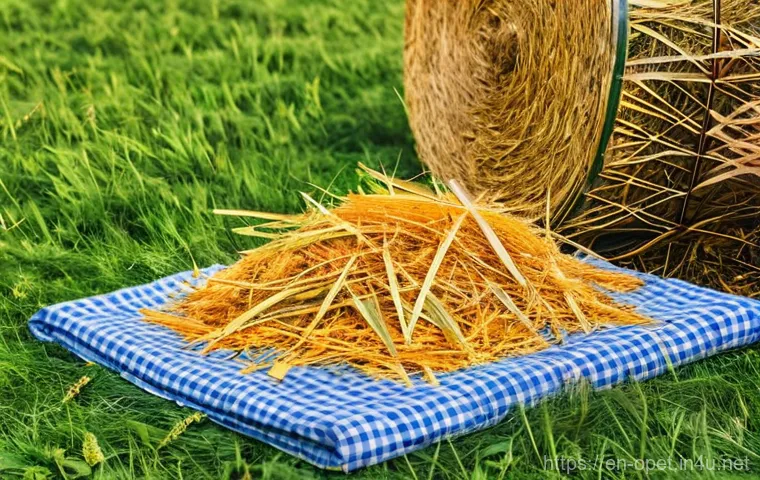
When it comes to rabbit dental health, hay isn’t just good; it’s absolutely essential. It should make up the vast majority, about 80-85%, of your bunny’s daily diet.
The constant grinding motion required to chew long-strand, fibrous hay is what naturally wears down their continuously growing teeth, preventing those painful overgrowths and spurs.
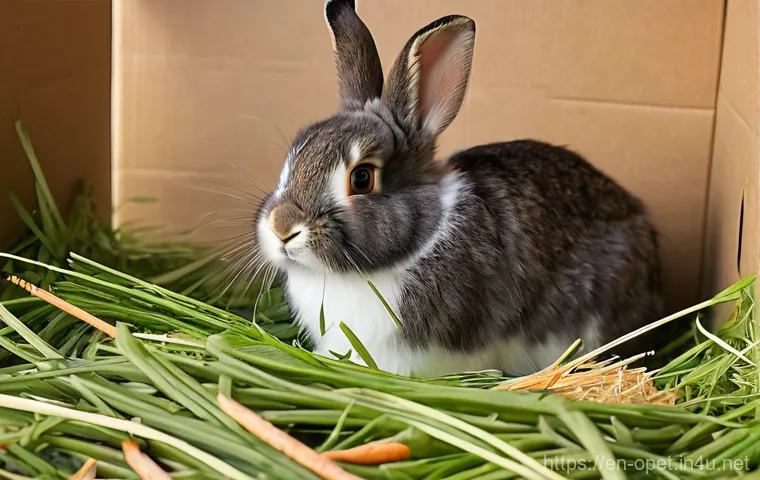
Timothy hay is generally considered the gold standard for adult rabbits due to its excellent fiber content and balanced nutrition. My bunnies absolutely adore a good, fresh batch of Timothy.
However, variety is truly the spice of life, even for bunnies! Orchard grass hay, often a bit softer and sweeter, is another fantastic option, especially if your bunny is a bit picky about Timothy.
Alfalfa hay, on the other hand, is much richer in calcium and protein, making it ideal for young, growing rabbits or pregnant/nursing does, but it should be limited for adult rabbits to avoid bladder sludge or kidney issues.
I always recommend offering a mix, rotating different types or even mixing them in the hay rack, to keep things interesting and ensure a wide range of nutrients.
Always ensure the hay is fresh, dust-free, and readily available 24/7.
Making Hay Fun: Encouraging Constant Chewing
Just putting a pile of hay in the corner isn’t always enough; some bunnies need a little encouragement to become super chewers! I’ve found that making hay a game or a puzzle can dramatically increase consumption.
Try stuffing hay into toilet paper rolls or cardboard tubes, then tucking them into various places in their enclosure. Hay balls or baskets are also fantastic, as they allow your bunny to forage and pull the hay out, mimicking natural grazing behavior.
Another trick I learned is to offer hay in multiple locations. Sometimes, a bunny will prefer to munch in one particular spot, like near their litter box, so having hay available there is key.
For Thumper, I noticed he eats significantly more hay if I arrange it nicely in a rack and also scatter some on the floor of his playpen. Presentation matters, apparently!
You can also mix in small amounts of dried herbs or edible flowers (like dried rose hips or chamomile) with their hay to make it more appealing. Just remember, the goal is constant, enthusiastic chewing throughout the day, so get creative and find what motivates your fluffy friend!
Beyond the Hay Rack: Enriching Chewing for Happy Teeth
The Best Chew Toys: Safe and Satisfying Options
While hay is paramount, supplemental chew toys play a crucial role in preventing boredom and further encouraging tooth wear. But not all chew toys are created equal, and choosing the right ones is vital for your rabbit’s safety.
Look for natural, untreated wood toys made from willow, apple, or pine. My bunnies go absolutely wild for willow balls and sticks – they just love tearing them apart!
Cardboard is another fantastic, inexpensive option. Untreated cardboard boxes, paper towel rolls, or even just plain brown paper bags provide hours of chewing and shredding fun.
Just make sure there’s no tape, glue, or plastic on them. Some of my absolute go-to’s are woven grass mats, untreated loofah, and even simple untreated pine blocks.
It’s truly amazing how a simple, safe toy can transform a bored bunny into an active chewer. Always avoid plastic toys, as these can break into sharp pieces or be ingested, causing serious internal damage.
Also, be wary of “chew blocks” that contain dyes or artificial ingredients.
Branching Out: Natural Chews from Your Garden
Did you know that some natural branches from your garden can make excellent, free, and healthy chew toys? It’s true! However, this is one area where you need to be absolutely certain about what you’re offering.
Apple, willow, and pear branches are generally considered safe and highly enjoyable for bunnies. I personally love providing fresh apple tree branches to my rabbits, especially when I prune the tree in the fall.
The slightly rough bark and the natural wood provide excellent resistance for grinding down those ever-growing teeth. Just ensure the branches haven’t been treated with any pesticides or chemicals, and always wash them thoroughly before giving them to your rabbit.
Avoid branches from stone fruit trees (like cherry, peach, or plum) as they contain cyanide compounds that are toxic to rabbits. Oak and maple branches are also generally considered safe in moderation.
If you’re ever unsure about a particular plant or tree, it’s always best to err on the side of caution and consult with your vet or a reliable rabbit resource before introducing it to your bunny’s diet or play repertoire.
Dietary Delights and Dental Do’s: What to Feed for Optimal Oral Health
Pellet Power: Quality Over Quantity
Pellets, for many rabbit owners, are a staple, and they do provide concentrated nutrition. However, when it comes to dental health, they are far less important than hay.
The key here is *quality* over *quantity*. High-quality pellets should be plain, hay-based (like Timothy hay pellets), and contain no seeds, nuts, or colorful “treat” pieces.
These added ingredients are often unhealthy and can contribute to picky eating or digestive upset. For an adult rabbit, a general guideline is about 1/4 cup of pellets per 5 pounds of body weight per day.
I actually use slightly less for my Thumper, as he’s such a hay monster! Overfeeding pellets is a common mistake that can lead to obesity and, more importantly for our discussion, can reduce a rabbit’s hay intake.
If a bunny fills up on tasty pellets, they’re less likely to munch on the fibrous hay that’s so crucial for their teeth. Always choose a reputable brand and ensure the pellets are fresh.
Stale pellets lose their nutritional value and are less appealing to bunnies.
Veggie Varieties: A Rainbow for Their Gums
Fresh vegetables are a wonderful addition to your rabbit’s diet, offering essential vitamins, minerals, and moisture, which is great for overall health, including gum health.
While vegetables don’t provide the same tooth-wearing action as hay, the chewing involved still helps to strengthen jaw muscles and can contribute to dental hygiene.
Aim for 1-2 cups of mixed fresh greens per 5 pounds of body weight daily. Think dark leafy greens like romaine lettuce, kale (in moderation due to calcium content), cilantro, parsley, basil, and dandelion greens.
I love giving Thumper a “salad” of mixed greens every evening – it’s often the highlight of his day! Introduce new vegetables slowly and one at a time to monitor for any digestive upset.
Carrots and fruits, while often thought of as bunny staples, should be given only in very small amounts as treats due to their high sugar content. Too much sugar can lead to an imbalance in gut flora and potential dental issues over time.
It’s all about balance and moderation to keep those teeth and tummies happy!
Partnering with the Pros: Essential Vet Visits for Dental Wellness
The Annual Check-Up: More Than Just a Sniff
Regular veterinary check-ups are absolutely non-negotiable for a rabbit’s long-term dental health. An annual exam with a rabbit-savvy vet isn’t just a quick peek; it’s a comprehensive assessment.
During these visits, the vet will perform a thorough oral examination, often using an otoscope or specialized dental scope to get a good look at those hard-to-see molars way in the back.
This is something we simply can’t do effectively at home. They’ll check for any signs of spurs, abnormal wear, or developing problems that you might not have noticed.
It’s a proactive measure that can catch issues before they become severe and painful. I’ve had vets spot a tiny spur starting to form that I would never have found on my own, allowing us to adjust Thumper’s diet and chew options to prevent it from worsening.
These routine visits are an investment in your bunny’s comfort and longevity, and they can save you from far more expensive and invasive procedures down the line.
Spotting the Specialist: When to See an Exotics Vet
Not all vets are created equal, especially when it comes to rabbits. Finding a veterinarian who specializes in exotic animals, or at least has extensive experience with rabbits, is paramount for proper dental care.
A vet unfamiliar with rabbit physiology might miss subtle signs of dental disease or might not have the correct equipment or expertise to perform necessary procedures.
If your rabbit develops a serious dental issue, like overgrown molars requiring a “float” (filing down the teeth), or an abscess, you absolutely need a vet who is proficient in rabbit anesthesia and delicate oral surgery.
These procedures require precision and a deep understanding of rabbit anatomy. Don’t be afraid to ask potential vets about their experience with rabbits, their equipment, and their approach to dental care.
A good exotics vet will be happy to answer your questions and reassure you of their qualifications. I drive an hour to see my exotics vet, and believe me, it’s worth every mile for the peace of mind knowing my bunnies are in expert hands.
Emergency! What to Do When Dental Issues Strike
Immediate Action: What You Can Do at Home
If you suspect your bunny is suffering from a dental issue, there are a few immediate steps you can take at home while you’re waiting for that all-important vet appointment.
First and foremost, try to encourage them to eat and drink. Offer their favorite fresh greens, finely chopped if they’re struggling to chew. Sometimes a critical care formula (like Oxbow Critical Care) can be a lifesaver, as it’s easily digestible and can be syringe-fed to ensure they’re getting some nutrition and fiber.
Keeping their gut moving is crucial. You can also offer a small amount of pain relief as prescribed by your vet – never give human pain medication without professional guidance!
Keeping them warm and comfortable is also important. I always have some Critical Care on hand, just in case of an emergency, because a bunny that stops eating can quickly go into gut stasis, which is a life-threatening condition.
These measures are temporary bridges, though, not solutions.
Don’t Delay: Why Professional Help is Crucial
While home care can offer temporary relief and support, it is absolutely vital to understand that dental issues in rabbits almost always require professional veterinary intervention.
Overgrown teeth, spurs, or abscesses simply cannot be fixed at home. A vet will need to sedate your bunny to properly examine their mouth, determine the extent of the problem, and perform any necessary procedures like tooth filing (floating) or extractions.
Attempting to trim a rabbit’s teeth at home is incredibly dangerous and can lead to fractures, infections, and even more severe pain. The consequences of delaying professional treatment can be dire, ranging from chronic pain and malnutrition to life-threatening infections and irreversible damage.
I know vet visits can be stressful and sometimes costly, but your rabbit’s comfort and long-term health depend on it. Think of it as investing in their happiness.
If you notice any signs of discomfort or struggle, pick up the phone and call your vet immediately. Your bunny will thank you for it with happy binkies and a healthy, pain-free smile.
| Dental Health Essential | Why It’s Important | Best Practices |
|---|---|---|
| Unlimited Hay | Wears down continuously growing teeth; primary source of fiber. | Offer Timothy, Orchard, or other grass hays 24/7. Use hay racks or scatter for enrichment. |
| Safe Chew Toys | Provides mental stimulation and additional tooth wear. | Willow balls, apple sticks, untreated cardboard. Avoid plastics or chemically treated items. |
| Quality Pellets | Provides concentrated nutrition, but less crucial for dental wear. | Plain, hay-based pellets (1/4 cup per 5 lbs body weight/day for adults). |
| Fresh Vegetables | Vitamins, minerals, moisture; supports gum health. | 1-2 cups varied dark leafy greens daily. Limit high-sugar fruits and carrots as treats. |
| Regular Vet Checks | Professional assessment for hidden dental issues. | Annual check-ups with an exotics-savvy veterinarian for oral examination. |
Wrapping Things Up
Whew, we’ve covered a lot today, haven’t we? It might seem like a lot to take in, but trust me, understanding the nuances of your bunny’s dental health is one of the greatest gifts you can give them. It’s all about consistent, loving care and being tuned into their subtle cues. Just like you or I would want to avoid a toothache, our precious rabbits rely on us to keep their chompers in tip-top condition. From ensuring they have an endless supply of fresh, fibrous hay to seeking out that rabbit-savvy vet, every little bit makes a huge difference. Watching Thumper happily munching away without a care in the world makes all the effort absolutely worthwhile, and I know it will for you too.
Handy Tips You’ll Want to Bookmark
1.
Rabbit-Proofing is Key for Chewers
Even with the best intentions and plenty of appropriate chew toys, some rabbits just have a knack for finding trouble. Before you introduce your bunny to a new area, get down on their level and look for anything enticing they might chew on – think electrical cords, baseboards, or even houseplant leaves. Redirecting their natural chewing behavior towards safe alternatives like willow branches or cardboard tubes is far easier than trying to stop them once a habit forms. Remember, a bored bunny is often a destructive chewer, so mental stimulation through play and foraging is just as important as physical chewables.
2.
Water Access is Non-Negotiable
While we’ve focused heavily on solid food, fresh, clean water is equally vital for your rabbit’s overall health, including their digestive and oral well-being. Always provide water in a heavy ceramic bowl that can’t be easily tipped, and ideally, offer a sipper bottle as a secondary option. I personally make sure to change Thumper’s water at least twice a day and give the bowl a good scrub to prevent any bacterial buildup. Hydration helps maintain healthy bodily functions and can even aid in preventing certain dental issues by promoting saliva production.
3.
Learn Their Body Language (Especially for Pain)
Rabbits are masters at hiding pain, a survival instinct from their wild ancestors. This means you need to be a detective when it comes to their well-being. Subtle signs like changes in eating habits, less enthusiastic binkies, or even just a slight shift in their usual posture can indicate discomfort, including dental pain. Getting to know your individual rabbit’s normal behavior is your superpower; any deviation warrants close observation and, often, a call to your vet. Don’t wait for obvious signs like drooling or extreme lethargy, as by then, the problem is likely advanced.
4.
Consider Spaying or Neutering
Beyond preventing unwanted litters, spaying and neutering offer significant health and behavioral benefits for your rabbit. For females, it drastically reduces the risk of uterine cancer, which is very common in unspayed does. For both sexes, it can reduce aggression, territorial spraying, and can lead to a calmer, happier companion. A healthier, less stressed bunny is generally better at maintaining their overall well-being, including their dental health. This also makes them more amenable to vet handling for routine check-ups.
5.
Embrace Enrichment and Playtime
Chewing isn’t just about teeth; it’s about mental and physical stimulation too. Rabbits are intelligent and curious creatures who need engaging activities to prevent boredom and destructive behaviors. Provide a variety of toys they can toss, dig into, or shred. Think beyond just chew sticks – puzzle feeders, cardboard forts, and even digging boxes filled with shredded paper can provide endless entertainment. A rabbit that’s happily engaged in play is less likely to find mischief or become withdrawn, contributing to their overall vitality and appetite for hay.
Key Takeaways for a Happy, Healthy Bunny Smile
To really distill it all down, remember that your rabbit’s dental health is intrinsically linked to their diet and your proactive care. The most critical aspect is providing an unlimited supply of high-quality, fibrous hay, like Timothy or Orchard grass, which naturally grinds down their continuously growing teeth. This isn’t just a recommendation; it’s a fundamental requirement for their survival and comfort. Supplement this with a small, measured portion of plain, hay-based pellets and a daily variety of fresh, leafy greens. Avoid sugary treats and muesli-style mixes, as these offer little dental benefit and can lead to serious health issues. Furthermore, never underestimate the power of regular veterinary check-ups with a rabbit-savvy professional. These experts can spot subtle dental problems that are invisible to the untrained eye, allowing for early intervention before minor issues escalate into painful, debilitating conditions requiring complex procedures. Ultimately, investing time in understanding your rabbit’s unique needs and partnering with a qualified vet will ensure your fluffy friend maintains a bright, pain-free smile and enjoys a long, binkying life by your side.
Frequently Asked Questions (FAQ) 📖
Q: Why is my rabbit’s dental health such a big deal, and why do their teeth grow so much?
A: Oh, this is such a critical question, and one I wish I’d fully grasped when I first welcomed Thumper into my life! You see, our adorable bunnies are part of a special group of animals called lagomorphs, and they have these incredible teeth that never, ever stop growing.
We’re talking about “aradicular hypsodont” teeth, which means they don’t have defined roots and just keep on erupting throughout their entire lives. Can you believe their front teeth, the incisors, can grow an astonishing 1 cm or more every single month?
And their back “cheek teeth” are in on the action too, growing about 2-3 millimeters a week! In the wild, this constant growth is actually a super clever adaptation.
Rabbits spend most of their day munching on tough, fibrous plants like grasses and hay. All that chewing acts like a natural grinding stone, keeping their teeth perfectly worn down.
But in our homes, if they don’t get enough opportunities to chew on the right things, those teeth just keep growing and growing. This can lead to all sorts of painful problems like overgrown incisors that protrude, or sharp spikes called “spurs” on their molars that can dig into their cheeks and tongue.
It’s truly mind-boggling how quickly things can go awry if we don’t understand this fundamental aspect of their biology!
Q: What are some common signs that my bunny might be having dental issues? I feel like they’re so good at hiding when they don’t feel well!
A: You are absolutely spot on! Rabbits are masters of disguise when it comes to pain, which is something I learned the hard way with Thumper. Being prey animals, they instinctively hide any weakness, so by the time we notice something’s wrong, it can often be quite serious.
That’s why being observant is your superpower as a bunny parent! The signs can be subtle at first, but there are a few key things I’ve learned to watch out for.
Any changes in their eating habits are a huge red flag. Are they suddenly eating less, or taking longer to finish their meals? Do you see them dropping food more often, or favoring one side of their mouth when they chew?
Sometimes, they might just stare at their food bowl like they want to eat but can’t. Other indicators include excessive drooling, which can leave their chin and front paws wet and matted.
Runny eyes or even a discharge from their nose can also be linked to overgrown tooth roots pushing into their tear ducts or sinuses. I remember one time, Thumper just seemed a little less enthusiastic about his favorite treats, and his chin looked a bit damp.
That little clue sent us to the vet, and sure enough, we caught a minor issue before it became a big problem. Keeping an eye on their weight is also super important – any unexplained weight loss definitely warrants a vet visit.
Q: So, what’s the best way to actually prevent these dental problems and keep my bunny’s teeth healthy? I want to avoid those stressful vet visits!
A: I totally get that! Prevention is truly the name of the game when it comes to bunny dental health, and it mostly boils down to their diet, with a little help from some fun toys.
After my initial learning curve with Thumper, I completely revamped his routine, and it made all the difference! The absolute cornerstone of a rabbit’s diet should be unlimited, high-quality hay.
Think Timothy, Orchard, or Meadow hay – the coarser, the better! This should make up about 80-90% of what they eat daily. Believe me, it might seem boring to us, but for them, it’s their dental treadmill, constantly grinding down those ever-growing teeth with every munch and crunch.
I always make sure Thumper’s hay rack is overflowing! Alongside hay, offer a small portion of fresh, leafy greens daily. Things like romaine lettuce, kale, and dandelion greens are fantastic.
Limited amounts of high-fiber pellets (about 1/4 cup per 5 lbs of body weight per day) can supplement their nutrition, but they should never replace hay.
Beyond diet, safe chew toys are a must! These aren’t just for fun; they’re vital for dental wear and mental stimulation. Think untreated willow balls, applewood sticks, or even cardboard rolls.
I’ve found that giving Thumper a variety keeps him engaged and happy, and his teeth stay in much better shape. Lastly, and I cannot stress this enough, regular vet check-ups are non-negotiable, even if everything seems fine.
Your vet can spot subtle issues with their back teeth that we simply can’t see at home. Trust me, investing in preventative care saves a lot of heartache (and vet bills!) down the line.
It’s all about mimicking what they’d naturally do in the wild, right in the comfort of our homes.