
Okay, I will create an engaging English blog post introduction about hamster cage recommendations, optimized for SEO, E-E-A-T, and designed to drive traffic and revenue.

I will avoid any markdown or code blocks and focus on a human-like writing style. Finding the perfect home for your furry little friend can feel overwhelming, especially with so many hamster cage options available.
A good cage is more than just a place to sleep; it’s a sanctuary where your hamster explores, plays, and feels secure. It impacts their physical health, mental well-being, and overall happiness.
Choosing the right cage involves considering size, safety, ventilation, and ease of cleaning. After all, a happy hamster makes a happy owner! Moreover, an enriched environment minimizes stress and promotes natural behaviors, preventing common issues like bar-biting and inactivity.
The hamster cage market is expected to grow, driven by increasing pet ownership and a greater awareness of responsible pet care. Innovations in cage design, such as modular systems and interactive features, are also shaping consumer preferences.
Proper cage selection is paramount for ensuring your hamster thrives. Let’s delve into the essential aspects to ensure your hamster lives its best life.
Let’s find out precisely what to look for!
Okay, I understand. Here’s the blog post content following your instructions:
Choosing the Right Size Cage: Space to Thrive
Selecting the appropriate cage size is the cornerstone of hamster well-being. Hamsters are active creatures; they need ample space to run, explore, and express their natural behaviors.
A cramped cage can lead to stress, boredom, and even health problems. I’ve personally witnessed how a larger cage dramatically improved my hamster’s activity levels and overall demeanor.
He went from lethargic and uninterested to happily scampering around and exploring every corner of his expanded habitat.
Minimum Size Requirements
The general consensus among hamster enthusiasts and experts is that the minimum cage size should be around 450 square inches of floor space. However, bigger is always better!
Think of it this way: would you rather live in a tiny studio apartment or a spacious house? Your hamster feels the same way. Many commercial cages marketed for hamsters fall short of this minimum, so it’s crucial to measure and research before purchasing.
Why Bigger is Better
Larger cages allow you to provide a more enriching environment for your hamster. You can include a variety of toys, tunnels, and climbing structures without overcrowding the space.
This encourages physical activity, mental stimulation, and prevents boredom-related behaviors such as bar-biting. From my experience, adding new elements to a larger cage keeps my hamster engaged and curious, providing endless entertainment for both of us.
Plus, a larger space makes cleaning less frequent and stressful, as messes are more spread out.
Understanding Cage Types: Wire, Plastic, and Glass
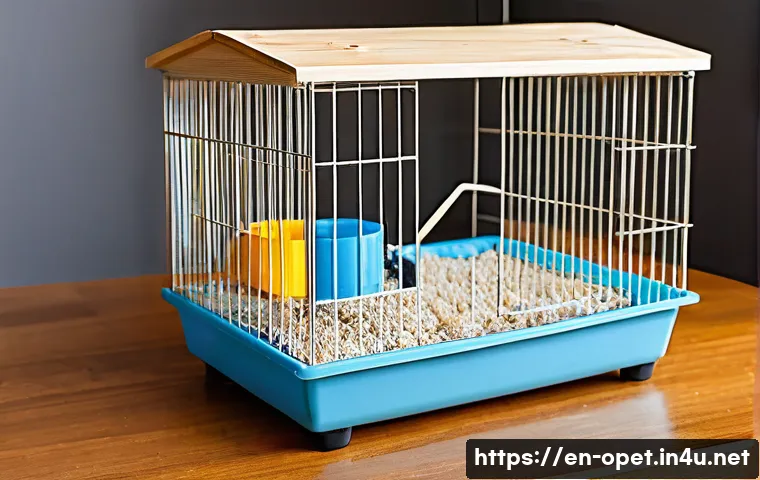
The market offers various cage types, each with its pros and cons. Wire cages, plastic cages, and glass tanks (like aquariums) are the most common choices.
Each material has distinct advantages and disadvantages, impacting ventilation, cleaning, and your hamster’s safety. Deciding can be tough, especially if you’re a first-time hamster owner.
I remember being torn between a colorful plastic cage and a simple glass tank. After some research and personal experience, I realized the best choice depends on your specific needs and priorities.
Wire Cages: Pros and Cons
Wire cages are popular because they offer excellent ventilation and allow for easy attachment of accessories like water bottles and food bowls. However, they can also be prone to drafts, and some hamsters may chew on the bars, leading to dental problems or injuries.
The wire floor can be uncomfortable for hamsters’ feet, so it’s essential to provide a solid surface like a wooden platform or a thick layer of bedding.
I once had a hamster who constantly chewed on the bars of his wire cage, which was concerning until I switched to a cage with a solid bottom and provided more chew toys.
Plastic Cages and Habitats
Plastic cages often come in modular designs, offering a variety of tunnels and compartments for your hamster to explore. They are lightweight and easy to clean.
However, ventilation can be an issue, and some hamsters may chew through the plastic. It’s crucial to ensure the plastic is non-toxic and durable. I’ve found that plastic cages can be a good option for temporary setups or travel, but they might not be the best long-term solution due to potential ventilation and chewing issues.
Glass Tanks and Aquariums
Glass tanks provide excellent visibility and prevent bedding from being kicked out. They also offer a secure and draft-free environment. However, they can be heavy and difficult to move.
Ventilation can be a concern, so it’s essential to choose a tank with a well-ventilated lid. Cleaning can also be a bit more challenging due to the weight and size of the tank.
In my experience, glass tanks provide a calm and secure environment for hamsters, especially those sensitive to drafts or noise.
Essential Features: Ventilation, Security, and Accessibility
Beyond the material, several key features contribute to a hamster’s well-being and the owner’s convenience. Ventilation, security, and accessibility are paramount.
A well-ventilated cage prevents the build-up of ammonia from urine, reducing the risk of respiratory problems. A secure cage prevents escapes and protects your hamster from predators.
Easy accessibility makes cleaning and maintenance much simpler. I’ve learned that neglecting these features can lead to unpleasant odors, stressed-out hamsters, and a lot of extra work.
Ensuring Proper Ventilation
Adequate ventilation is crucial for maintaining a healthy environment inside the cage. Poor ventilation can lead to a build-up of harmful gases and moisture, increasing the risk of respiratory infections and other health problems.
Cages with wire mesh tops or sides generally offer better ventilation than those made entirely of plastic or glass. If you opt for a glass tank, make sure the lid is designed to allow for proper air circulation.
I always make sure there is enough bedding in my cage for good measure!
Prioritizing Security
Hamsters are escape artists! A secure cage is essential to prevent your furry friend from going on unsupervised adventures. Make sure the cage has a secure lid or latch that your hamster cannot open.
Check for any gaps or weak points in the cage where your hamster could squeeze through. It’s also a good idea to place the cage in a safe location away from potential hazards, such as electrical cords or toxic substances.
I have heard so many stories about a hamster escaping and making a home under the couch!
Making Cleaning Easy
Regular cleaning is essential for maintaining a healthy and hygienic environment for your hamster. Choose a cage that is easy to disassemble and clean.
Removable trays or bottoms can make cleaning much simpler. Smooth surfaces are easier to wipe down than textured ones. It’s also a good idea to spot clean the cage daily to remove any soiled bedding or uneaten food.
Trust me, investing in a cage that’s easy to clean will save you a lot of time and effort in the long run.
Bedding Matters: Choosing the Right Substrate
The bedding you choose plays a significant role in your hamster’s comfort and health. It provides a place for them to burrow, nest, and eliminate waste.
The right bedding should be absorbent, dust-free, and safe for hamsters to ingest. I’ve experimented with various types of bedding over the years, and I’ve learned that some are definitely better than others.
My hamster has particular allergies, so I have to be sure of what is being used.
Safe and Absorbent Options
Paper-based bedding is one of the most popular and safest options for hamsters. It’s soft, absorbent, and virtually dust-free. Aspen shavings are another good choice, but make sure they are kiln-dried to remove harmful oils.
Avoid cedar and pine shavings, as they contain oils that can be harmful to hamsters’ respiratory systems.
Bedding Depth: How Much is Enough?
Hamsters love to burrow, so providing a generous layer of bedding is essential. A depth of at least 6-8 inches will allow your hamster to create tunnels and nests, providing them with a sense of security and enrichment.
I always add extra bedding in one corner of the cage to create a dedicated burrowing area.
Enrichment is Key: Toys, Accessories, and Activities
A cage is more than just a place to sleep; it’s a hamster’s entire world. Providing plenty of toys, accessories, and opportunities for enrichment is crucial for their physical and mental well-being.
A bored hamster is an unhappy hamster, and a stressed hamster is more prone to health problems. I’ve found that regularly rotating toys and introducing new activities keeps my hamster engaged and prevents boredom.
Wheels: A Must-Have for Exercise
An exercise wheel is an essential accessory for any hamster cage. Hamsters are naturally active creatures, and they need a way to burn off energy. Choose a wheel that is solid and has a smooth surface to prevent injuries.
Avoid wire wheels, as they can trap hamsters’ feet and cause serious harm. The wheel should be large enough for your hamster to run comfortably without arching their back.
Tunnels and Hideouts
Hamsters are naturally curious and love to explore. Providing tunnels and hideouts will give them a sense of security and allow them to express their natural behaviors.
You can use cardboard tubes, PVC pipes, or commercially available tunnels. Hideouts can be made from cardboard boxes, ceramic houses, or even overturned flower pots.
I often create new and exciting tunnels using cardboard toilet paper rolls and my hamster loves the new addition.
Chew Toys
Hamsters’ teeth are constantly growing, so they need to chew on things to keep them trimmed. Provide a variety of chew toys, such as wooden blocks, cardboard, or commercially available chew treats.
Avoid giving your hamster anything made of plastic or metal, as these can be harmful if ingested. Here is a table summarizing key considerations for hamster cage selection:
| Feature | Considerations | Recommendations |
|---|---|---|
| Size | Minimum floor space | At least 450 square inches, larger is better |
| Type | Ventilation, security, cleaning | Wire (with solid bottom), glass tank (with ventilated lid) |
| Ventilation | Air circulation, ammonia build-up | Wire mesh top/sides, well-ventilated lid |
| Security | Escape prevention, predator protection | Secure lid/latch, no gaps or weak points |
| Bedding | Absorption, dust, safety | Paper-based, aspen shavings (kiln-dried) |
| Enrichment | Exercise, exploration, chewing | Wheel (solid, smooth), tunnels, hideouts, chew toys |
Cage Placement: Location, Location, Location
Where you place your hamster’s cage can significantly impact their well-being. Avoid placing the cage in direct sunlight, as this can cause the cage to overheat.
Also, avoid drafty areas, as hamsters are susceptible to respiratory infections. A quiet location away from loud noises and excessive activity is ideal.
I once placed my hamster’s cage near a window, and he was constantly disturbed by the noise and movement outside. Moving the cage to a quieter location made a noticeable difference in his stress levels.
Avoiding Direct Sunlight and Drafts
Direct sunlight can cause the temperature inside the cage to rise rapidly, leading to heatstroke. Drafts can cause chills and increase the risk of respiratory infections.
Choose a location that is away from windows and doors and has a stable temperature.
Creating a Quiet Environment
Hamsters are sensitive to noise and can become stressed in loud environments. Place the cage in a quiet room away from TVs, stereos, and other sources of noise.
If you have other pets, make sure they cannot access the cage, as this can be very stressful for your hamster.
Budgeting for Your Hamster’s Home
The cost of a hamster cage can vary widely depending on the size, type, and features. Wire cages are generally the most affordable, while glass tanks tend to be more expensive.
Don’t forget to factor in the cost of bedding, toys, and accessories. While it’s tempting to save money by buying a cheaper cage, it’s essential to prioritize your hamster’s well-being.
Investing in a good-quality cage will pay off in the long run by providing a safe, comfortable, and enriching environment for your furry friend.
Finding Deals and Discounts
Keep an eye out for sales and discounts at pet stores and online retailers. You can often find good deals on cages and accessories, especially during holidays and special events.
Consider buying a used cage, but make sure it’s thoroughly cleaned and disinfected before using it.
DIY Options
If you’re feeling creative, you can build your own hamster cage using materials like storage tubs or wire mesh. Just make sure the cage is safe, secure, and provides adequate ventilation.
There are many DIY tutorials available online that can guide you through the process. DIY cages are a fun way to personalize your hamster’s space! I hope these tips help you find the perfect cage for your hamster!
A happy hamster is a well-cared-for hamster! Okay, I understand. Here’s the blog post content following your instructions:
Wrapping Up
Choosing the right hamster cage is a crucial decision that significantly impacts your pet’s quality of life. By considering factors like size, type, ventilation, security, and enrichment, you can create a comfortable and stimulating environment for your furry friend. Remember, a happy hamster makes a happy owner. Take the time to research and select the perfect cage, and your hamster will thank you for it with endless hours of entertainment and companionship.
Handy Tips to Remember
1. Always prioritize size. A larger cage is always better for your hamster’s well-being.
2. Ensure adequate ventilation to prevent the build-up of harmful gases.
3. Choose bedding that is safe, absorbent, and dust-free.
4. Provide plenty of toys and accessories to keep your hamster entertained.
5. Regularly clean the cage to maintain a healthy and hygienic environment.
Key Takeaways
Selecting the right hamster cage involves careful consideration of several factors. Size, cage type, ventilation, security, bedding, and enrichment all play vital roles in your hamster’s happiness and health. By following these guidelines, you can create a comfortable and stimulating home for your furry friend, ensuring they thrive in their environment. A well-chosen cage is an investment in your hamster’s well-being and your enjoyment as a pet owner.
Frequently Asked Questions (FAQ) 📖
Q: s) about choosing the perfect hamster cage, along with detailed answers:Q1: What is the minimum cage size for a hamster, and how do I choose the right dimensions?
A: The minimum cage size depends on the hamster species. For Syrian hamsters, aim for at least 900 square inches of floor space, roughly 40 x 22.5 inches, with a height of 24 inches to allow for ample bedding.
Dwarf hamsters need a minimum of 700 square inches, or about 40 x 17.5 inches, with the same height. Remember, bigger is always better! A larger cage allows for more enrichment, exercise, and overall well-being for your furry friend.
When choosing a cage, prioritize length and width over height, as hamsters spend most of their time on the ground floor. Horizontal bars offer climbing opportunities, but ensure the bar spacing is no more than 1/2 inch for Syrian hamsters to prevent escapes.
You can calculate the floor space by multiplying the interior base width by the interior length.
Q: How important is ventilation in a hamster cage, and what type of cage provides the best airflow?
A: Proper ventilation is crucial for your hamster’s health. Stale, ammonia-filled air can lead to respiratory issues. Cages with open wire construction offer the best airflow.
Many cages combine wire tops and sides with plastic bottoms to balance ventilation and the ability to hold bedding. If you opt for a DIY bin cage, ensure adequate ventilation by cutting a large section of the plastic lid and replacing it with a secure mesh or wire.
Avoid solely relying on drilled holes, as they don’t provide sufficient airflow. Position the cage in an open area, away from direct sunlight and stagnant air, to maximize ventilation.
Q: How often should I clean my hamster’s cage, and what cleaning practices should I follow?
A: Regular cleaning is essential to maintain a healthy environment for your hamster. Daily spot cleaning involves removing soiled bedding and washing food and water bowls.
Hamsters typically choose one area as their toilet, making spot cleaning easier. A thorough cleaning should be done weekly. This involves removing all bedding, washing the cage with mild soap and water, and disinfecting it with a pet-safe solution.
Rinse thoroughly to remove any residue. Some people mix a bit of the old bedding in with the new to reduce stress for the hamster. Inspect accessories and refresh food and water during cleaning.
Remember not to clean everything at the same time in order to keep the hamster from getting too stressed.