Ever dreamt of bringing a touch of the tropics right into your home? Green iguanas, with their majestic presence and surprisingly complex needs, have captivated many, including myself.
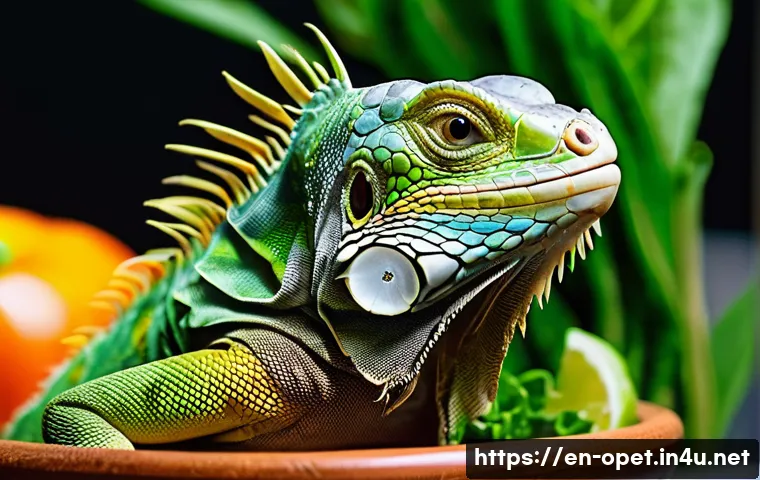
But let’s be real, diving into the world of iguana ownership without proper preparation is a recipe for disaster, not just for you, but more importantly, for your scaly friend.
I’ve seen countless new owners get swept up in the excitement, only to realize that setting up a truly thriving environment for these magnificent reptiles is far more intricate than just buying a tank.
From mastering the delicate balance of humidity and temperature to providing ample space for growth, there’s a lot to consider to ensure your iguana lives a long, happy, and healthy life.
Forget those tiny starter kits; we’re talking about creating a genuine sanctuary that mimics their natural habitat. It’s an investment, not just of money, but of time and genuine care, that pays off in watching your iguana flourish.
Let’s explore exactly how to build the ultimate iguana haven.
Beyond a Basic Tank: Crafting the Ultimate Green Iguana Enclosure
Why Size Truly Matters for Your Growing Reptile
When I first ventured into the world of green iguanas, I, like many, underestimated just how quickly these beautiful creatures grow. It’s a common rookie mistake to start with a relatively small enclosure, thinking it’ll be sufficient for a hatchling. But trust me on this – that tiny tank will feel like a shoebox in no time. Green iguanas can reach impressive lengths, often upwards of five to six feet including their tail, and they need ample space to climb, bask, and explore. Imagine living your entire life in a room you can barely turn around in; that’s what a too-small enclosure feels like to an iguana. My own experience taught me that investing in a spacious enclosure from the start, or planning for significant upgrades, saves a lot of headaches and stress for both you and your scaly companion. We’re talking about a space that’s at least 6 feet long, 3 feet deep, and 6 feet tall for an adult. It might seem like a huge commitment, but seeing your iguana thrive in a habitat that truly allows them to behave naturally is incredibly rewarding and absolutely worth every effort.
Materials That Last: Building for Durability and Safety
Choosing the right materials for your iguana’s home isn’t just about aesthetics; it’s about creating a safe, easy-to-clean, and long-lasting environment. Glass tanks, while often appealing for smaller reptiles, are rarely suitable for adult iguanas due to their weight, size, and ventilation needs. Custom-built enclosures, often made from sealed plywood, PVC, or even modified shelving units, tend to be the better route. I personally opted for a combination of marine-grade plywood sealed with non-toxic, waterproof sealant, along with acrylic panels for visibility. This allows for excellent insulation, which is crucial for maintaining consistent temperatures and humidity. Remember, iguanas are powerful, and their claws can scratch through softer materials, so durability is key. Smooth, non-porous surfaces are a lifesaver when it comes to cleaning and preventing bacterial growth. Always double-check that any sealants, paints, or glues you use are completely non-toxic and fully cured before introducing your iguana. Their health and safety should always be the top priority, and a well-constructed enclosure is the foundation of their well-being.
Mastering the Tropical Climate: Heat, Humidity, and Light
Creating the Perfect Temperature Gradient
Replicating the tropical warmth of their natural habitat is paramount for your green iguana’s health. They are ectothermic, meaning they rely on external heat sources to regulate their body temperature, which directly impacts their digestion, metabolism, and immune system. Simply heating the entire enclosure to one temperature won’t cut it; you need to establish a temperature gradient. This means having a warm basking spot where temperatures can reach between 90-95°F (32-35°C), and a cooler ambient side around 75-80°F (24-27°C). I’ve found that using a combination of ceramic heat emitters (CHEs) for ambient heat and high-wattage basking bulbs (like mercury vapor bulbs or specialized reptile heat lamps) works wonders. Always use thermostats and thermometers to monitor temperatures meticulously. Overheating can be just as dangerous as being too cold. I learned early on that placing thermometers at various levels within the enclosure helps immensely in ensuring the entire gradient is properly maintained, mimicking the sun and shade they’d seek out in the wild.
The Essential Role of Humidity and Hydration
Humidity is another non-negotiable aspect of iguana care that many new owners often overlook or underestimate. Green iguanas hail from lush, humid rainforests, and their enclosures need to reflect this. Aim for a humidity level between 60-80%. Low humidity can lead to respiratory issues, difficult shedding, and even dehydration. My go-to methods for maintaining humidity include a good quality misting system, a large water dish that evaporates, and even a humidifier placed near the enclosure with a hygrometer to monitor levels. Daily misting is often necessary, sometimes multiple times a day, especially if you live in a drier climate. I’ve also found that providing a large, shallow water bowl for soaking is beneficial not just for hydration, but also for encouraging healthy shedding and giving them an opportunity to defecate. Regularly cleaning this water source is crucial, as standing water can quickly become a breeding ground for bacteria. Don’t underestimate the power of consistent humidity; it truly makes a world of difference in their overall health and comfort.
Unlocking the Power of UVB Lighting
Perhaps one of the most critical, yet often misunderstood, components of iguana care is UVB lighting. This isn’t just about making the enclosure look bright; it’s absolutely vital for your iguana’s bone health. In their natural environment, iguanas absorb UVB rays from the sun, which allows them to synthesize Vitamin D3. This vitamin is essential for metabolizing calcium, preventing metabolic bone disease (MBD) – a debilitating and often fatal condition. Standard household lights won’t cut it. You need a dedicated, full-spectrum UVB bulb. I’ve personally seen the devastating effects of MBD in neglected iguanas, and it’s heartbreaking. So, invest in a high-quality UVB bulb (usually a T5 HO linear fluorescent bulb with appropriate output, or a mercury vapor bulb that also provides heat). These bulbs need to be replaced every 6-12 months, even if they still appear to be working, as their UVB output degrades over time. Position the bulb correctly, typically 10-12 inches from the basking spot, making sure there’s no glass or plastic between the bulb and your iguana, as these materials filter out beneficial UVB rays. It’s an investment in their long-term vitality.
| Parameter | Ideal Range for Green Iguanas | Why It’s Important |
|---|---|---|
| Basking Spot Temperature | 90-95°F (32-35°C) | Essential for digestion and metabolism. |
| Ambient Temperature (Cool Side) | 75-80°F (24-27°C) | Allows for thermoregulation and prevents overheating. |
| Nighttime Temperature | No lower than 70°F (21°C) | Prevents chilling, which can suppress the immune system. |
| Humidity | 60-80% | Crucial for respiratory health, shedding, and preventing dehydration. |
| UVB Lighting | Full spectrum, 10-12 inches from basking spot | Facilitates Vitamin D3 synthesis for calcium absorption and bone health. |
The Power of the Right Diet: Feeding Your Herbivorous Friend
A Leafy Green Foundation: What to Feed
One of the biggest misconceptions I often encounter about green iguanas is that they can eat just about anything. This couldn’t be further from the truth! Green iguanas are almost exclusively herbivorous, and their diet should primarily consist of a wide variety of dark, leafy greens and other vegetables. Think of foods like collard greens, mustard greens, turnip greens, dandelion greens (pesticide-free, of course!), endive, escarole, and hibiscus leaves and flowers. These form the backbone of a healthy iguana diet. I personally aim for a “salad” that’s at least 80% dark leafy greens, with the remaining 20% being other vegetables like grated squash, zucchini, bell peppers, and a tiny amount of fruit as an occasional treat. The key is variety to ensure they get a broad spectrum of nutrients. Avoid iceberg lettuce or celery; they’re mostly water and offer very little nutritional value. I’ve found that pre-chopping a large batch of greens and veggies for a few days can save a lot of time and ensures consistent feeding.
Calcium and Supplements: The Unsung Heroes
Even with the most meticulously planned diet, providing appropriate calcium and vitamin supplements is non-negotiable for iguanas. Because of their high calcium needs and the risk of metabolic bone disease, calcium supplementation is absolutely critical. I always dust my iguana’s food with a calcium carbonate supplement (without D3, as they should be getting D3 from their UVB light) at almost every feeding. Additionally, a multivitamin supplement, used a couple of times a week, helps ensure they receive all the trace minerals and other vitamins they need. It’s a delicate balance; too much of certain vitamins can be just as harmful as too little. Always follow the manufacturer’s instructions and consult with a reptile veterinarian if you’re unsure. I recall one instance where I briefly forgot to supplement due to a busy week, and I immediately noticed a slight lethargy. It was a stark reminder of how quickly their well-being can be affected by even minor dietary lapses. Consistent and correct supplementation is a cornerstone of their long-term health.
Enriching Their World: Furnishing for a Happy Iguana
Branches and Basking: The Art of Climbing
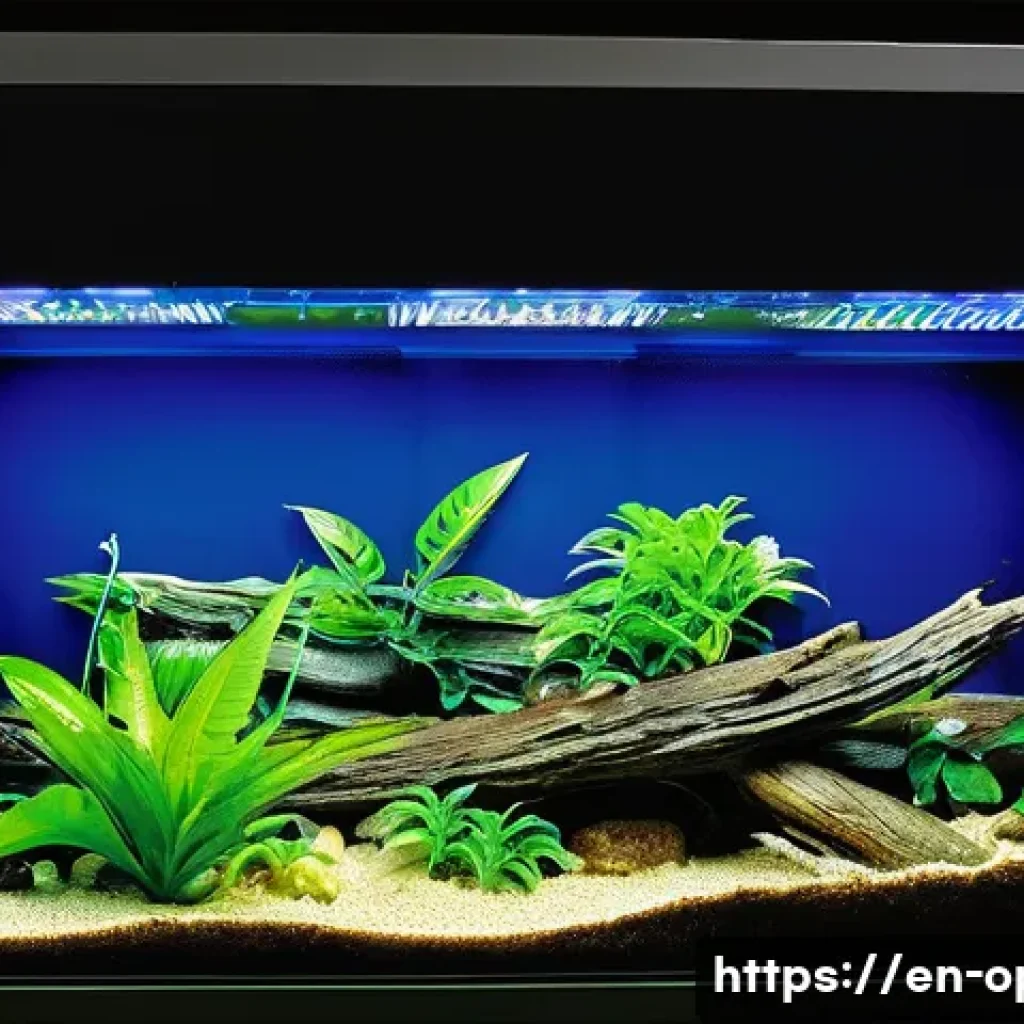
Iguanas are arboreal, meaning they spend a significant portion of their lives in trees. This natural behavior needs to be replicated in their enclosure with plenty of sturdy branches for climbing and basking. Don’t skimp on these! You’ll need branches of varying thicknesses, strong enough to support your iguana’s full weight, and positioned at different heights to create a vertical gradient of heat and light. Natural branches from safe, non-toxic trees (like oak or maple, thoroughly cleaned and sanitized) are ideal, as they provide natural textures for climbing and help keep their claws healthy. I’ve spent hours arranging and rearranging branches to create the perfect “jungle gym” for my iguana, ensuring there are basking spots directly under the heat lamps and shadier areas for cooling down. A well-designed climbing structure not only promotes physical activity and mental stimulation but also contributes significantly to their overall well-being. It’s truly a joy to watch them navigate their elaborate playground, just as they would in the wild.
Hiding Spots and Foliage: Providing Security
While iguanas are often seen basking openly, they also need secure hiding spots to retreat to when they feel stressed, want to sleep, or simply need a sense of privacy. Think about their natural instinct to find cover within dense foliage. Incorporating artificial plants (make sure they are non-toxic and securely anchored) or even live, safe plants (like pothos or hibiscus) can provide this essential sense of security. I’ve found that placing a large, sturdy branch with dense artificial foliage draped over it creates a fantastic canopy, offering both climbing opportunities and a private retreat. You might also consider a reptile hide box if space allows, especially when they are younger. The key is to offer options so they can choose where they feel most comfortable and safe. A secure iguana is a less stressed iguana, and a less stressed iguana is a healthier, happier one. It’s all about creating an environment where they can exhibit their natural behaviors, from basking in the sun to disappearing into the shadows when they choose.
Keeping Them Clean and Healthy: Substrate and Sanitation
Choosing the Right Substrate for Hygiene
The substrate you choose for your iguana’s enclosure is more important than you might think, playing a direct role in hygiene, humidity, and preventing health issues. While visually appealing substrates like cypress mulch or coco fiber can help maintain humidity, they also carry risks. If ingested, they can lead to impaction, and they can be challenging to keep truly sanitary, potentially harboring bacteria and fungi. After trying a few different options, I’ve personally gravitated towards simpler, non-particulate substrates for my adult iguana. This includes newspaper, paper towels, or even reptile carpet. While perhaps not as “natural-looking,” these options are incredibly easy to clean and replace, which is paramount for preventing the buildup of waste and harmful pathogens. For areas directly under basking spots or where humidity is critical, I sometimes use large, flat slate tiles or non-porous rubber mats, which are also simple to sanitize. The goal is a substrate that supports a clean environment and minimizes the risk of ingestion or bacterial growth, even if it means sacrificing a bit of the “jungle” aesthetic.
The Importance of a Rigorous Cleaning Routine
Maintaining a clean enclosure isn’t just a recommendation; it’s an absolute necessity for your iguana’s health. Without a regular and thorough cleaning routine, bacteria, fungi, and parasites can quickly take hold, leading to serious health problems. My routine includes daily spot cleaning to remove feces and uneaten food, and a full enclosure cleaning at least once a week, sometimes more frequently depending on how messy my iguana has been. During the weekly clean, I remove everything, scrub down all surfaces (branches, walls, water dishes) with a reptile-safe disinfectant, rinse thoroughly, and replace the substrate. I also cycle through multiple sets of branches and decor, allowing one set to dry completely while the other is in use. It might sound like a lot of work, but a clean environment drastically reduces the risk of respiratory infections, skin issues, and other ailments. I’ve learned that consistency is key; sticking to a schedule makes it a manageable part of iguana ownership, rather than a daunting chore. A healthy iguana truly starts with a clean home.
Understanding Their Behavior: Taming and Interaction
Building Trust Through Patience and Consistency
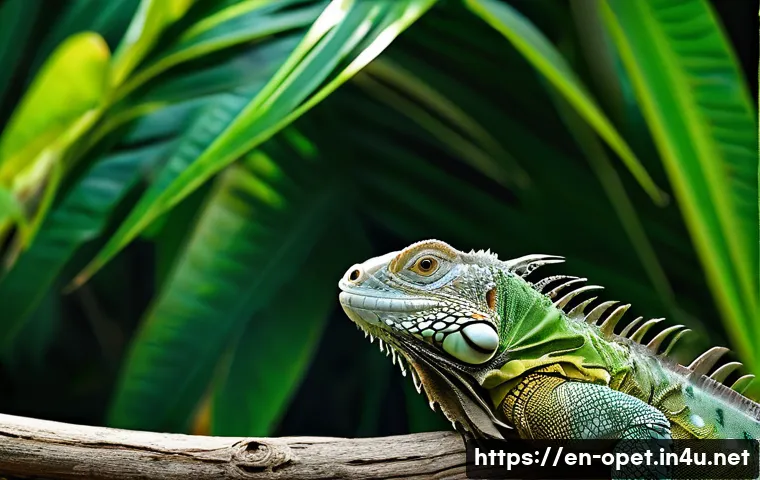
Taming a green iguana isn’t like taming a dog or cat; it requires an immense amount of patience, understanding, and a consistent approach. These are not cuddly pets in the traditional sense, and their trust is earned over time. When I first got my iguana, I spent countless hours just sitting by the enclosure, talking softly to him, and moving slowly. The goal wasn’t to handle him immediately, but to let him get accustomed to my presence and realize I wasn’t a threat. Start with short, positive interactions. Offer food from your hand (if they’re comfortable) or gently stroke their back while they’re basking. Avoid quick movements or grabbing from above, as this can trigger their natural predator response. I’ve found that consistent, calm interaction, even if it’s just being in the same room, gradually helps them associate you with safety rather than danger. It’s a slow process, sometimes taking months or even years, but the reward of having an iguana that tolerates and even seems to enjoy your presence is truly special.
Recognizing Their Cues and Body Language
Learning to “read” your iguana’s body language is crucial for effective interaction and understanding their mood. They communicate a lot through subtle (and not-so-subtle) cues. Head bobbing, for example, can be a sign of dominance, territoriality, or even excitement. Puffing up their dewlap (the flap of skin under their chin) and darkening their coloration often indicate stress, aggression, or a desire to look larger. A flicking tail might be a warning, and a whipping tail is definitely a sign to back off! I’ve learned to pay close attention to these signals, as they tell me when my iguana is receptive to interaction and when it’s best to give him space. If they’re calm, eyes half-closed, basking peacefully, it’s often a good time for a gentle interaction. If they’re stressed, trying to hide, or displaying aggressive postures, it’s best to leave them be. Understanding these nuances not only helps prevent bites or scratches but also deepens your bond and allows you to better cater to their emotional needs. It’s an ongoing learning process, but a fascinating one.
Long-Term Commitment: Growth, Space, and Future Planning
Adapting the Enclosure as They Mature
The initial setup for a baby iguana is vastly different from what an adult requires, and a critical part of long-term commitment is being prepared to adapt. As your iguana grows, its needs for space, climbing structures, and even specific basking arrangements will change dramatically. What once was a spacious home for a juvenile will quickly become cramped and insufficient for a sub-adult, let alone a fully grown iguana. I’ve seen owners try to squeeze an adult iguana into a space meant for a much smaller reptile, and it inevitably leads to stress, behavioral issues, and health problems. This means you need to plan for either building a much larger, custom enclosure, or having the resources to purchase one, as they age. This isn’t just about length and width; it’s about providing ample vertical space for climbing and basking at different levels. Thinking ahead, considering where this massive enclosure will fit in your home, and budgeting for its construction or purchase are all vital steps in responsible iguana ownership. It’s a long-term project, not a one-time setup.
The Financial and Time Investment: What to Expect
Bringing a green iguana into your home is a significant commitment, not just emotionally, but financially and in terms of time. Many people are surprised by the ongoing costs. Beyond the initial enclosure, there are recurring expenses for high-quality food, UVB bulbs (which need regular replacement), heating elements, veterinary care (which can be specialized and expensive for exotics), and potential enclosure upgrades. A well-designed, spacious enclosure for an adult iguana can easily run into hundreds or even thousands of dollars. Then there’s the daily time commitment: preparing fresh food, misting, monitoring temperatures and humidity, spot cleaning, and general observation. Weekly deep cleaning takes even more time. Iguanas also have a long lifespan, often living 15-20 years or more with proper care, so you’re committing to decades of responsibility. I always advise prospective owners to thoroughly research and budget for these ongoing needs before making the leap. It’s not a cheap or low-maintenance pet, but for those willing to make the investment, the experience of sharing your life with these intelligent and majestic reptiles is truly unparalleled.
Wrapping Things Up
I’ve poured my heart into sharing everything I’ve learned from years of living alongside these incredible creatures. Caring for a green iguana is truly a journey, filled with learning, patience, and immense rewards. It’s a commitment that asks for your best, but in return, you get to witness the fascinating world of a truly unique reptile thriving under your care. Remember, every little effort you put into understanding their needs and creating their ideal environment makes a monumental difference in their life and your bond with them.
Helpful Tips You’ll Appreciate
1. Always have a backup heat source on hand! Power outages happen, and a sudden drop in temperature can be life-threatening for an iguana. A few chemical hand warmers or a battery-operated heat pack can literally be a lifesaver in an emergency. I learned this the hard way during a winter storm, and now I always keep an emergency kit ready.
2. Regular enrichment isn’t just for fun; it’s vital for their mental well-being. Rotate branches, introduce new safe climbing elements, or even let them explore a safe, supervised outdoor space on a warm day. This keeps them stimulated and prevents boredom-related stress.
3. Invest in a good quality digital hygrometer and multiple thermometers. Analog ones can be inaccurate, and precise monitoring of temperature and humidity is non-negotiable for their health. I check mine religiously every morning and evening, it’s become second nature.
4. Don’t be afraid to connect with other iguana owners! Online forums and local reptile groups are treasure troves of information and support. Sharing experiences and asking questions can provide insights you won’t find anywhere else. I’ve learned so many practical tips from fellow enthusiasts over the years.
5. Schedule annual vet check-ups with a reputable exotics veterinarian, even if your iguana seems perfectly healthy. Preventative care is always better than reactive care, and early detection of potential issues can save you a lot of heartache and money in the long run.
Key Takeaways
Bringing a green iguana into your life is a profound experience that comes with significant responsibility, but also immense joy. Remember, their world revolves around the habitat you create, making a spacious, well-equipped enclosure, tailored to their arboreal nature, absolutely non-negotiable. Consistent temperature gradients, high humidity, and proper UVB lighting are the cornerstones of their physical health, directly preventing debilitating diseases. A varied, leafy-green diet, supplemented with calcium, fuels their vitality, while regular cleaning prevents illness. Beyond the physical, understanding their unique behaviors and patiently building trust fosters a deeper, more rewarding connection. It’s a long-term commitment, both in terms of time and resources, but watching these magnificent creatures thrive under your dedicated care is a truly unparalleled reward. Embrace the journey, and you’ll find yourself captivated by these incredible reptiles.
Frequently Asked Questions (FAQ) 📖
Q: Okay, so I’m really excited to get an iguana! What’s the biggest mistake new owners make with their enclosure size, and what should I actually be aiming for to make them truly happy?
A: Oh, I totally get that excitement! It’s infectious, isn’t it? But here’s the harsh truth I learned the hard way (and saw countless others stumble over): that adorable baby iguana you bring home?
It’s going to become a beast, and those “starter kits” you see in pet stores are, frankly, a total rip-off and a disservice to your future pet. The single biggest mistake is underestimating their adult size and trying to skimp on space.
Imagine trying to live your entire life in a closet – that’s what a small tank feels like to a full-grown iguana. They can reach 5-6 feet in length, tail included, and they are incredibly active climbers!
When I first started, I bought a tank that seemed huge for my little hatchling. Fast forward a year, and he was already pushing the limits, looking cramped and honestly, a bit miserable.
My goal for you is to avoid that frustration entirely. For an adult green iguana, you’re not just looking for a tank; you’re building a vertical habitat.
Think at least 6 feet tall, 3 feet wide, and 3 feet deep. Bigger is always, always better, especially in terms of height. They love to climb and bask high up.
Investing in a large, custom-built enclosure or a generously sized arboreal vivarium from the start will save you a massive headache (and money!) down the line.
It really lets them display their natural behaviors, which is key to a happy, healthy iguana. Trust me, watching them stretch out and explore a spacious home is far more rewarding than seeing them constantly bumping into walls.
Q: Humidity and temperature sound incredibly tricky. How can I really nail that perfect balance to keep my iguana thriving and not just surviving?
A: You’ve hit on one of the most crucial and often intimidating aspects of iguana care, but don’t worry, it’s totally achievable once you get a feel for it.
I remember the anxiety of constantly checking my gauges, wondering if I was doing enough! Green iguanas come from tropical rainforests, so replicating that warm, humid environment is absolutely non-negotiable for their health.
The key is consistency and accurate monitoring. For temperature, you’ll need a basking spot that reaches around 90-95°F (32-35°C). This is where they warm up and digest their food.
The ambient air temperature throughout the rest of the enclosure should ideally hover between 75-85°F (24-29°C), with a slight drop at night, but never below 70°F (21°C).
I use a combination of ceramic heat emitters for ambient warmth and a strong basking lamp that creates that specific hot spot. Make sure to use reliable digital thermometers with probes positioned at both the basking site and cooler areas – those old stick-on gauges are notorious for being inaccurate!
Now, for humidity, aim for a steady 70-80%. This is vital for their respiratory health and for smooth shedding. My personal trick, which I swear by, is a good quality automatic misting system or fogger, set to go off a few times a day.
You can also manually mist a couple of times daily, but automation is a lifesaver. Using a substrate that holds moisture well, like cypress mulch or coco fiber, also helps immensely.
Just ensure it’s kept clean to prevent mold. It might seem like a lot at first, but once you’ve dialed in your equipment and routine, it becomes second nature, and your iguana will thank you with vibrant health and energy.
Q: Beyond just the basic tank setup, what are some “must-have” enrichment items or details that will truly make my iguana’s home feel like a slice of the rainforest?
A: This is where the real fun begins, and where you can truly transform a cage into a vibrant, stimulating home! Just providing heat and humidity isn’t enough; iguanas are incredibly intelligent and curious creatures, and they need mental and physical stimulation.
When I first upgraded my iguana’s enclosure, I saw an immediate change in his demeanor – he was more active, curious, and definitely happier. First off, branches are non-negotiable.
And I’m not talking about thin, flimsy twigs. You need thick, sturdy branches that can support their weight, arranged both horizontally and diagonally, so they can climb, explore, and stretch every muscle.
Think about adding a variety of textures and diameters. I love using safe, natural woods like cholla wood, cork bark, or even specially prepared fruit tree branches.
These provide excellent grip and natural climbing opportunities. Next, consider a water feature. While a simple bowl is okay, a shallow pool or a drip system that allows them to drink running water can be fantastic for hydration and humidity.
Just ensure it’s easy to clean daily! For basking, don’t just rely on a lamp; provide a smooth, flat surface directly under the basking light where they can fully stretch out and absorb that vital heat.
Elevated shelves or large, flat rocks work wonders. And finally, don’t forget the foliage! While live plants can be tricky to maintain with a hungry iguana, large, sturdy artificial plants can add incredible visual appeal and provide excellent hiding and climbing spots.
Ensure they’re firmly anchored so your iguana doesn’t pull them down. The goal is to create a dynamic, multi-level environment that constantly encourages climbing, exploring, and engaging with their surroundings.
It’s truly a joy to watch them interact with a thoughtfully designed space!